




























































































Taiwan and U.S. discuss semiconductor cooperation and supply chain security at APEC summit
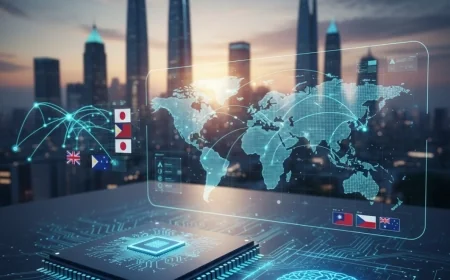
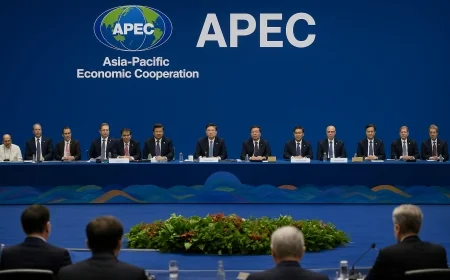
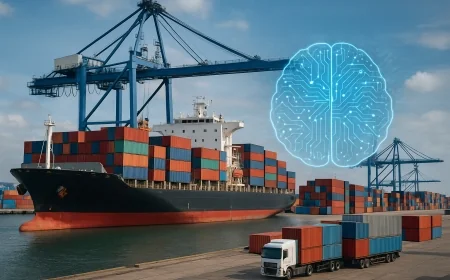
GYEONGJU, South Korea, November 1 – Taiwan’s representative to the APEC summit, Lin Hsin-i, said on Saturday that he met with U.S. Treasury Secretary Scott Bessent on the sidelines of the forum to discuss cooperation on semiconductors, technology, and secure supply chains — key issues amid ongoing global competition in advanced manufacturing.
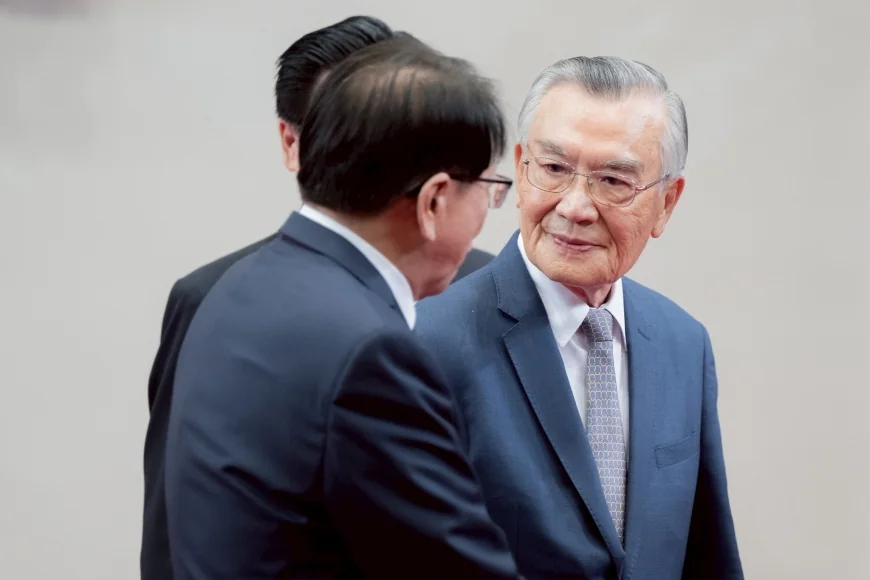
Lin, a former economy minister, told reporters that the 40-minute meeting focused on strengthening safe and resilient supply chains and deepening technological collaboration. He said Bessent was particularly interested in learning about how Taiwan developed its world-leading semiconductor industry, including the evolution of its high-tech cluster.
“He was intrigued to hear how we built up our semiconductor ecosystem — its development and the history behind it,” Lin said, describing the talks as “wide-ranging and constructive.”
The U.S. Treasury Department has not yet commented on the meeting.
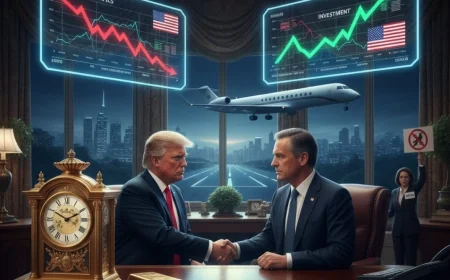
Currently, Taiwan’s exports to the United States, excluding semiconductors, face a 20% tariff, and Taipei is in talks with Washington to have the rate reduced. The meeting signals a possible step forward in U.S.-Taiwan economic coordination amid shared concerns over supply chain dependencies on China.
While the United States has no formal diplomatic relations with Taiwan, it remains the island’s most important security and trade partner. The two economies are also deeply intertwined through the semiconductor sector, as Taiwan’s TSMC remains the world’s largest chip manufacturer.
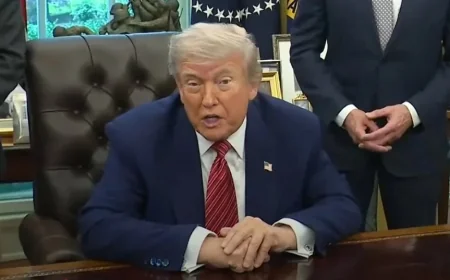
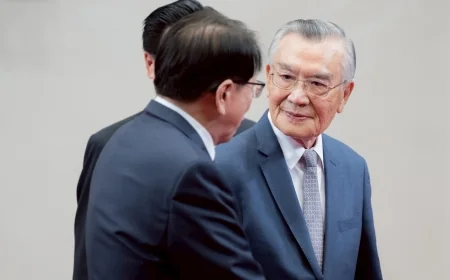
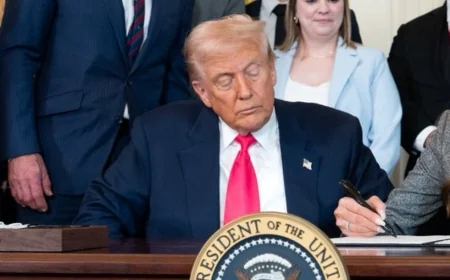
President Donald Trump left South Korea after meeting Chinese President Xi Jinping, leaving Bessent to lead the U.S. delegation at APEC. Japan’s Prime Minister Sanae Takaichi was also seen greeting Lin during the summit, as shown in a photo posted on X.
APEC is one of the few international platforms where Taiwan participates, officially under the name “Chinese Taipei” to avoid conflict with Beijing, which claims the island as its own territory. Lin did not say whether he interacted with Xi, though Taiwan’s Central News Agency reported that the two did not exchange words at the group photo session.
At last year’s APEC summit in Peru, Lin greeted Xi with a wave and met then-U.S. President Joe Biden, underscoring Taiwan’s careful diplomacy within the forum.
Next year’s APEC meeting will be hosted by China in Shenzhen, a hub for robotics, electric vehicles, and tech innovation. Taiwan’s officials said they expect Beijing to uphold its commitments to ensure the safety and smooth participation of all delegates.
China’s government, which refuses to engage with Taiwan’s President Lai Ching-te, continues to exert military pressure around the island through war games and air incursions, actions Taipei says violate regional stability. Taiwan’s government maintains that only its people have the right to determine their own future.