




























































































































OpenAI invests in Red Queen Bio to combat AI-powered bioweapon creation
OpenAI led a $15 million seed round investment in Red Queen Bio, a startup focused on blocking bad actors from using artificial intelligence to create biological weapons. The investment is part of OpenAI's broader strategy to enhance the ecosystem's resilience against the growing biorisks posed by advanced AI models.

SAN FRANCISCO, November 13 — ChatGPT maker OpenAI announced on Thursday that it will invest in a startup focused on blocking bad actors from creating biological weapons powered by artificial intelligence.
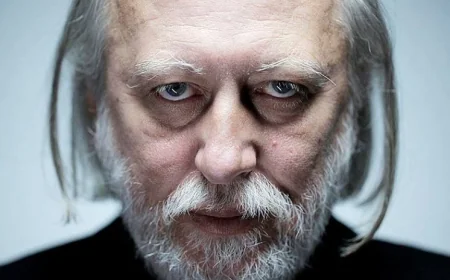
OpenAI is the lead investor in a $15 million seed round for Red Queen Bio, a company dedicated to ensuring that the AI industry's defenses grow at least as rapidly as the capabilities sought by those who want to exploit models to harm humans, according to the startup's co-founder, Hannu Rajaniemi.
This investment is part of OpenAI's broader effort to back startups aimed at containing the risks posed by AI. Last month, the company supported Valthos, a biosecurity software startup. Jason Kwon, OpenAI Chief Strategy Officer, confirmed that the company would continue to invest in similar startups.
"We want to increase the overall resilience of the overall ecosystem," Kwon said. "One of the best ways you can deal with the risk mitigation is more technology.”
Researchers and safety advocates have expressed concern that while AI technology can accelerate drug development or design new vaccines, these same powerful capabilities could make it easier for bad actors to develop new and dangerous biological weapons.
Red Queen Bio was spun out of Helix Nano, a clinical-stage mRNA therapeutics company that utilizes AI in drug design and has previously worked with OpenAI to create tests to determine AI's biorisks.
Red Queen Bio will rely on AI models as well as more traditional laboratory experiments to uncover new risks and develop new defenses. Rajaniemi stated: "It was clear that the biological capabilities were advancing faster than we anticipated. We felt we needed to start developing defenses."