





























































































AI Could Boost Global Trade by Nearly 40% by 2040, WTO Warns on Need to Bridge Gaps
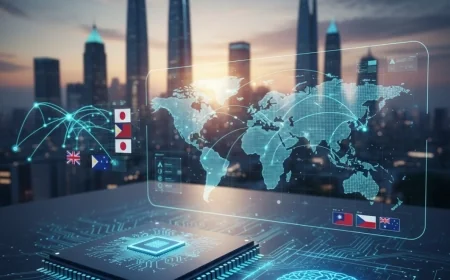
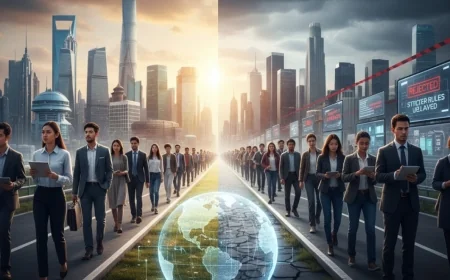
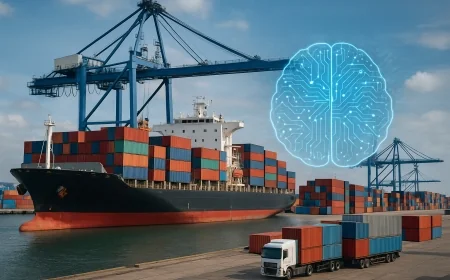
Artificial intelligence (AI) has the potential to transform global trade, raising the value of cross-border flows of goods and services by up to 40% by 2040, according to the World Trade Report 2025. The World Trade Organization (WTO) emphasizes that realizing this potential requires targeted policies to bridge the digital divide, invest in workforce skills, and maintain open and predictable trade rules.
Trade and GDP Gains from AI
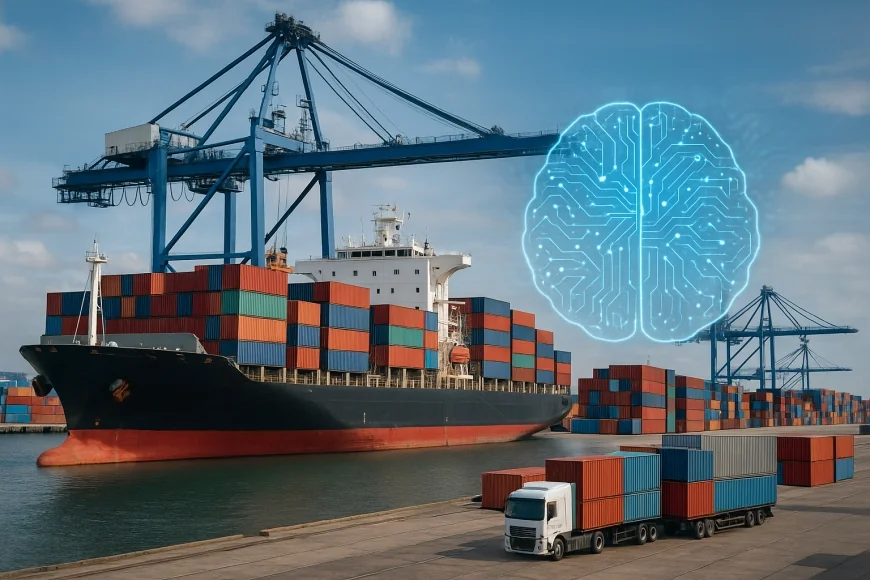
The report projects that, under favorable policy conditions, global trade could rise 34–37% by 2040, while global GDP could increase by 12–13%. These gains are contingent on reducing digital infrastructure gaps between high-, middle-, and low-income economies. Trade in AI-enabling goods—including raw materials, semiconductors, and intermediate inputs—already accounted for USD 2.3 trillion in 2023, highlighting trade’s role as a catalyst for AI-driven growth.
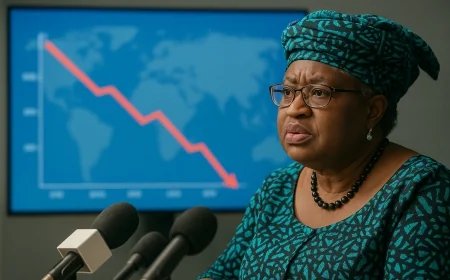
WTO Director-General Ngozi Okonjo-Iweala highlighted the uneven access to AI technologies: “AI has vast potential to lower trade costs and boost productivity. However, access to AI technologies and the capacity to participate in digital trade remains highly uneven.” She added that trade, investment, and complementary policies could help ensure that AI benefits all economies.
In scenarios where low- and middle-income economies halve their digital infrastructure gap with high-income nations and adopt AI more broadly, incomes in these countries could rise by 15% and 14%, respectively, by 2040.
Policy Challenges and Trade Restrictions
The report cautions that policy and regulatory barriers could hinder the inclusive potential of AI. Quantitative restrictions on AI-related goods have increased from 130 in 2012 to nearly 500 in 2024, with bound tariffs in some low-income economies reaching 45%. Ensuring open and predictable trade policies, along with investments in education, training, and labor-market measures, is critical to preventing widening inequalities.
The WTO’s Role in Inclusive AI Trade
The WTO provides a platform for members to address AI-related trade measures. Since the adoption of its Work Programme on E-Commerce, 80 specific trade concerns have been raised regarding AI. Broader participation in the Information Technology Agreement and updated commitments under the General Agreement on Trade in Services could enhance access to AI technologies and make them more affordable.
The World Trade Report 2025 was launched on 17 September at the WTO Public Forum. DG Okonjo-Iweala noted that while the global trading system faces unprecedented disruptions, AI represents a “bright spot” for growth. She emphasized that lessons from past underinvestment in education and social safety nets must inform AI strategies to ensure equitable benefits.
Deputy Director-General Johanna Hill and Marc Bacchetta, chief of the WTO’s quantitative economic research unit, presented the report’s findings, followed by a panel discussion exploring policy implications.
The World Trade Report 2025 can be downloaded from the WTO website. An executive summary of the report is available here.
Printed copies are available through the WTO Online Bookshop.
The report is being launched at the 2025 WTO Public Forum.