

































































Ensuring Education Continuity for Children in Humanitarian Crises
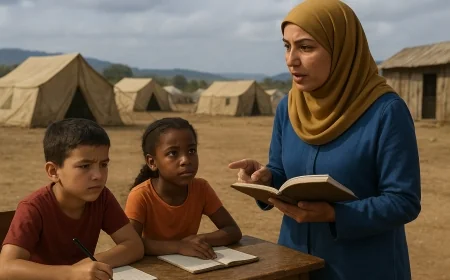
Education is a fundamental right that must not be interrupted, even during humanitarian emergencies. Recognizing this, a new global initiative—supported by the European Commission’s Directorate-General for Civil Protection and Humanitarian Aid Operations (DG ECHO)—is working to ensure that children affected by crises continue to have access to safe, inclusive, and quality learning opportunities.
The initiative brings together a powerful consortium of partners, including NORCAP, REACH, Save the Children, Translators without Borders, UNESCO’s International Institute for Educational Planning (IIEP), and UNICEF. Together, they aim to strengthen the inclusion of education within Rapid Response Mechanisms (RRMs)—the systems that deliver immediate assistance during humanitarian crises.
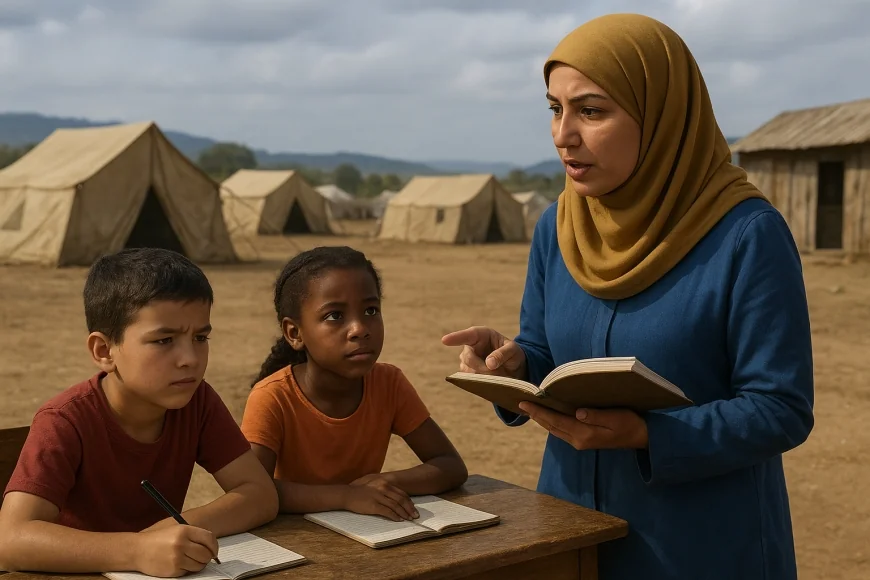
By integrating education into RRMs, the project seeks to reduce disruptions to children’s learning when emergencies strike, ensuring that schooling continues alongside the provision of food, water, and shelter. The partners will focus on building evidence, developing practical tools, and enhancing the capacity of key humanitarian and education actors, including national Ministries of Education, to prioritize learning in emergency response plans.
This collaborative effort underscores a simple yet vital message: even in the most difficult circumstances, education remains a lifeline for children—offering hope, protection, and the skills they need to rebuild their futures.
Read the press release to learn more about the project, and achievements to date.