

























































































































China launches K-visa to attract global tech professionals
China has introduced the new K-visa program to attract global science and technology professionals, positioning it as a flexible alternative to the tightening U.S. H-1B visa. The strategic move supports Beijing's push for high-tech leadership in AI and semiconductors, drawing interest from skilled workers across Asia. However, challenges like language barriers and domestic job competition remain key concerns for potential applicants.

China has launched a new K-visa program aimed at attracting global science and technology professionals. This initiative is being widely viewed as a strategic response to the United States’ H-1B visa system, particularly as U.S. immigration norms become stricter. The new scheme, introduced last month, has already begun drawing attention from skilled workers, including many from India.
For professionals like Vaishnavi Srinivasagopalan, an Indian IT specialist, China is now a viable alternative. She notes that the K-visa's flexible terms, specifically the ability to apply without having a confirmed job offer, make it an appealing option for those exploring global opportunities.
Part of China's High-Tech Ambition
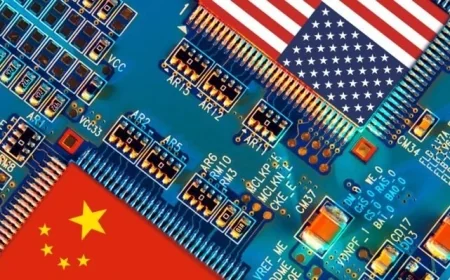
The K-visa is designed to supplement China’s existing talent visas, such as the R-visa, but features fewer entry barriers. This move is fully aligned with Beijing’s broader objective to compete with the U.S. in high-tech innovation, focusing on critical sectors like artificial intelligence, semiconductors, and robotics.
Experts suggest that China is leveraging the current uncertainty surrounding the H-1B system in the U.S., including increased fees and stricter eligibility checks, to position itself as a more welcoming destination for foreign talent.
Domestic Concerns and Global Interest
The push for foreign talent arrives at a challenging time for China’s domestic labor market, where youth unemployment remains high. Some young professionals in China fear that the influx of foreign workers could intensify job competition. However, analysts assert that China faces a genuine shortage of highly skilled researchers, engineers, and tech specialists, which the new K-visa aims to address directly.
Immigration consultants have reported mounting interest from countries across Asia, including India and Southeast Asia—regions that have historically supplied significant talent to Silicon Valley. China has already seen some high-profile returns of scientists and engineers who had previously worked for U.S. companies, now taking up academic and research roles back home.
Remaining Challenges
Despite the broader invitation, significant challenges persist. Many international professionals remain cautious due to practical difficulties such as language barriers, internet censorship, and limited long-term residency pathways. Geopolitical tensions, notably the strained relations between India and China, also influence career decisions for some.
Analysts agree that while the U.S. may be tightening its visa rules, it still maintains a crucial competitive edge due to its established research ecosystems, expansive global corporate presence, and the convenience of English as a primary working language. Therefore, while China is expanding its invitation, experts conclude that the country will need to do more than simply offer easier visas to truly rival destinations like the U.S., U.K., or E.U.