

















































































































1 in 6 People Worldwide Affected by Loneliness, WHO Warns of Global Health Crisis
A groundbreaking World Health Organization (WHO) report has revealed that one in six people globally suffers from loneliness, a condition now recognized as a major threat to public health and well-being. The findings, released by the WHO Commission on Social Connection, estimate that loneliness contributes to more than 871,000 deaths each year—about 100 deaths every hour.

“Loneliness and isolation have become defining challenges of our time,” said Dr. Vivek Murthy, Co-chair of the Commission and former U.S. Surgeon General. “Building more connected lives can dramatically improve health, education, and economic outcomes.”
A silent epidemic
WHO defines social connection as the ways people relate to and interact with others, while loneliness refers to the painful feeling caused by a gap between desired and actual social relationships. Social isolation describes the objective lack of such connections.
According to the report, loneliness affects people of all ages and backgrounds, but is especially common among young people and those in low- and middle-income countries (LMICs). Between 17% and 21% of youth aged 13–29 report feeling lonely, with the highest rates among teenagers. In low-income countries, 24% of people feel lonely, compared to 11% in high-income nations.
“Even in a digitally connected world, many young people feel deeply alone,” said Chido Mpemba, Co-chair of the Commission and Advisor to the African Union Chairperson. “Social connection must be built into all policies—from health to education to digital access.”
Health, social, and economic toll
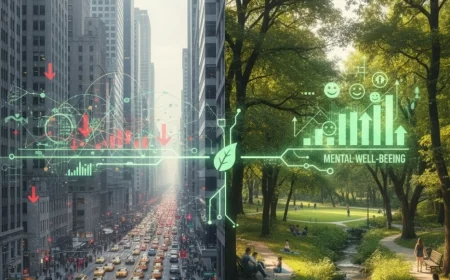
Loneliness and isolation are not just emotional experiences—they have serious physical and mental health consequences. Studies show that loneliness increases the risk of heart disease, stroke, diabetes, depression, cognitive decline, and premature death. People who experience loneliness are twice as likely to develop depression, while communities with weak social ties face higher rates of crime, illness, and economic loss.
On the other hand, strong social connections can boost mental resilience, lower inflammation, extend lifespan, and improve productivity. Among youth, loneliness correlates with poorer educational outcomes: teenagers who report loneliness are 22% more likely to receive lower grades. For adults, social isolation can lead to unemployment and reduced lifetime earnings.
Barriers and vulnerable groups
The report notes that certain populations—including people with disabilities, refugees, migrants, LGBTQ+ individuals, and ethnic minorities—face systemic barriers to social connection due to stigma, discrimination, or lack of access to community spaces. Contributing factors such as poverty, poor health, inadequate infrastructure, and excessive screen time also deepen isolation.
A roadmap for global action
The WHO Commission outlines a five-point action plan to combat loneliness and social isolation:
-
Integrate social connection into national policy frameworks;
-
Invest in research and data collection, including a new Global Social Connection Index;
-
Scale evidence-based interventions to build inclusive communities;
-
Enhance social infrastructure such as parks, libraries, and community centers; and
-
Foster public engagement to change cultural attitudes about loneliness.
The report’s release follows the first-ever World Health Assembly resolution on social connection, adopted in May 2025, urging member states to implement evidence-based strategies. WHO has also launched the “Knot Alone” campaign to promote awareness and practical steps for strengthening social ties.
“Left unaddressed, loneliness will continue to cost society billions,” said Dr. Tedros Adhanom Ghebreyesus, WHO Director-General. “But by reconnecting communities, we can save lives, strengthen societies, and build a healthier world for all.”
As part of its broader efforts, WHO has also launched the Social Connection Series to explore the lived experience of loneliness and social isolation. Learn more about the series here.