





















































































US tariffs devastate India’s frozen shrimp industry and livelihood of millions
India's frozen shrimp industry, previously reliant on the United States as its largest export market, is facing devastation following the imposition of a 50% US tariff in August. The punitive duty, implemented due to India's purchases of Russian oil, has severely impacted operations in Andhra Pradesh, the country's primary shrimp producing state. Workers and small-scale farmers are facing drastic wage cuts and crop losses, jeopardizing over one million jobs and prompting desperate pleas for a swift resolution through renewed US-India trade talks.
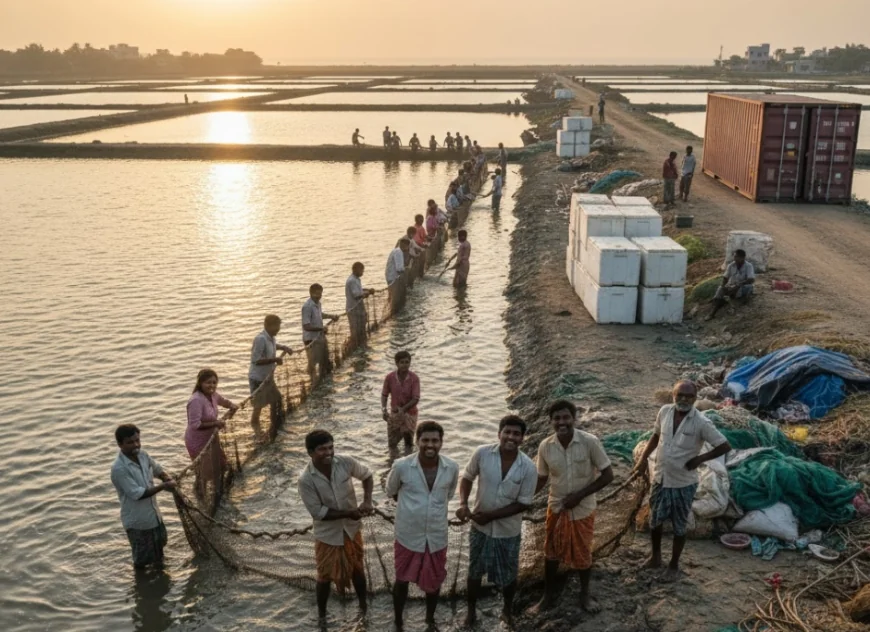
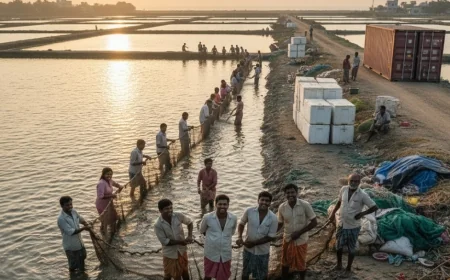
India's massive frozen shrimp industry is reeling from the effects of a 50% tariff imposed by the United States in August. The tariffs, which reversed decades of reliable trade, have severely damaged operations across India, especially in the southeastern coastal state of Andhra Pradesh, where between 75% and 85% of India's shrimp is produced.
Prior to the tariffs, the US was India's largest client for shrimp exports, accounting for slightly more than 40% of the market and totaling over $2.5 billion in sales during the 2023-24 fiscal year.
Economic Pain on the Ground
For daily workers who rely on shrimp harvesting, the tariffs have translated into desperate conditions. Bhaskar Kokkiligadda, a daily laborer near Pedapatnam, said his monthly workdays have been cut from 20 to only 10. Workers are reportedly volunteering for wage cuts or showing up for jobs even when they are not needed, hoping to earn a few extra rupees.
The industry supports over one million jobs across farms, processing plants, and export companies. The financial pain is intense for farmers like Edukal Basani, who owns a tiny plot of land. Basani harvested 200 kilograms of shrimp recently but could not find a buyer due to the hefty US tariff.
"It got wasted," Basani said, describing the depressing necessity of having to dispose of his product. Despite the state government offering an electricity subsidy to offset the tariff's sting, Basani is struggling to meet loan repayments and power bills. He was forced to pull his son out of college to help on the farm because he could no longer afford the tuition.
Praveen Sabbineni, who operates three farms, reported that the price he receives for his shrimp is down nearly 40%. This drastic fall is forcing many farmers to consider abandoning shrimp farming altogether, although some are attempting to develop other export markets, a process that takes months.
Tariffs and Geopolitical Fallout
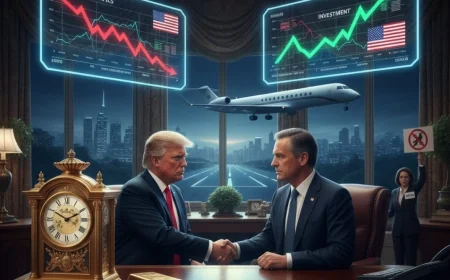
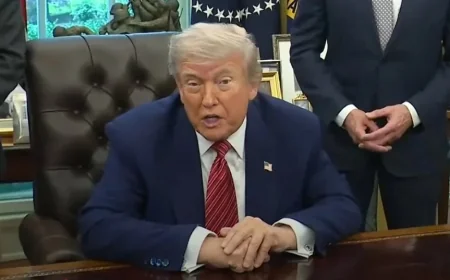
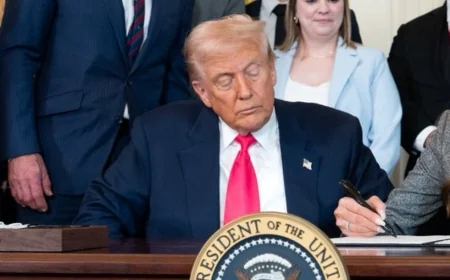
The initial tariff was set at 25% but was later doubled to 50% by President Donald Trump as punishment for India's purchases of Russian crude oil. This sudden tariff increase has given a competitive edge to Ecuador, India's main international rival for shrimp exports, which currently faces a much lower 15% tariff.
The pain extends deeply into the processing sector, where the work is often the most reliable option for women. Hundreds of women spend hours peeling and deveining shrimp at more than 300 processing plants. For many, like Lalitha Rajeshwari, who earns between $6 and $9 a day, the wages are essential for supporting their households. Young mothers working at the plants fear that if their unit shuts down, they will have no other means of survival.
Indian officials are now anxious to secure a trade deal with the US to alleviate the tariffs. However, several key sticking points remain, as President Trump has criticized India's "obnoxious" protectionist trade barriers. New Delhi remains firm on its position, refusing to open up its agriculture or dairy sectors in negotiations. Trade talks recently restarted after a brief pause in late August.