



































































































IOM calls for stronger global support and enhanced migration cooperation in Djibouti
Geneva/Djibouti, 5 November 2025 – During a recent visit to Djibouti, the International Organization for Migration (IOM) Deputy Director General for Operations, Ugochi Daniels, urged the international community to increase investment in comprehensive migration management that links humanitarian response with long-term development.
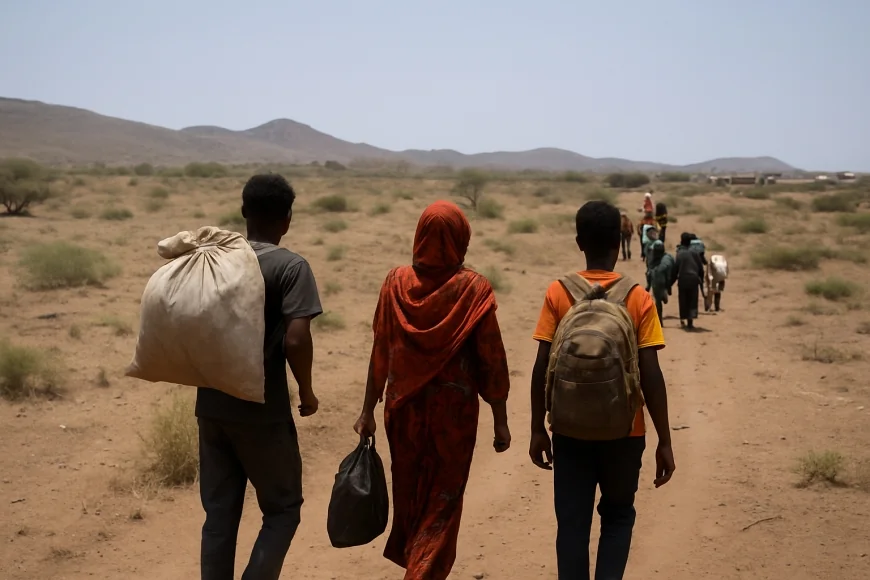
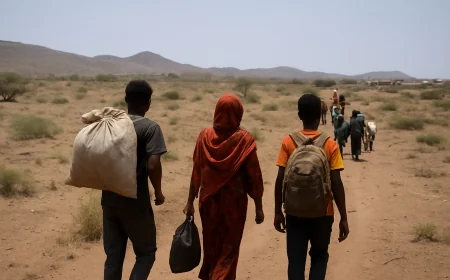
Strategically located at the crossroads of the Horn of Africa, Djibouti plays a vital role in regional stability and mobility. During her visit, DDG Daniels witnessed firsthand the difficult journey migrants undertake along the Eastern Route, including at the border, and the commitment of the Government of Djibouti to assist both migrants and host communities, despite resource constraints.
Each year, migration flows equivalent to more than one-third of the country’s population cross its territory along the Eastern Route, one of the busiest and deadliest migration corridors in the world.
“Djibouti stands at the crossroads of migration, a country of origin, transit, and destination for thousands making perilous journeys,” said DDG Daniels. “The scale and complexity of these movements are immense. This welcoming country of just one million people is dealing with flows that have increased by 56 per cent between 2023 and 2024. This is a moment for the international community to come together in solidarity, investing in joint solutions that strengthen resilience, expand opportunity, and support Djibouti’s leadership in managing these flows.”
While the country continues to face challenges of irregular migration, including tragic loss of life in the harsh desert terrain, it also demonstrates how people-centred action and innovation can turn mobility into a source of resilience and growth.
During the visit, the Deputy Director General met with H.E. Abdoulkader Kamil Mohamed, Prime Minister of the Republic of Djibouti, as well as senior government officials, local communities, and IOM teams advancing programmes that bridge humanitarian action and sustainable development.
In Douda, women are leading climate-resilient agriculture projects that help reduce the pressures driving displacement while improving food security and livelihoods. In Ali Sabieh, a pioneering waste management initiative is turning environmental challenges into opportunities for decent work and community well-being.
At Lake Assal and Galileh, IOM’s Displacement Tracking Matrix teams continue to collect critical, real-time data on population movements to ensure humanitarian responses remain timely and targeted. Mobile teams are also on the ground every day, delivering essential services to migrants, often in scorching heat.
At the national level, IOM and the Government of Djibouti are working together to promote regular migration pathways, including labour mobility initiatives with Canada, and to enhance diaspora engagement so that Djiboutians abroad can contribute to development efforts at home. During DDG’s visit, IOM Djibouti signed its first agreement with the World Bank, building on the initiative to expand labour mobility opportunities for young people and strengthen their prospects for skills development and employment.
Seven years after the adoption of the Global Compact for Safe, Orderly and Regular Migration (GCM), IOM reiterated its call for sustained international cooperation to protect lives, strengthen resilience, and ensure migration benefits both migrants and host communities.