





































































































































Top 10 foods that help combat fatty liver disease
Fatty liver disease (steatosis) involves excess fat accumulation in the liver, driven by obesity, unhealthy lifestyle, or alcohol abuse. While medication and exercise are vital, certain foods can significantly reduce liver fat and improve function. A gastroenterologist reveals 10 crucial foods—including coffee, nuts, and olive oil—that support liver recovery and protection.
Fatty liver disease (hepatic steatosis) is a serious condition where an excess of fat builds up in the liver. This condition can be caused either by obesity or an unhealthy lifestyle (Non-Alcoholic Fatty Liver Disease - NAFLD) or by alcohol abuse (Alcoholic Fatty Liver Disease).
If left untreated, the condition can trigger inflammation and eventually cause scar tissue (fibrosis). Beyond diet, exercise, and medication, selecting the right foods is crucial for healing and protecting the liver. Certain foods can actively reduce fat in the liver and improve its function.
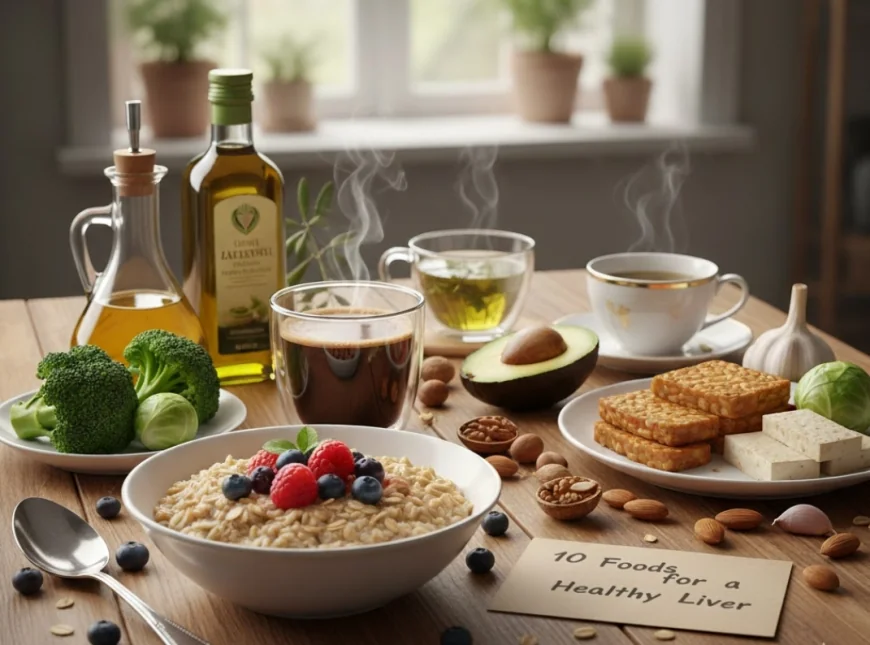
A gastroenterologist highlights 10 foods that can specifically help combat fatty liver disease:
The 10 Liver-Supporting Foods
-
Nuts Nuts are among the best foods for combating fatty liver disease. They are rich in a blend of omega-3 and omega-6 fatty acids, plus a consistent dose of antioxidants. Research indicates that regular nut consumption can reduce fat accumulation in the liver and calm inflammatory processes. They also improve metabolism and are loaded with protein.
-
Extra Virgin Olive Oil Loaded with healthy fats and antioxidants, extra virgin olive oil has been linked to a reduction in liver fat, the calming of inflammation, and an increase in insulin sensitivity. Growing research points to olive oil’s ability to protect the liver against damage.
-
Tempeh & Tofu Both tofu and tempeh, made from soybeans, serve as top plant-based protein options. Research suggests that soy proteins can prevent fat buildup in the liver and positively direct enzymatic activity. They are nutrient-dense and healthy alternatives to meat.
-
Garlic Garlic is excellent for the liver. Each clove is packed with phytochemicals that can reduce excess liver fat, strengthen detoxification pathways, and keep inflammation in check. Increased consumption of garlic is linked to lower liver enzyme readings and a reduction in liver fat.
-
Coffee Coffee stands out as a key beverage for those struggling with fatty liver disease. Research indicates it can reduce liver enzyme levels and slow the progression of liver damage. The drink is full of compounds that act as a shield against inflammation and fibrosis (scarring). To maximize benefits, stick to plain, black coffee without added sugar or cream.
-
Oats Oats are packed with beta-glucan, a soluble fiber that subtly lowers cholesterol while strengthening gut and liver health. Consistent inclusion of oatmeal or whole oat grains can reduce fat and regulate insulin sensitivity. Oats also promote satiety, which can support the weight loss necessary to reduce liver fat.
-
Green Tea Packed with catechins—antioxidant compounds—green tea can improve the liver enzyme profile while reducing stress. Regular consumption could reduce the proportion of fat in the liver for those dealing with NAFLD. Unsweetened green tea also aids in weight management and calms inflammation.
-
Cruciferous Vegetables Broccoli, cabbage, and Brussels sprouts belong to this family. They contain a solid dose of fiber, vitamins, and sulforaphane—a compound that helps repair and protect the liver. Studies show these vegetables can reduce fat accumulation in liver cells and enhance the organ's natural detoxification pathways.
-
Avocado Avocado is full of healthy fats, fiber, and a package of antioxidants. These components work together to calm inflammation and help the liver process fats efficiently. Avocado also provides a boost to glutathione, an antioxidant, aiding the organ in detoxification and cell repair.
-
Berries Blueberries, strawberries, and raspberries are highly beneficial for the liver. They contain a wealth of polyphenolic antioxidants that can reduce stress and calm inflammation in the liver. Extracts from these berries have been shown to reduce liver fat deposits and diminish the damage caused by the disease.