









































































































Sustainable Interiors Take Center Stage: The Future of Eco-Friendly Luxury in 2025
The way we design our homes has always mirrored the values of society, and in 2025, sustainability is no longer a mere trend — it has become the foundation of modern interiors. Today’s conscious consumers demand spaces that are not only visually striking but also responsibly built. Eco-friendly design now represents the new luxury, blending aesthetics, innovation, and environmental accountability.
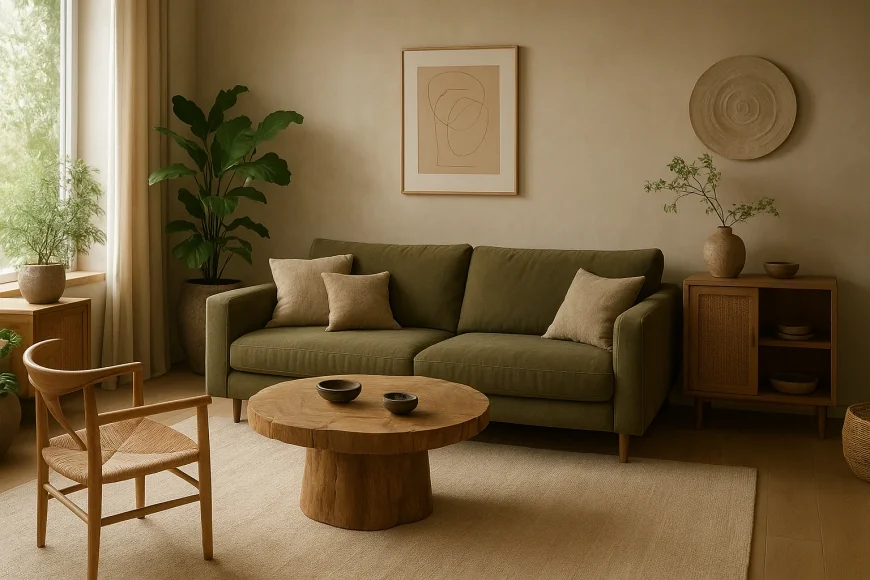
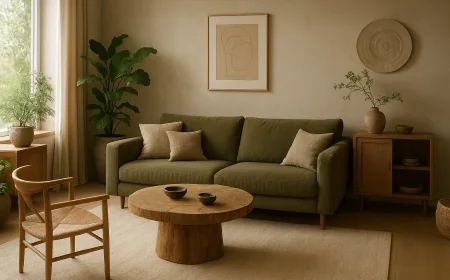
There’s a certain comfort in interiors that evoke nature and heritage — a reminder of childhood memories on a grandparent’s veranda, surrounded by natural textures and scents. Modern sustainable design taps into that sense of nostalgia, creating spaces that feel warm, personal, and connected.
Here are the key trends shaping the future of sustainable home décor:
1. Carbon-Conscious Materials
Materials with certified carbon footprints and transparent life-cycle data are replacing generic “natural” labels. From reclaimed timber to FSC-certified plywood and low-carbon concrete, every choice is measured for its environmental impact.
2. Circular Furniture Design
Furniture built for repair, disassembly, and reuse is becoming standard. Modular sofas, detachable cabinetry, and surfaces designed for re-polishing extend product life and reduce waste, transforming ownership into a legacy.
3. Local Craft Economies
Sourcing from regional artisans supports local economies while lowering emissions. Traditional craft techniques also bring authenticity and cultural richness to modern interiors.
4. Regenerative Textiles
Textiles are evolving from organic to regenerative, grown in soil-restoring conditions or processed with closed-loop dyeing. These fabrics enhance both home wellness and ecosystem health.
5. Luxury in the Second Life
Curated vintage and upcycled décor is redefining luxury. Pre-owned teak, reclaimed marble, or industrial-inspired lighting pieces are now celebrated for their storytelling and character.
6. Passive Design in Interiors
Energy efficiency goes beyond materials. Thermal curtains, zoned ventilation, reflective surfaces, and strategic shading reduce reliance on artificial heating and cooling while improving comfort.
7. Full Toxin Transparency
Homeowners now demand complete chemical disclosure for paints, adhesives, and laminates. Low-VOC is just the start; wellness-focused interiors require total transparency.
8. Biophilic Systems Beyond Greenery
Plants are evolving into living walls, moss ceilings, and microbial air-purifying systems, enhancing air quality and merging design with environmental engineering.
9. Tech-Light Smart Homes
Discreet smart systems optimize energy use without disrupting aesthetics. Adaptive lighting, occupancy-based HVAC, and subtle monitoring prove technology can be both sustainable and design-led.
10. Water-Conscious Interiors
Low-flow fixtures, greywater recycling, and sculptural taps make water-saving both functional and decorative, especially crucial in water-stressed urban areas.
11. Longevity as Luxury
Timeless, durable design is replacing fast décor. Neutral palettes, modularity, and enduring finishes ensure interiors age gracefully, reducing the need for frequent renovations.
12. Community Sharing Models
Neighbourhood initiatives like furniture libraries, tool-sharing, and swap programs expand sustainable living beyond individual homes, embedding it into communities.
13. Carbon-Positive Commitments
Leading studios are aiming to offset more carbon than they emit, through regenerative planting, innovative materials, and strategic partnerships, pushing sustainability beyond neutrality.
In 2025, homeowners are seeking more than beautiful spaces — they want homes that support both the planet and personal well-being. Eco-conscious design is no longer optional; it is an essential aspect of modern luxury, shaping the way we live, connect, and care for our environment.