




















































































US cuts tariffs on Swiss goods to 15 per cent after intense lobbying
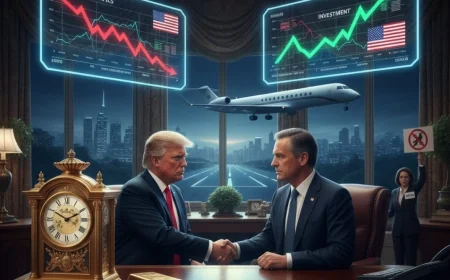
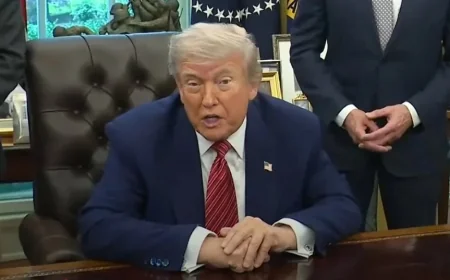
Donald Trump agreed to cut US tariffs on Switzerland from an initial rate of 39% to 15% as part of a new trade pact, lowering duties that had strained economic ties and severely impacted Swiss exporters.
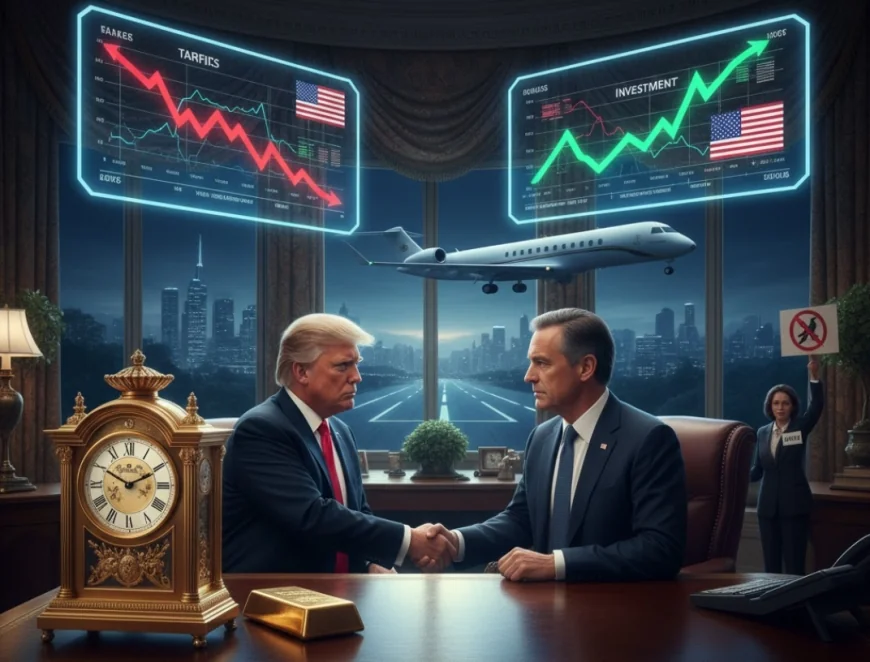
The two countries signed a "non-binding memorandum of understanding," the Swiss government announced, following intense lobbying by Swiss firms and bilateral talks in Washington. The agreement brings US tariffs on Switzerland in line with those imposed on the European Union, offering Swiss exporters the same treatment as neighboring rivals.
In response to the tariff reduction, Switzerland has agreed to:
-
Reduce its own tariffs "on a range of US products," including all industrial products, fish and seafood, and agricultural products deemed non-sensitive.
-
Grant a series of duty-free quotas for US goods, including 500 tonnes of beef, 1,000 tonnes of bison meat, and 1,500 tonnes of poultry.
US Trade Representative Jamieson Greer confirmed the breakthrough, claiming the deal would encourage Switzerland to send manufacturing—including pharmaceuticals, gold smelting, and railway equipment—to the US and secure billions in new investment. The Swiss government stated that companies in the country are planning to make direct investments in the US worth $200 billion by the end of 2028.
Controversy Over Corporate Access
The announcement immediately drew criticism, with opponents arguing the White House prioritized corporate interests over struggling American families facing high inflation.
Senator Elizabeth Warren (D-Massachusetts) seized on the deal as evidence that "it’s the billionaires and giant corporations cozying up to Trump that get relief." This criticism was fueled by the high-profile interactions between Trump and Swiss luxury executives.
-
Rolex CEO Jean-Frédéric Dufour disclosed that Rolex, the luxury Swiss watchmaker, had invited the president and his officials to the US Open tennis final in September.
-
Upon arrival, Trump reportedly "did ask in jest whether he would have been invited had it not been for the tariffs," a moment Dufour described as bringing "a round of laughter."
-
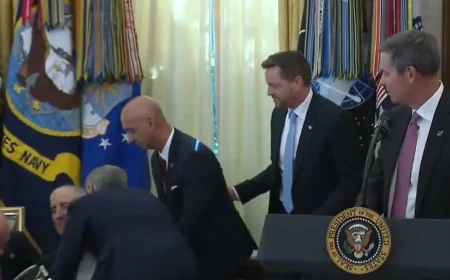
Trump was also gifted a golden table clock by Rolex (later seen in the Oval Office) and an engraved gold bar by another firm.
Despite the highly publicized hospitality, Dufour denied that Rolex had engaged in "any negotiation" with the US over tariffs. The White House dismissed Warren’s criticism as "asinine conspiracy theories."
The precise timing of the implementation of the new tariffs and quotas has yet to be finalized.