

























































































































Deposed Bangladeshi PM Sheikh Hasina sentenced to death in absentia for crimes against humanity
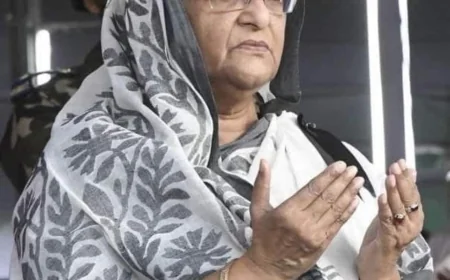
Bangladesh’s deposed prime minister Sheikh Hasina has been sentenced to death in absentia by the country’s International Crimes Tribunal (ICT) in Dhaka. The three-judge bench convicted her of crimes against humanity over a deadly crackdown on a student-led uprising in 2024 that led to the end of her 15-year rule.
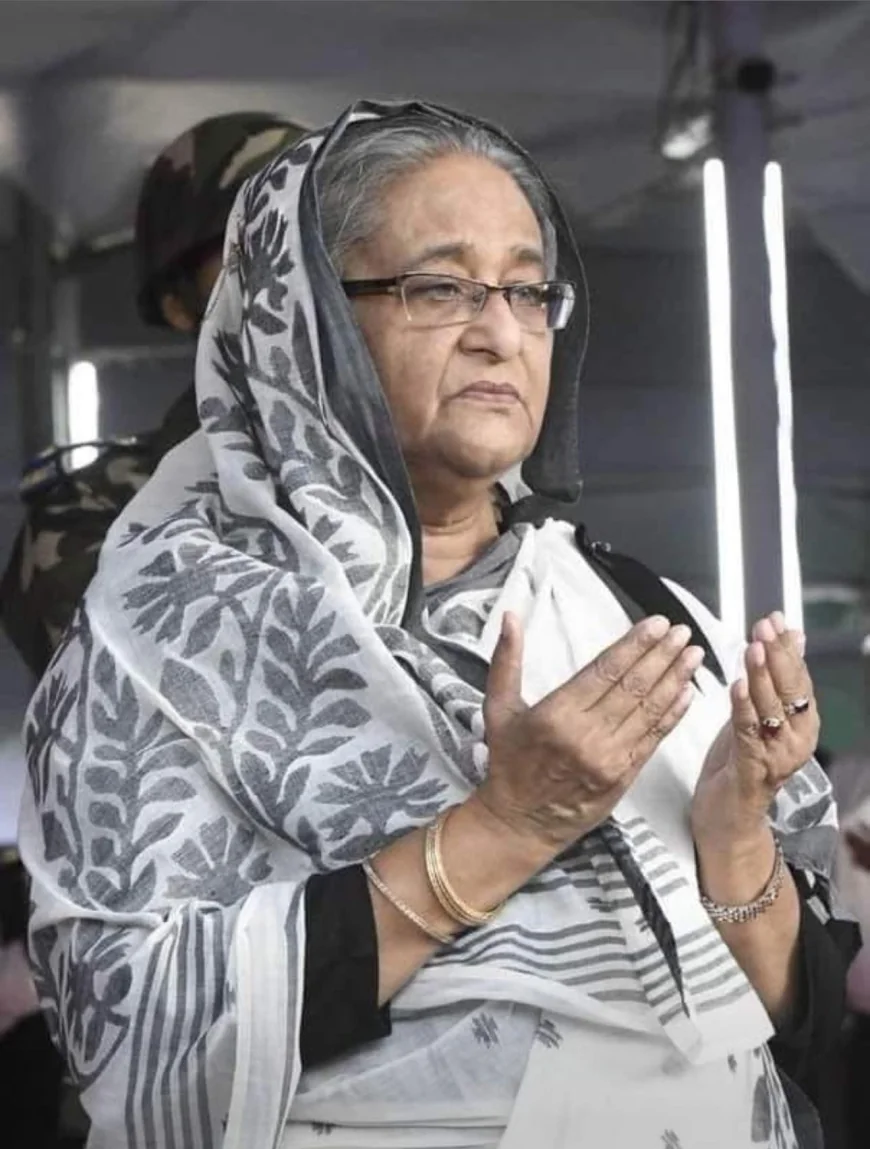
The tribunal's verdict, delivered on Monday, found Hasina guilty on multiple counts, including incitement, orders to kill, and inaction to prevent atrocities. Justice Golam Mortuza Mozumder, reading the verdict, specified that the former prime minister committed crimes against humanity through her order to use drones, helicopters, and lethal weapons against protesters.
Trial and Political Context
The months-long tribunal tried and sentenced Hasina in absentia, as she has been living in exile in neighboring India since she fled the country in August 2024. The Indian government has so far ignored requests for her extradition to face trial.
-
Co-accused: Former Home Minister Asaduzzaman Khan was also sentenced to death. A former police chief, Chowdhury Abdullah Al-Mamun, who pleaded guilty and became a state witness, was sentenced to five years in prison.
-
Defense Stance: Hasina pleaded not guilty to the charges and alleged the tribunal was a “politically motivated charade.” In an audio message before the verdict, she remained defiant, stating she would continue to serve her people.
-
Violence: The uprising, now referred to as the “July revolution,” began as a student movement but escalated into a nationwide revolt against Hasina's authoritarian rule, which was marred by allegations of corruption and human rights abuses. The UN human rights office estimates up to 1,400 people were killed during the crackdown.
-
Interim Government: The prosecution of Hasina was a core promise of the interim government, led by Nobel-laureate Mohammad Yunus, who took over three days after her ousting and subsequently banned Hasina's Awami League party.
Security was severely heightened across Dhaka ahead of the verdict, with police and paramilitary forces deployed and a “shoot-on-sight” order issued against anyone attempting to hurl crude bombs or set fires.