


































Trump revives ‘G2’ term with Xi meeting, sparking debate over U.S.-China power balance
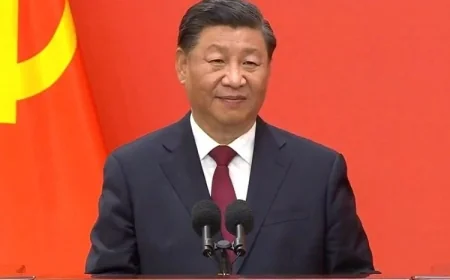
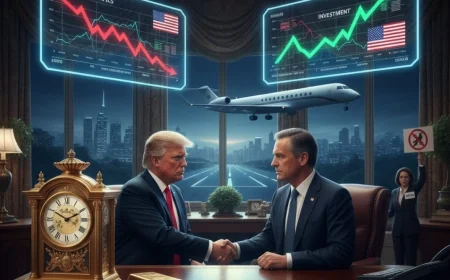
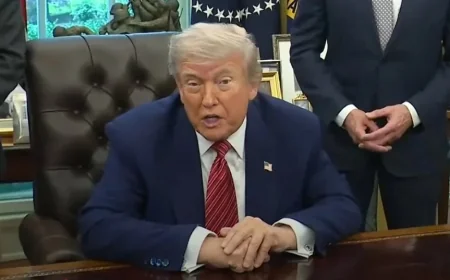
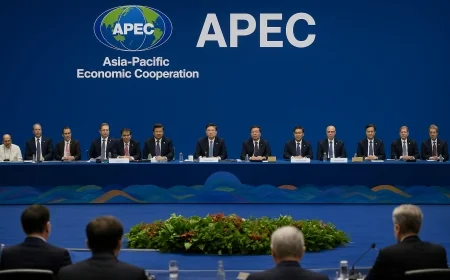
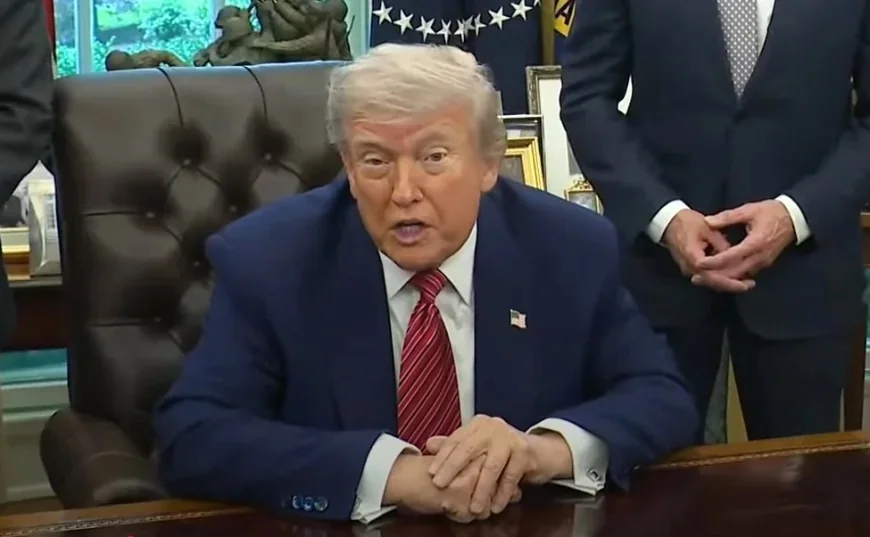
WASHINGTON — A brief social media post from President Donald Trump has reignited debate over the United States’ relationship with China and its role in global diplomacy. Just before his high-profile summit with Chinese leader Xi Jinping in South Korea on Oct. 30, Trump wrote on Truth Social: “The G2 WILL BE CONVENING SHORTLY!” — a phrase that, though short, carries deep diplomatic weight.
The “G2,” or Group of Two, was first proposed in 2005 by American economist C. Fred Bergsten to describe cooperation between the world’s two largest economies. While the concept suggests a balance of power between Washington and Beijing, it has long made U.S. allies uneasy, fearing it could sideline them in major global decisions.
“The G2 concept implies that China and the United States are peers on the global stage and their positions should be given equal weight,” said Neil Thomas of the Asia Society Policy Institute. “That idea has always caused anxiety among U.S. allies.”
Trump’s revival of the term comes as analysts continue to interpret his administration’s evolving approach toward China, which remains assertive in its regional ambitions and global influence.
After the meeting, Trump described the encounter as a success for both countries, writing, “This meeting will lead to everlasting peace and success. God bless both China and the USA!” Defense Secretary Pete Hegseth echoed the phrase “G2 meeting” in a subsequent post following his conversation with Chinese Defense Minister Dong Jun.
Former U.S. official Mira Rapp-Hooper warned that Trump’s use of the term could alarm allies who fear Washington might strike unilateral deals with Beijing. “Allies worry the U.S. could make arrangements with China that leave them disadvantaged,” she said.
For Beijing, however, the symbolism was welcomed. Chinese commentators quickly embraced Trump’s language. “Trump’s G2, to some extent, means the U.S. has accepted that it no longer holds a unipolar position,” wrote nationalist blogger Housha Yueguang. “It suggests Europe, Japan, and India are now secondary.”
Asked whether the two nations were moving toward a G2-style arrangement, Chinese Foreign Ministry spokesperson Guo Jiakun responded that both countries “can jointly shoulder our responsibilities as major countries,” emphasizing China’s commitment to “true multilateralism” and “an equal and orderly multipolar world.”
Zhao Minghao, a Chinese scholar on U.S.-China relations, downplayed the idea of co-rule. “The new G2 does not mean China and the U.S. co-ruling the world,” Zhao wrote. “It means recognizing the importance of bilateral communication and coordination.”
Washington, however, has historically rejected the G2 framework. While the term gained attention during the early Obama years, it was soon dismissed as it implied Washington and Beijing could shape global outcomes without consulting key partners. “It’s a term that plays very poorly in countries like Japan, Australia, and India,” said Rapp-Hooper.
Kurt Campbell, former deputy secretary of state and now chairman of The Asia Group, noted that the G2 label once caused “real anxieties” in Asia. “It wasn’t just about the U.S. and China making decisions,” he said. “It was how China used the concept to make its neighbors feel insecure.”
Despite its controversial past, Bergsten, who originally coined the idea, said Trump’s usage aligns with his original vision. “It does not mean dictating to the world,” he said. “It means the two major powers cooperating on global economic issues — just as I proposed 20 years ago.”
Whether Trump’s revived “G2” signals a new direction in U.S.-China relations remains to be seen, but for Washington’s allies — and Beijing’s critics — the implications are already resonating far beyond a single post.