









































































































Australia and Indonesia to sign new security and defence treaty
Australia and Indonesia are set to sign a "watershed" defence treaty in January, following approval from Prime Minister Anthony Albanese and President Prabowo Subianto. The new pact commits both nations to regular security consultations and the joint consideration of measures should their security be threatened. The agreement, which upgrades previous pacts, reflects shared strategic concerns over China's growing military presence in the region.
Australia and Indonesia have announced they are close to signing a "watershed" defence treaty designed to upgrade their already close collaboration on security issues.
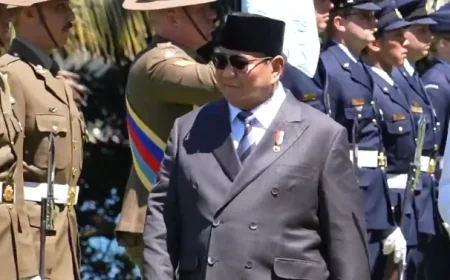
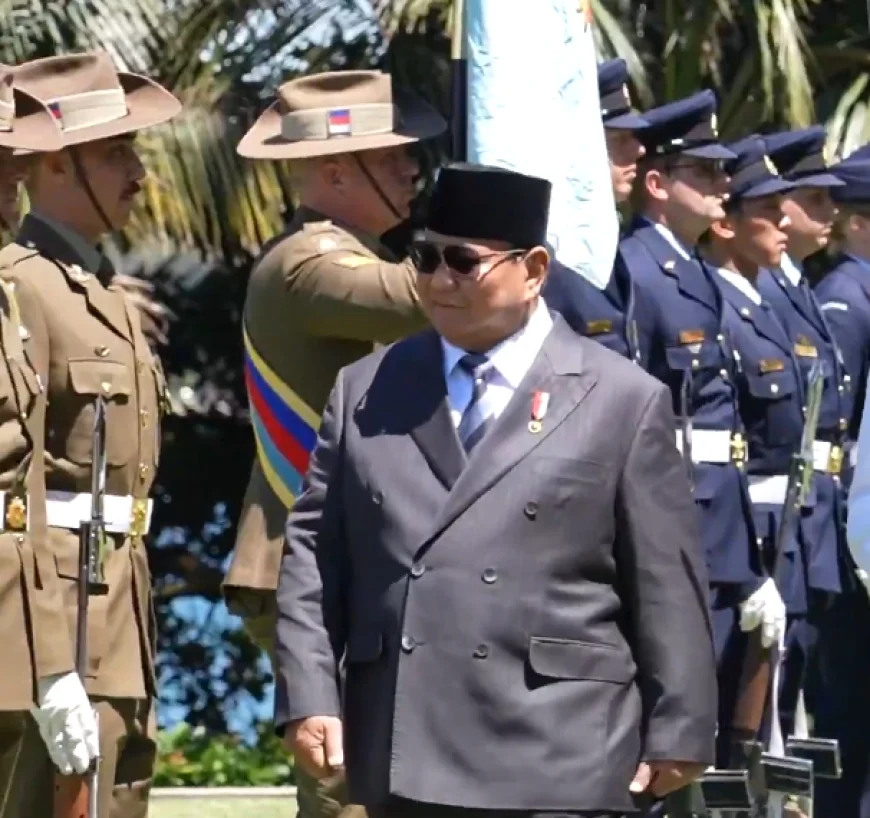
The treaty was approved on Wednesday by Australian Prime Minister Anthony Albanese and Indonesian President Prabowo Subianto, who is currently on his first state visit to Australia. While approved now, the pact between the two countries will not be officially signed until January.
The new agreement commits Australia and Indonesia to “consult at a leader and ministerial level, on a regular basis on matters of security,” Prime Minister Albanese stated. It will also facilitate “mutually beneficial security activities.”
Crucially, the treaty stipulates that “if either or both countries’ security is threatened, to consult and consider what measures may be taken, either individually or jointly, to deal with those threats,” Albanese added.
The Australian leader emphasized the significance of the deal, saying, “This treaty is a recognition from both our nations that the best way to secure that peace and stability is by acting together.” He called the deal a signal of "a new era in the Australia-Indonesia relationship" committed to close cooperation in defence and security.
President Prabowo highlighted the cultural alignment behind the pact, stating, "Good neighbours will help each other in times of difficulties. Within Indonesian culture, we have a saying when we face an emergency, it is our neighbour that will help us.”
Today I stood alongside my friend Indonesian President Prabowo Subianto on HMAS Canberra to make an historic announcement.
The governments of Australia and Indonesia have just substantively concluded negotiations on a new bilateral treaty on our common security.
Australia’s… pic.twitter.com/bI53L7tj8q — Anthony Albanese (@AlboMP) November 12, 2025
While the full text of the treaty has not been made public, Albanese confirmed to Australian broadcaster ABC News that it builds on a 1995 security agreement signed by former Australian Prime Minister Paul Keating and then-Indonesian President Soeharto. That earlier deal was eventually cancelled by Indonesia due to Australia's involvement in a United Nations peacekeeping mission to East Timor.
Since East Timor gained independence in 2002, relations have improved, leading to two major security pacts: the 2006 Lombok Treaty and the 2024 Defence Cooperation Agreement. The new treaty enhances these previous agreements by mandating consultations and joint action consideration in the face of security threats.
Both Australia and Indonesia share longstanding, though nuanced, concerns regarding the rise of China. While China is a vital economic partner, it is simultaneously viewed as a strategic competitor given its increasing military presence in the South China Sea and the wider Pacific region.
Former Prime Minister Keating recalled his earlier discussions with Soeharto, noting that even 30 years ago, both leaders were worried about Beijing. Keating stated that their 1995 arrangement was "essentially a mutual defence pact" because a major threat to one nation would necessarily impact the other. He added that Soeharto was particularly concerned about Indonesia’s capacity to protect its vast archipelago against a competent force.