





























































































Analysis finds 1,600 fossil fuel representatives at UN climate summit in Brazil, outnumbering almost every country delegation
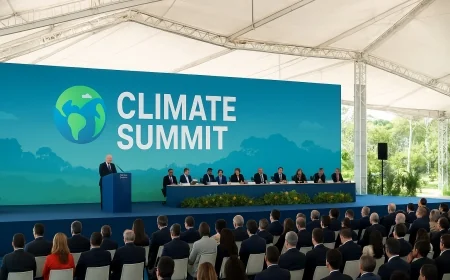
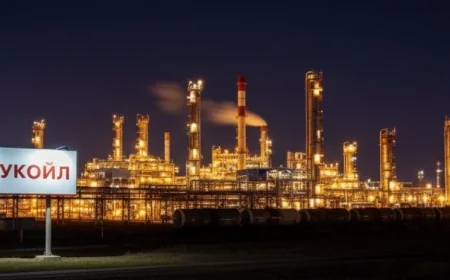
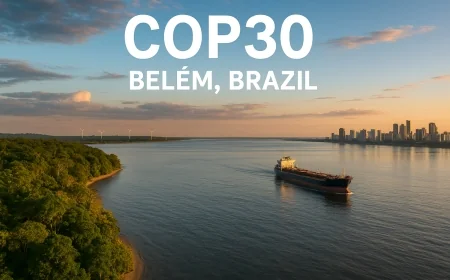
A recent analysis by the Kick Big Polluters Out (KBPO) coalition revealed that more than 1,600 fossil fuel lobbyists were granted access to the UN climate summit (COP30) in Belém, Brazil. This figure significantly outnumbers the delegation of almost every country attending the talks.

The presence of fossil fuel representatives accounts for one in every 25 attendees at COP30, marking the largest concentration of fossil fuel lobbyists at the Conference of the Parties (COP) since the coalition began tracking delegates in 2021. Only the host country, Brazil, brought a larger delegation (3,805 people).
Comparison to Vulnerable Nations
The KBPO analysis highlights the imbalance of influence at the summit by comparing the number of lobbyists to the delegates from nations most vulnerable to climate change:
-
Philippines: Fossil fuel lobbyists outnumbered official delegates from the Philippines by 50 to 1.
-
Jamaica: There were 40 times more fossil fuel lobbyists than attendees from Jamaica.
-
Top 10 Vulnerable Nations: Overall, fossil fuel lobbyists received two-thirds more passes for COP30 than all the delegates from the 10 most climate vulnerable nations combined.
Jax Bonbon from IBON International in the Philippines criticized this disparity, stating that the corporations driving the crisis are being given a platform to undermine efforts to address the climate emergency.
Sources of Fossil Fuel Influence
The KBPO coalition found that major trade associations remain the biggest vehicle for fossil fuel influence. The International Emissions Trading Association, for example, brought 60 representatives, including delegates from major oil and gas companies like ExxonMobil, BP, and TotalEnergies.
A concerning oversight noted by KBPO is that 164 fossil fuel lobbyists gained access through government badges. This is despite a new requirement at COP30 for non-government participants to disclose their funding and ensure their objectives align with the UNFCCC, a rule that does not apply to those with government badges.
European Union Participation
While the European Commission and its advisors did not bring fossil fuel lobbyists for the second year in a row, signaling a strong commitment, other EU Member States brought a total of 84 lobbyists in their official delegations:
-
France brought the largest EU contingent with 22 lobbyists, including TotalEnergies CEO Patrick Pouyanné.
-
Sweden had the next largest delegation with 18.
-
Italy brought 12 lobbyists.
Accountability and Disclosure Issues
Separate research by Transparency International found significant issues with delegate disclosure: 54% of participants in national delegations either failed to disclose their type of affiliation or selected a vague category like "Guest" or "Other." Several national delegations, including Russia, Tanzania, South Africa, and Mexico, did not disclose the affiliation of any of their delegates holding a Party badge.
Both Transparency International and the KBPO coalition assert that these findings highlight the urgent need for better accountability at UN climate talks. They recommend reviewing and strengthening participant disclosure rules, establishing clear conflict of interest policies, and excluding representatives from the fossil fuel industry entirely from national delegations.