

















































































































COP30 to Spotlight Sustainable Biofuels and Social Dimensions of Energy Transition
SINGAPORE, Oct 27 – Sustainable biofuels and the social aspects of the energy transition will be key priorities at the upcoming United Nations climate summit, COP30, according to Francesco La Camera, Director-General of the International Renewable Energy Agency (IRENA).
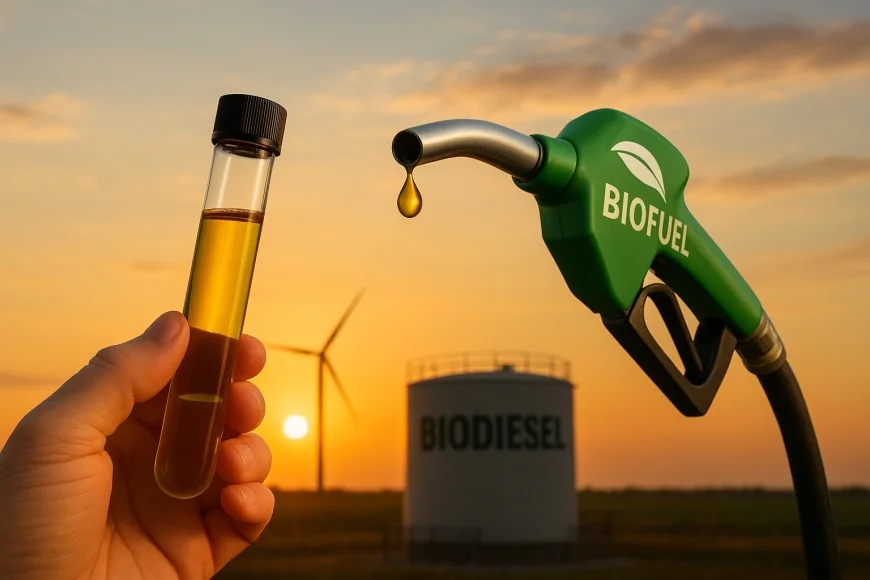
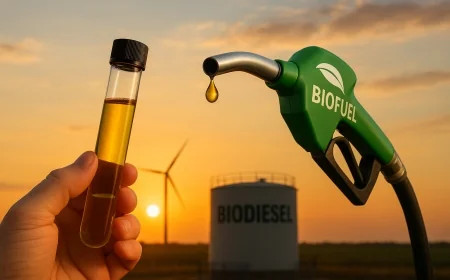
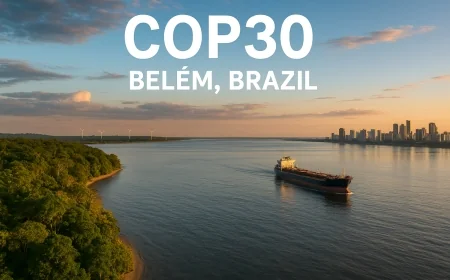
The summit, scheduled for November 10-21 in Belem, Brazil, will see countries present updated national climate commitments and review progress on renewable energy targets agreed at previous conferences. La Camera highlighted that biofuel pledges could feature prominently in the final COP30 declaration, potentially calling for quadrupled biofuel production by 2035 or setting a specific share for sustainable aviation fuel within national energy mixes.
“I think there will be more focus on the social aspect of the transition and also on the sustainable use of biomass,” La Camera said during the Singapore International Energy Week, emphasizing the need for communities to actively participate in renewable energy projects.
To support discussions, IRENA has prepared a biofuel report for COP30 and announced a partnership with the International Civil Aviation Organization (ICAO) to promote biofuel production and adoption. The move reflects the growing emphasis on integrating sustainability and equity into the global energy transition.
La Camera also noted progress in renewable energy installations worldwide. Global renewable capacity is now expected to fall 0.9 terawatts short of the COP28 target of 11.2 terawatts by 2030, an improvement from last year’s 1.49 terawatt shortfall. The accelerating pace of new installations is credited with narrowing the gap.
At COP28 in Dubai, 2023, more than 100 countries agreed to triple renewable energy capacity by 2030 to meet global climate objectives. According to IRENA’s latest report, achieving this target will require annual growth of 16.6% in renewable capacity between 2025 and 2030.
COP30 is expected to reinforce the link between technological progress, sustainable energy production, and social inclusivity, reflecting a broader understanding that climate action must integrate environmental, economic, and societal dimensions.