



































































































































Crypto kidnappings surge worldwide as criminals target digital wealth
A new and alarming trend is emerging at the intersection of digital innovation and organized crime: the kidnapping of cryptocurrency holders. Once isolated events, these crimes have rapidly escalated into a global phenomenon, exploiting the transparency and decentralization that underpin the crypto ecosystem.
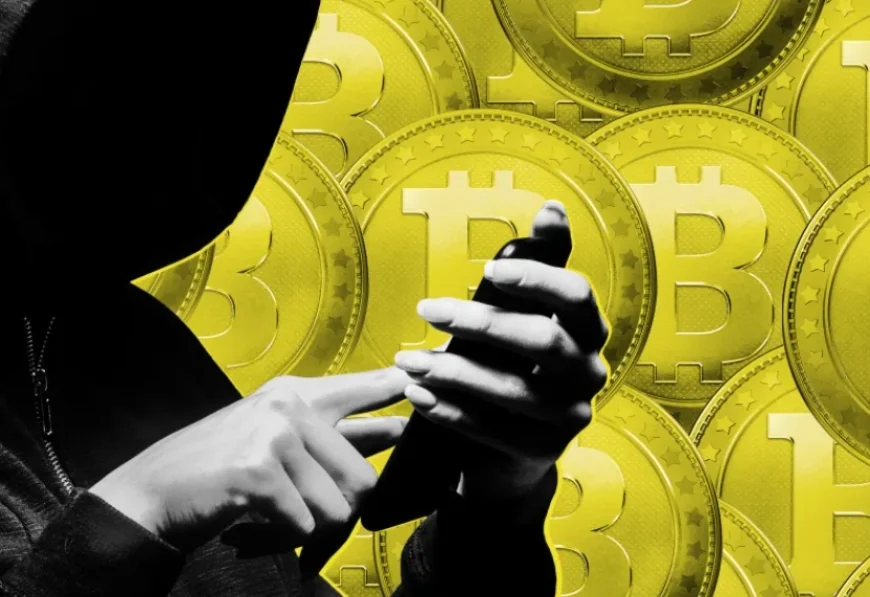
Over the past 18 months, at least 231 cases of physical attacks — including kidnappings, home invasions, and violent coercion — have been documented worldwide, resulting in six deaths. The irreversible nature of blockchain transactions, coupled with the illusion of anonymity, has created a dangerous environment where violence is becoming a key instrument of digital extortion.
High-profile targets and everyday users at risk
While crypto elites — founders, exchange executives, influencers, and traders — remain the primary targets, everyday users are increasingly vulnerable. Criminals conduct extensive surveillance, analyzing social media posts, blockchain activity, and even crypto event attendance to identify potential victims.
Between 2022 and 2025, attackers stole an estimated $166 million from crypto holders through physical crimes, $128 million of which came from kidnapping cases.
In one shocking incident in France, the co-founder of a crypto firm and his wife were abducted, tortured, and filmed as part of a €10 million ransom demand. In Las Vegas, a tech entrepreneur was kidnapped at gunpoint, forced to transfer $4.8 million in crypto, and left in the desert. In Paris, an attempted abduction of a CEO’s young daughter was narrowly prevented by a passerby.
Beyond high-profile figures, smaller investors have also been targeted in socially engineered attacks, where criminals use coercion, drugs, or fake friendships to gain access to victims’ wallets and passwords.
A global wave of crypto-related violence
Initially concentrated in Latin America and Southeast Asia, crypto-related kidnappings are now spreading globally. Asia remains the most affected region, but Europe and the United States have seen a sharp rise. France has recorded at least six major incidents in 2025 alone, while the U.S. has confirmed 48 crypto-linked kidnappings since 2019.
Unlike traditional organized crime networks, American criminal groups tend to operate independently, making them more unpredictable and difficult to dismantle.
Brutal tactics: from “wrench attacks” to drugging victims
The most feared method, known as a “wrench attack,” involves physical violence or torture to force victims to reveal private keys. In May 2025, an Italian investor was held hostage for 17 days, enduring severe beatings until he surrendered access to $28 million in Bitcoin.
Not all assaults involve overt brutality. In London, a man posing as a ride-share driver drugged a passenger and drained $123,000 in Bitcoin and XRP from his wallet while the victim was unconscious. Meanwhile, in Russia, a couple was ambushed during breakfast and coerced into transferring their crypto under threat of death.
These cases underscore a chilling evolution — the digital wealth once protected by encryption is now vulnerable through physical coercion.
Rethinking crypto security
The surge in kidnappings exposes a critical flaw in self-custody systems, where individuals control their private keys. In response, experts and security firms are developing multi-layered solutions designed to make coercion-based attacks less effective.
-
Multi-Signature Wallets: Require multiple private keys (e.g., 2-of-3 authorization) to complete transactions, reducing the risk from a single compromised key.
-
Multi-Party Computation (MPC): Distributes fragments of a private key across several devices or individuals, preventing any single party — or attacker — from accessing the full credentials.
-
Decentralized Seed Phrase Storage: Splits recovery phrases across multiple secure locations or peer-to-peer networks (e.g., Filecoin, Arweave, IPFS) to eliminate single points of failure.
Privacy and discretion as the first line of defense
Experts stress that discretion is as vital as technology. Publicly displaying wealth — through social media posts, luxury items, or travel updates — can attract criminal attention. Crypto holders are urged to use pseudonyms, fresh wallet addresses, and limited disclosure of holdings.
Physical precautions are equally critical. High-net-worth individuals should consider professional security teams, secure housing, and avoid predictable routines, especially in high-risk regions.
The new standard: layered security
As cryptocurrency adoption grows, so too does the physical threat landscape. Experts emphasize that no single tool guarantees safety — only layered defenses combining cryptographic security, operational discipline, and physical awareness can provide true protection.
“The crypto world must recognize that its greatest vulnerabilities are no longer just digital,” said a cybersecurity analyst. “The line between virtual and physical threats has disappeared.”