




























































































































US Senate approves compromise to end government shutdown
The U.S. Senate approved a bipartisan deal to end the longest government shutdown in American history, restoring funding for federal agencies through January 30. The agreement prevents immediate federal layoffs and ensures the continuation of food benefits for millions, but it defers a guaranteed resolution on expiring health subsidies until December. President Donald Trump has indicated he will sign the measure into law once it passes the House.
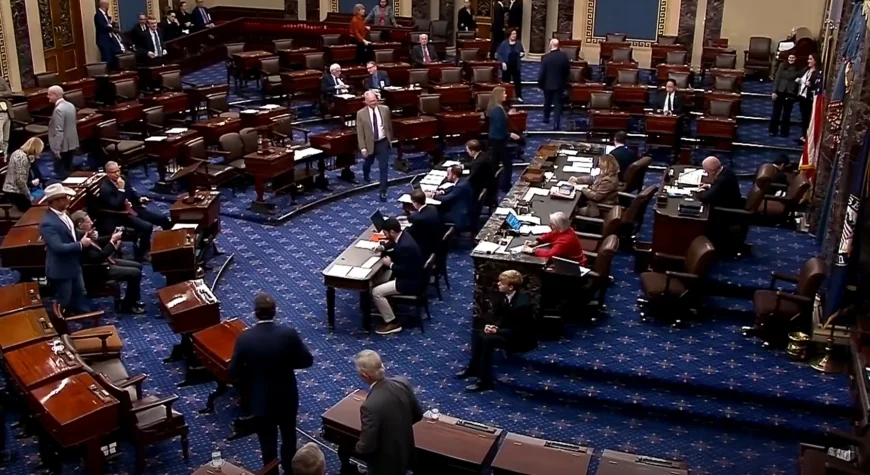
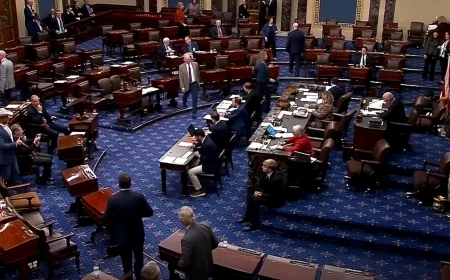
WASHINGTON, November 10 - The U.S. Senate approved a compromise agreement on Monday that would put an end to the longest government shutdown in U.S. history. The weeks-long political stalemate had severely disrupted essential services, including food benefits for millions, caused hundreds of thousands of federal workers to go unpaid, and created significant disruptions in air traffic.
The vote passed 60-40, securing support from nearly all Senate Republicans and eight Democrats. The deal restores funding for federal agencies that was allowed to expire on October 1. It also temporarily stalls President Donald Trump's campaign to downsize the federal workforce by preventing any layoffs until January 30.
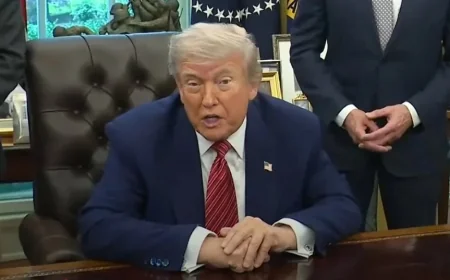
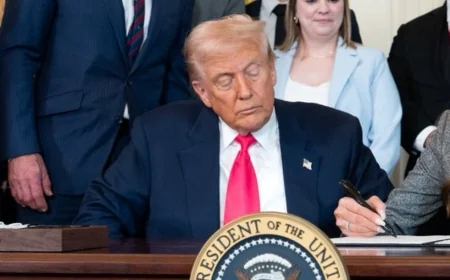
The legislation is now set to move to the Republican-controlled House of Representatives. Speaker Mike Johnson has expressed his intent to pass the measure as soon as Wednesday and send it to President Trump for signing. Trump has publicly endorsed the agreement, calling the deal to reopen the government "very good."
The compromise extends funding until January 30, meaning the federal government will continue adding approximately $1.8 trillion annually to its existing debt of $38 trillion.
A contentious element of the deal is its failure to guarantee the extension of health subsidies, which are due to expire at the end of the year and benefit 24 million Americans. While the agreement sets up a December vote on these subsidies, there is no guarantee they will continue, leading to frustration among many Democrats.
Senator Dick Durbin of Illinois, the Senate’s No. 2 Democrat, remarked, "We wish we could do more. The government shutting down seemed to be an opportunity to lead us to better policy. It didn't work." The deal comes shortly after high-profile Democratic election wins in New Jersey, Virginia, and New York City.
Public opinion, according to a late October Reuters/Ipsos poll, indicated that 50% of Americans blamed Republicans for the shutdown, compared to 43% who blamed Democrats. Following news of the progress on the deal, U.S. stocks saw a rise on Monday.
The compromise does not appear to include specific measures to prevent the President from enacting further spending cuts. The administration has previously canceled billions in spending and reduced federal payrolls, raising concerns among some Democrats about their support for future spending deals.
However, the deal does fund the SNAP food-subsidy program through September 30 of next year, ensuring the program is protected from potential disruptions if Congress were to face another shutdown during that period.