


































































Romania considers state control of Lukoil operations over US sanctions
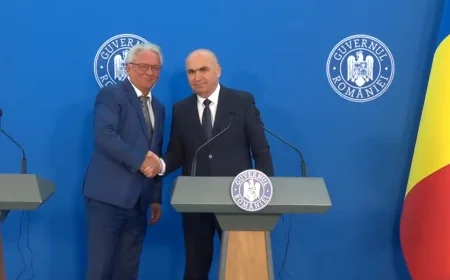
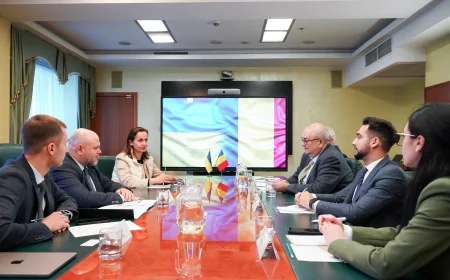
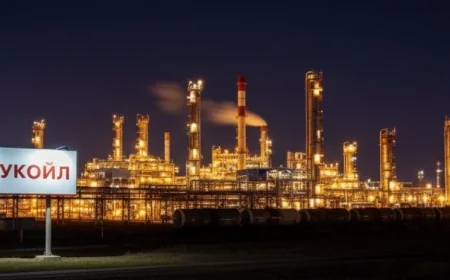
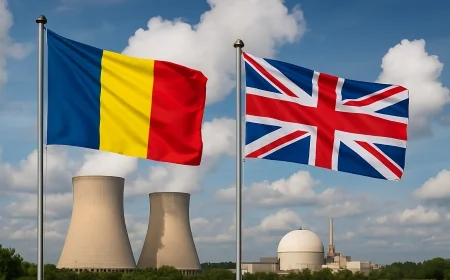
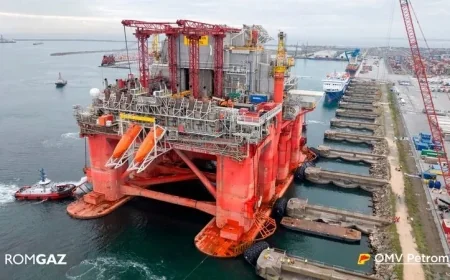
Romania's Energy Minister Bogdan Ivan has indicated a desire for the government to take control of Lukoil's operations, including the Petrotel Ploiești refinery, to ensure energy security and full compliance with U.S. sanctions. The move follows similar actions in Bulgaria and Serbia to prevent an imminent freeze on the Russian company’s assets. Minister Ivan has also shifted stance, advocating for the uniform application of U.S. sanctions across the European Union.
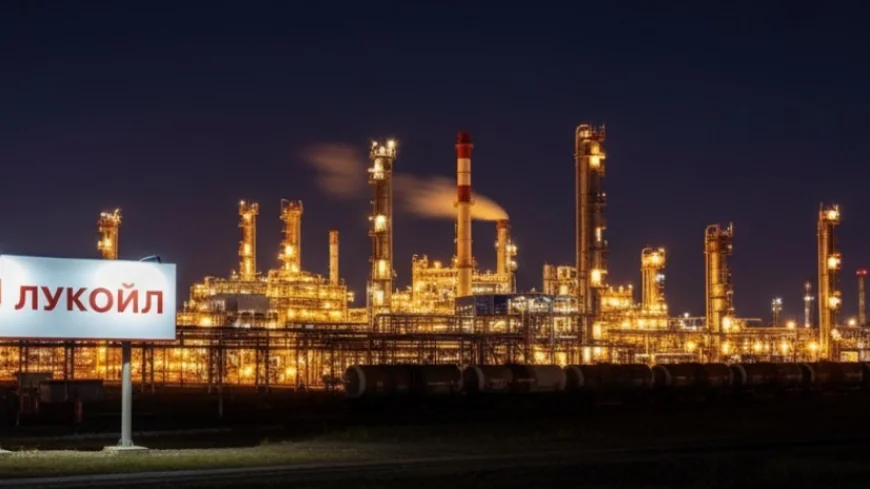
Romania is seeking to take control of Lukoil’s operations within its borders to prevent an imminent freeze resulting from sanctions imposed by the United States. This action mirrors steps taken by its neighbors, as Bulgaria is already placing the Russian company’s refinery—the largest in the Balkans—under state trusteeship. Separately, Serbia has proposed similar measures to exempt the Gazprom-owned NIS refinery, the only one in that country, from sanctions.
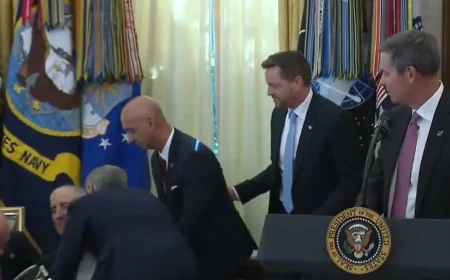
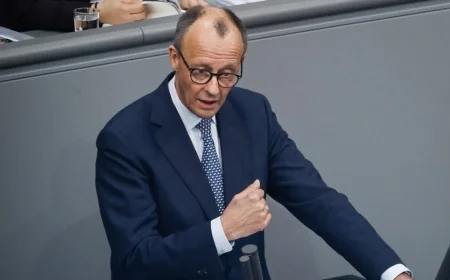
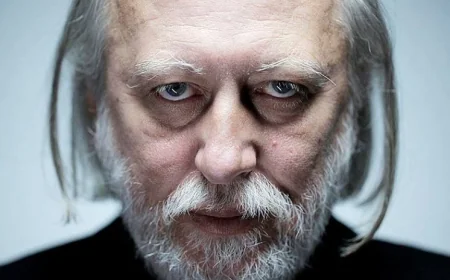
Romania's Minister of Energy, Bogdan Ivan, appears to have endorsed Bulgaria’s approach to the issue of U.S. sanctions against Lukoil, stating that the government must take control of the Russian company’s operations, according to Profit.ro.
Minister Ivan did not clarify whether the measure would constitute a temporary trusteeship. While nationalization is generally considered a last resort due to potential property rights issues, imposing state management is also a complex process.
Commitment to Energy Security and Sanctions
Minister Ivan emphasized the need to balance energy security with international commitments. “We protect Romania’s energy security and firmly enforce international sanctions targeting Lukoil," he stated. "My colleagues in the Ministry of Energy continue to work, together with all relevant authorities, on creating legislation that will ensure, on the one hand, full compliance with the sanctions regime established by the United States, and on the other hand, the continuity of Petrotel Ploiești’s refining activities, as well as the placement of petroleum products, without jeopardizing the supply of the national fuel market.”
Ivan adopted a more hawkish tone regarding sanctions against Russia, claiming he would not request an extension of the November 21 deadline from the U.S. "Moreover, I will support the replication and uniform application of the sanctions initiated by the U.S. throughout the European Union,” he stressed.
This marks a shift from the ministry's position late last month, which suggested the European Union needed to adopt a unified stance before Romania made a move. Notably, Ivan held talks with senior U.S. officials in Washington on November 8.
“Romania must take control of the company to guarantee the full implementation of international measures, to protect the jobs of the 5,000 employees and to ensure the stability and security of the national energy system,” Ivan said. However, the Petrotel Lukoil refinery had an average of 542 employees in 2023, with another 203 working at the company’s gas stations. Altogether, its six firms employ fewer than nine hundred people.
Similar Struggles in the Region
Bulgaria urgently adopted a law facilitating a state takeover of Lukoil’s Burgas refinery, authorizing the state administrator to potentially sell it. The effectiveness of this measure in delaying or preventing sanctions remains unclear.
Meanwhile, Serbia’s oil refiner and service stations operator NIS, majority-owned by Russian state-owned Gazprom, is already under U.S. sanctions. Serbian Minister of Mining and Energy Dubravka Đedović Handanović confirmed that the "Russian owners" requested a renewal of the company's license from the U.S. Office of Foreign Assets Control (OFAC) due to "negotiations with a third party." She revealed that the Russian side is prepared to cede control over NIS to a third party. Lukoil also operates a chain of fuel stations in Serbia.