






































































































Poland triples its gold reserves, becoming the world’s top buyer in 2024
In an increasingly unstable world where the global financial order is showing signs of transformation, Poland has decided to bet big on gold.
The pace of purchases has boosted Poland’s reserves dramatically — since 2023, they have nearly tripled, now reaching approximately 515 tonnes. This places Poland tenth globally, just behind the Netherlands but ahead of major economies like the United Kingdom and Spain.
The European nation has purchased nearly 67 tonnes so far this year — more than any other country in the world. In 2024, its total acquisitions reached nearly 90 tonnes, almost double that of China, making Poland the top global gold buyer. In 2023, the country had already secured second place with 130 tonnes.
Despite this sharp rise, Polish authorities believe there is still room for growth. At the beginning of September, the central bank announced a long-term goal to hold around 30% of its foreign exchange reserves in gold. Currently, the proportion stands at roughly 24%, meaning another 150 tonnes would need to be acquired at current prices.
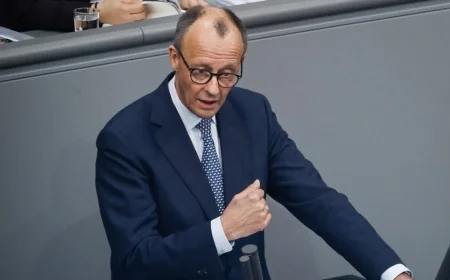
“Gold is the only truly safe asset for national reserves,” said central bank president Adam Glapiński in an official statement, justifying the country’s buying strategy amid global instability.
Glapiński expanded on this strategy in a 2024 article, highlighting the geopolitical significance of gold. He noted that the international situation and potential future threats to Poland’s economic and military security, combined with its historical experience, make preparedness essential.
The central banker emphasized that unlike traditional currencies, gold is not subject to monetary policy decisions by other central banks, nor can its supply be infinitely expanded. He also stressed that significant gold reserves strengthen confidence in both the national currency and the monetary authority.