























































































Uprising in Madagascar signals new era of instability in the Indo-Pacific
Madagascar, a strategically located island nation in the Indian Ocean, has experienced a violent uprising leading to the ousting of Andry Rajoelina and the installation of a military junta government led by Colonel Michael Randrianirina. This sudden destabilization, rooted in the island's critical geopolitical position on the Africa-Asia trade route and its vast natural resources, underscores the growing pressures on isolated, neutral states amidst the emerging cold war for dominance in the Indo-Pacific. The new regime, isolated by the African Union, will face the challenge of balancing foreign interests—particularly those of China, Russia, and the West—while navigating domestic unrest.
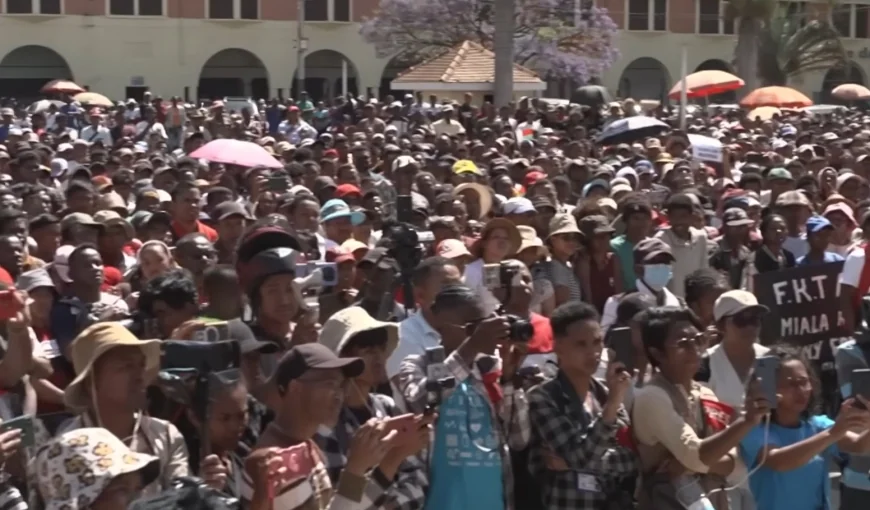
After decades of political stability, Madagascar, the largest island nation in the Indian Ocean, has been thrown into turmoil by a violent uprising. The revolution successfully toppled President Andry Rajoelina, leaving the country in the hands of a government backed by a military junta. This sudden disturbance signals that isolated, neutral nations can no longer expect decades of stability amidst the escalating geopolitical contest for the Indo-Pacific region. The island's strategic location is central to its rapid destabilization.
Madagascar's Strategic Value
Madagascar is one of Africa's six island nations and lies on a vital trade route between the continents of Africa and Asia. Its importance is highlighted by the military infrastructure maintained by surrounding powers:
-
India is funding a new three-kilometer-long runway on the island of North Agalega (Mauritius).
-
France maintains a base at the Reunion Islands (French territory).
-
The USA and the UK have a significant base at Diego Garcia, 3,000 kilometers away.
-
China operates a base in Djibouti, located in the Horn of Africa.
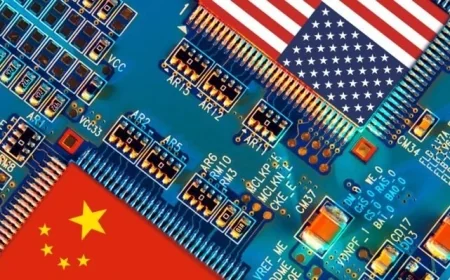
For Western powers aiming to counter China’s expanding influence, Madagascar is an ideal location for a new base, being the largest landmass along the Africa-Asia maritime path. Conversely, China views Madagascar as a valuable component in its “String of Pearls” strategy, having heavily invested in infrastructure like railroads and ports under the Belt and Road Initiative (BRI). Europe and France are also wary of another African military junta becoming dependent on Russian arms and mercenaries, a pattern seen recently in nations such as Mali, Sudan, and Chad.
The Race for Resources
Madagascar’s natural resources amplify its strategic importance. The country is a major global producer of cobalt, granite, and nickel—materials crucial for manufacturing lithium batteries, electric vehicles, aerospace equipment, and nuclear energy infrastructure.
-
The country is the fourth largest supplier of graphite to the United States.
-
Japan and South Korea import roughly a quarter and a third, respectively, of their nickel supply from Madagascar.
-
Canada and the UK are also key buyers of these materials.
The heightened global demand for these resources, fueled by the emerging arms race and the shift towards renewable energy systems, places immense pressure on smaller, resource-rich nations like Madagascar.
Challenges for the New Administration
The fall of Rajoelina led to the establishment of a new government under Colonel Michael Randrianirina, the coup leader who acted in support of the popular protests. In response to the coup, the African Union (AU) suspended Madagascar, a move intended to isolate the new administration. However, the efficacy of the suspension is debatable, as the organization has faced criticism for losing credibility due to its perceived failure to foster stability in conflict-ridden nations and being seen by some as an instrument of Western agendas. Gabon, Niger, Guinea, Sudan, Burkina Faso, and Mali have all been previously suspended for similar coups.
The new junta will likely gravitate toward China and Russia. China is already Madagascar’s third-largest import partner and a significant infrastructure investor. Russia has successfully established footholds across Africa using oil diplomacy and foreign mercenaries. However, the fragile administration must carefully balance these ties with the West, as a significant portion of Madagascar's economy still relies on Western importers of its raw materials. This balancing act will be particularly challenging for a government already isolated from the global community.
A Looming Era of Turbulence
The events in Madagascar align with a pattern of popular unrest witnessed across the Indo-Pacific since 2022. Similar youth-led protests and revolutions have toppled governments in Sri Lanka (2022), Bangladesh (2024), and Nepal (2025). Near Madagascar, protests have also recently rocked Kenya and Tanzania.
Small economies, already strained by global events like the war in Ukraine and the disruptions caused by trade tariffs (such as those implemented by the Trump administration against China), are facing increasing turbulence. The global shift of focus away from counterterrorism has left fragile governments exposed to insurgencies and domestic unrest fueled by stagnant economies and unpopular domestic policies. The globalization of popular protests through social media suggests the possibility of a domino effect, indicating a looming era of turbulence and destabilized regimes across the Indo-Pacific.