






















































































































New Delhi blanketed by severe smog as residents protest
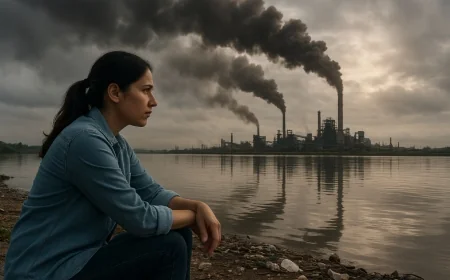
A thick, acrid layer of smog enveloped New Delhi, India, on Monday, pushing the air quality index to a "severe" level of 344, far exceeding safe limits. The worsening annual public health crisis has led hundreds of frustrated residents and environmental activists to protest, demanding immediate government action against the chronic pollution. Authorities face criticism for failing to implement effective long-term measures.
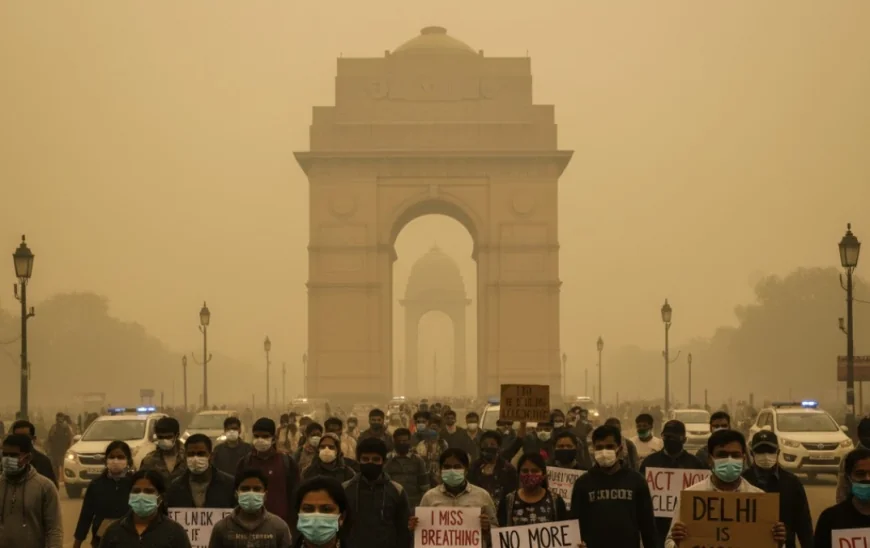
NEW DELHI — A thick layer of smog enveloped India’s capital on Monday, filling the air with an acrid smell as pollution levels surged and exacerbated a public health crisis. The worsening situation has prompted residents to take to the streets to protest and demand urgent government intervention.
By Monday morning, New Delhi’s air quality index (AQI) stood at 344, a level considered "severe" and extremely dangerous to breathe, according to recommended exposure limits set by the World Health Organization (WHO).
Late Sunday, hundreds of people, including parents and environmental activists, gathered at the city's India Gate in a rare public protest. Many wore face masks and carried placards, with one highlighting the urgency of the situation by reading: “I miss breathing.”
“I am here just as a citizen who cares and who is worried about the state of situation that we are in with respect to the lack of clean air to breathe,” said protester Meghna, who only gave her first name. Police later confiscated banners and asked the protesters to disperse, citing a lack of demonstration permission.
Causes of the Annual Crisis
The worsening air quality, which causes residents to suffer from persistent coughs and headaches, has sparked outrage. Frustration is mounting toward politicians who are often accused of engaging in a blame game instead of enforcing concrete policies to combat the annual health emergency.
Home to over 30 million people, New Delhi and its surrounding region routinely rank among the world’s most polluted cities. According to a report by the Switzerland-based air quality monitoring database IQAir earlier this year, India contains six of the 10 most polluted cities globally, with New Delhi retaining the title of the most polluted capital.
Air quality in the city deteriorates sharply each winter as several factors converge. Farmers in nearby states engage in crop residue burning, and cooler temperatures then trap the resulting smoke. This smoke mixes with existing vehicle and industrial emissions. Toxic particles linger because Delhi’s winters are often dry and windless, sometimes pushing pollution levels to 20 times the WHO’s safe limit.
Authorities have implemented short-term measures, including temporarily banning construction and restricting diesel generators, and have even attempted cloud seeding to promote rain. However, critics maintain that only robust, long-term policies focused on cutting core emissions can provide real, lasting relief.