



























































































































UNEP highlights the health, economic, and social benefits of tackling pollution
Preventing, managing, and controlling pollution is crucial for improving health, human well-being, and prosperity, according to the United Nations Environment Programme (UNEP). The agency emphasizes that addressing pollution is not only an environmental imperative but also a cost-effective strategy to drive economic growth and advance the Sustainable Development Goals (SDGs).

Pollution threatens health and lives
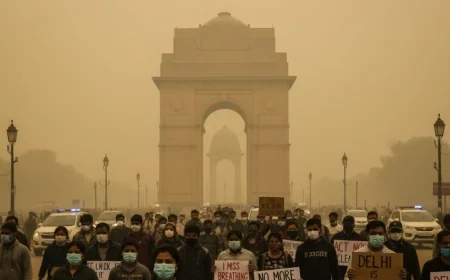
Pollution remains the largest environmental cause of disease and premature death worldwide, responsible for at least 9 million deaths annually. Persistent toxic chemicals, heavy metals, and endocrine-disrupting substances contribute to non-communicable diseases such as cancer, reproductive disorders, and cardiovascular damage—often with effects difficult to directly trace to pollution exposure.
Economic studies show significant costs: for example, health impacts from endocrine-disrupting chemicals account for over 2% of U.S. GDP and more than 1% of EU GDP each year. Lead exposure alone, affecting children’s cardiovascular health and cognitive development, could cost the global economy 6.9% of GDP if left unaddressed.
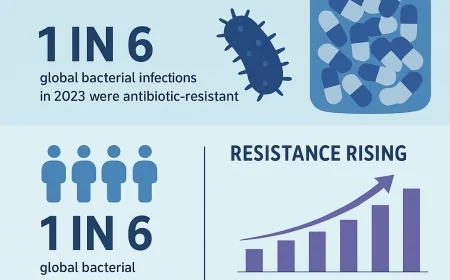
Improving water quality and sanitation can save millions of lives, reduce diarrhoeal diseases by 60%, and curb the rise of antimicrobial resistance, projected to claim 39 million lives between 2025 and 2050 without decisive intervention.
Economic growth and job creation
Transitioning to a sustainable, circular economy could increase global GDP by approximately 3% above historical trends while reducing material use by 30%. Key sectors—food, agriculture, mining, electronics, transport, and textiles—offer opportunities for circular business models. For instance, circular fashion could represent 23% of the global market by 2030.
Circular economy strategies, including recycling, repair, remanufacturing, and extended producer responsibility, could create 6 million new jobs and formalize 20 million existing informal waste sector jobs. UNEP estimates that improved waste management and lifecycle approaches could yield an annual net gain of $108.5 billion by 2050.
Food security and ecosystem health
Pollution undermines ecosystem services critical to food production, threatening crops, livestock, and fisheries. The rise of antimicrobial resistance in livestock could reduce production equivalent to feeding up to 2 billion people by 2050.
Sustainable farming, reduced synthetic fertilizer use, and methane reduction measures could halve global crop losses, saving up to $33 billion annually by 2050. Nutrient recovery from wastewater could meet 25% of global nitrogen and phosphorus demand, supporting sustainable agriculture while preventing ecosystem disruption.
Reducing plastic pollution is also essential. According to the FAO, agricultural plastics threaten soil health, crop productivity, food safety, and human health, highlighting the urgency for preventive action.
Promoting fairness and social equity
Pollution disproportionately affects low- and middle-income countries, accounting for 92% of pollution-related deaths, with women, girls, minorities, and marginalized groups particularly vulnerable due to biological and socio-economic factors.
Reducing airborne fine particulate matter (PM2.5) by 20% could boost productivity by 33% and employment by 16%, benefiting low-income communities. Wastewater reuse could provide 320 billion cubic meters of water annually, ten times current global desalination capacity, improving water access while mitigating pollution.
UNEP’s approach and global leadership
Through initiatives like the Beat Pollution campaign, UNEP promotes cleaner, circular economies and demonstrates the economic, environmental, and health benefits of sound chemicals and waste management. Hosting the Global Framework on Chemicals and the Intergovernmental Science-Policy Panel on Chemicals, Waste and Pollution, UNEP drives renewed global action toward a pollution-free planet.
Addressing pollution advances multiple SDGs, including:
-
SDG 2: Zero hunger
-
SDG 3: Good health and well-being
-
SDG 6: Clean water and sanitation
-
SDG 10: Reduced inequalities
-
SDG 12: Responsible consumption and production
UNEP continues to track progress, identify gaps, and inspire nations to adopt measures that protect human health, ecosystems, and economic prosperity.