





































































































Russia Analytical Report: Oct. 20-27, 2025
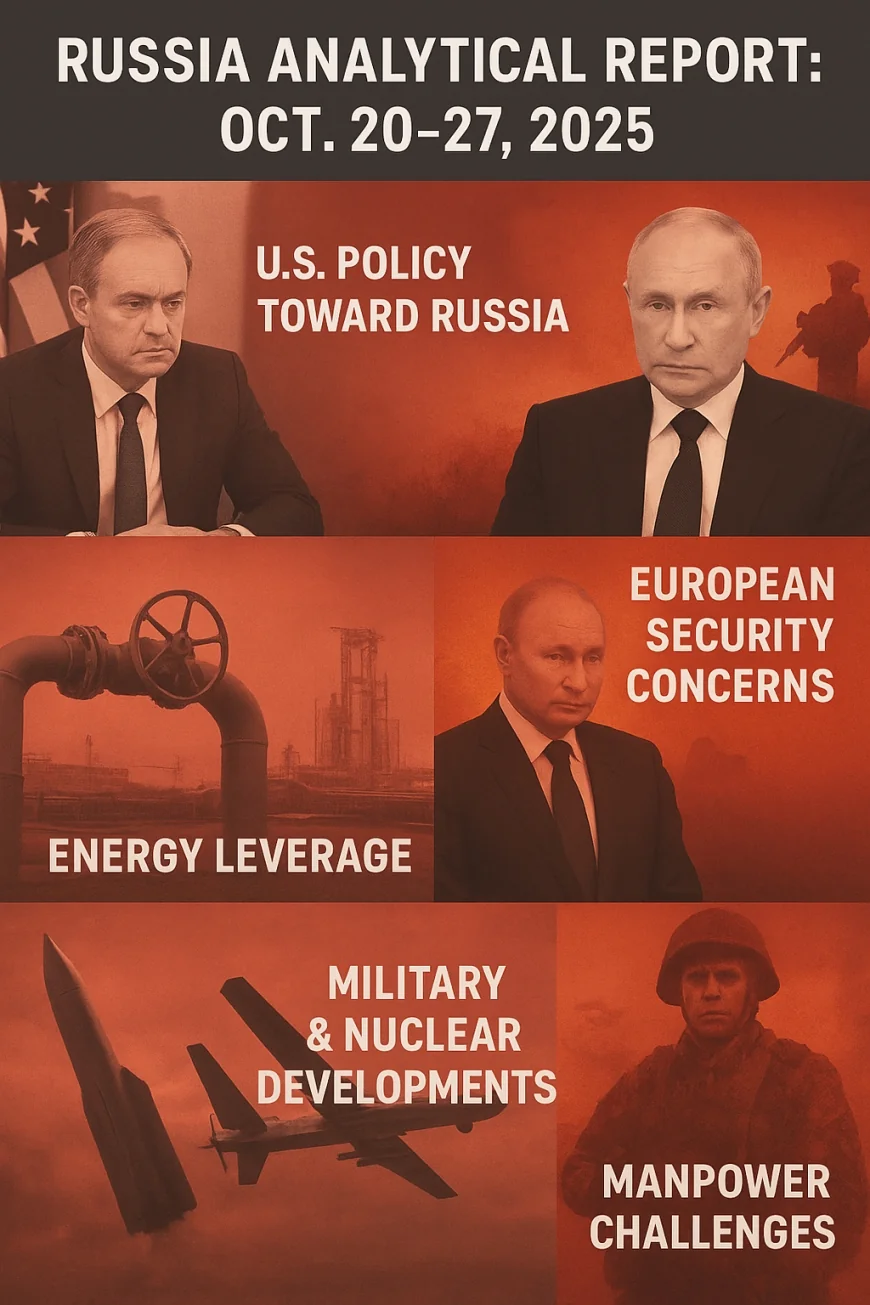
This week’s Russia Analytical Report highlights evolving geopolitical, military, and economic dynamics involving Russia, the United States, and Europe.
U.S. Strategic Options Toward Russia
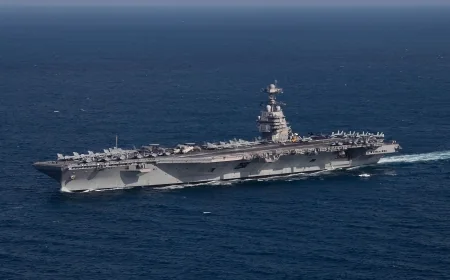
Thomas Graham, a distinguished fellow at the Council on Foreign Relations, frames U.S. policy toward Russia as a choice between moral clarity and practical efficacy. The two approaches—containment or competitive coexistence—offer different paths. Containment seeks to erode Russia’s strategic ambitions and align its policies with Western values. Competitive coexistence, by contrast, accepts Russia as a permanent rival, focusing on managing rivalry responsibly to avoid direct military confrontation. Graham argues that while containment offers moral clarity, competitive coexistence provides a more reliable route to European stability and U.S. interests.
European Security Concerns
European leaders express unease over insufficient American protection amid perceived Russian covert operations and sabotage campaigns. Columnist David Ignatius notes that U.S. cybersecurity capabilities have weakened, raising the question of whether Washington’s priorities align with emerging threats. Senators report staff reductions in critical agencies, highlighting a potential mismatch between U.S. policy and European security needs.
Energy as a Geopolitical Weapon
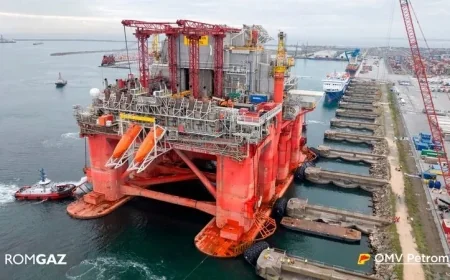
Meghan O’Sullivan and Jason Bordoff analyze Russia’s continued use of energy for political leverage. Following the 2022 invasion of Ukraine, Russia reduced gas exports to Europe, triggering an energy crisis mitigated only by costly LNG imports. Future gas market concentration may heighten risks, even if Russia’s LNG expansion plans falter, underscoring the enduring strategic importance of energy resources.
Nuclear Developments
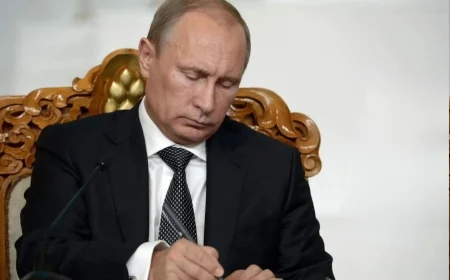
Vladimir Putin’s announcement of successful tests of the nuclear-capable Burevestnik missile marks a notable escalation in nuclear signaling. Analysts remain skeptical of its practical battlefield utility but caution that such developments could spur an arms race, similar to the strategic and symbolic impact of Sputnik in 1957.
Ukraine Conflict and Military Innovations
Western drones, such as the Switchblade-300, have underperformed in Ukraine, hindered by Russian electronic warfare and cost inefficiencies. Ukrainian developers now focus on low-cost, disposable drones that leverage rapid production and adaptability, demonstrating a shift toward mass, pragmatic innovation over high-spec, low-volume approaches.
Russian Manpower and Contract Soldiers
Russia’s recruitment strategy, heavily reliant on contract soldiers incentivized with rising bonuses, faces increasing fiscal strain. Costs have surged by up to 75% over the past year, and only wealthier regions can sustain high incentives. Despite these measures, manpower advantages have not yielded significant battlefield gains, largely due to effective Ukrainian drone defenses, prompting questions about the sustainability of Russia’s 2026 offensive preparations.
This period underscores the complex interplay of strategic policy choices, energy leverage, military innovation, and fiscal constraints. Russia continues to test Western responses, while the U.S. and Europe navigate evolving threats in policy, security, and energy domains.