






























































Europe at the crossroads: The end of illusions and the need for courage on Ukraine
When U.S. Special Envoy Keith Kellogg told the Warsaw Security Conference that Europe no longer needed “training wheels” from Washington, his words carried both encouragement and a thinly veiled rebuke. “You’re really good at what you do,” he said. “You don’t need the United States with you in an alliance — you can handle things on your own.”
The metaphor of children learning to ride a bike struck a nerve — and perhaps for good reason. Even before U.S. President Donald Trump’s latest pivot toward Moscow, Europe’s approach to Russia’s war against Ukraine had begun to look like a theater of denial rather than a coherent strategy.
A Diplomacy of Delusion
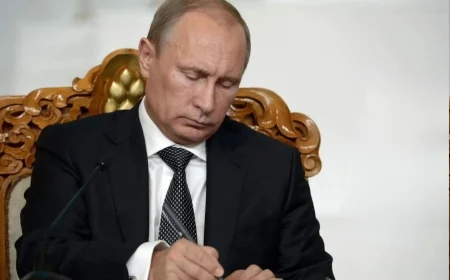
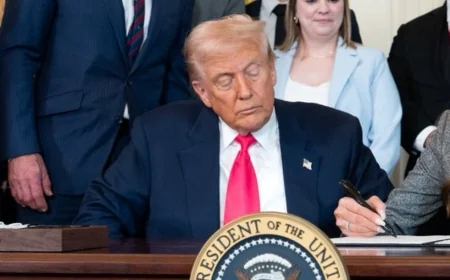
The much-discussed “peace process” has devolved into a hollow ritual. The idea of forcing Russia into an unconditional ceasefire has vanished, replaced by hesitant gestures and futile attempts to charm Trump into supporting Ukraine. For months, European leaders hoped for U.S. military assistance and tougher pressure on Moscow. Those hopes were extinguished by a single phone call between Vladimir Putin and the White House.
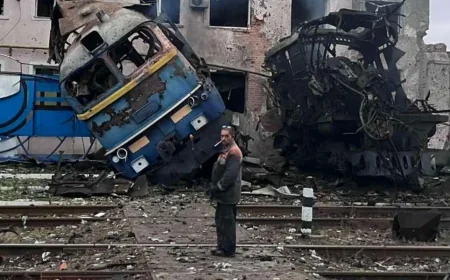
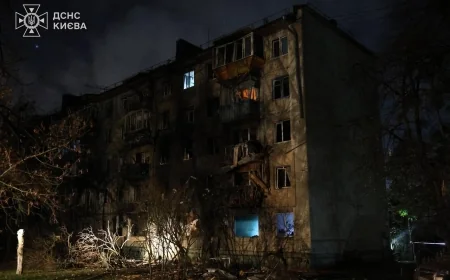
Now, with Trump pressing Kyiv to accept Russia’s terms, Europe’s leaders appear adrift — reduced to issuing vague statements about “security guarantees” while the Kremlin resumes its brutal campaign of missile strikes on Ukrainian cities. Moscow, once again, escapes consequences.
The Failure of the “Coalition of the Willing”
Formed in the spring to counter the looming threat of U.S. disengagement, the so-called “Coalition of the Willing” now faces an uncomfortable question: willing to do what, exactly?
Months of diplomatic maneuvering have led only to symbolic gestures — even a red carpet welcome for a war criminal on U.S. soil. If Europe truly wants peace and security, it must abandon the illusion that stability can be negotiated without force.
Europe Must Step Up — Now
The first test comes this week. The European Union has the means to make a powerful statement by approving a €140 billion loan to Ukraine using frozen Russian assets. Such a move would not only secure Kyiv’s finances for the next several years but also send a clear signal that Europe is ready to act independently of Washington.
Yet financial aid alone is not enough. Europe must begin preparing for a direct role in Ukraine’s defense — with or without a ceasefire. This could take the form of the SkyShield Initiative, in which NATO aircraft and European missile systems protect western and central Ukraine from Russian attacks.
Europe should also deploy troops to train alongside Ukrainian forces, improving battlefield coordination and readiness. Countries like France and Poland, with sufficient military capacity, could lead by positioning brigade-level units inside Ukraine as a deterrent to further Russian aggression.
Fear of Escalation — and the Cost of Inaction
Critics warn that such steps could provoke a wider war. But the alternative — Ukraine’s collapse — would be far worse. A victorious Russia, armed with wartime experience and emboldened by Western weakness, would turn its gaze westward. Its drones already probe deep into Polish airspace, testing the continent’s resolve.
If Europe hesitates now, the question may soon become whether it can respond at all when those drones are no longer “accidents.”
Europe’s Security Is on the Line
Ukraine’s soldiers are exhausted, fighting not only for their own survival but for the preservation of Europe’s postwar order. Their endurance cannot be treated as an endless resource. If the front line buckles — as early warnings near Dobropillia suggested — all of Europe’s talk of “security guarantees” will evaporate.
Europe’s military restraint may even be doing harm, allowing complacency to set in while Russia tightens its grip.
The Road to Peace Is the Road to Courage
The defense of Ukraine is the defense of Europe. European leaders have said it many times. Now they must prove it through action, not rhetoric.
The path to lasting peace is the same as the path to security — and it begins with courage, not comfort.