

































































































































Nvidia reaches $5 trillion market value, surpassing all but the world’s two largest economies
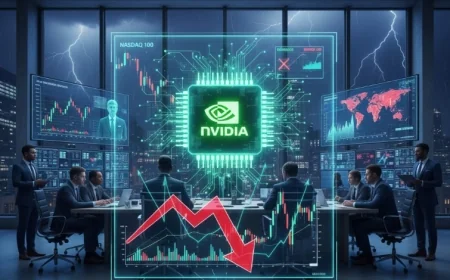
Nvidia has reached a historic milestone, becoming the first company in history to achieve a $5 trillion market capitalization, a level that exceeds the GDP of every country on Earth except the United States and China, according to World Bank data.
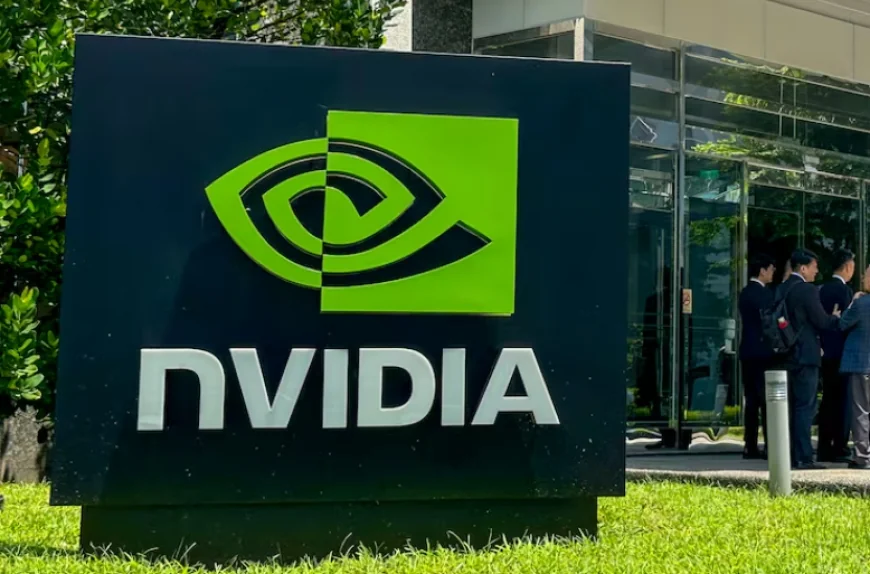
The milestone comes just three months after Nvidia hit $4 trillion, and just over two years after reaching $1 trillion. On Wednesday, the company’s stock closed more than 3% higher, bringing its market value to $5.03 trillion.
Nvidia’s meteoric rise reflects the global AI investment boom, which has pushed U.S. stock markets to record highs while creating enormous wealth for top shareholders. The company’s stock has surged more than 50% this year and over 1,500% in the last five years, dwarfing broader indices such as the S&P 500 (up 17% in 2025) and the Nasdaq (up 23%).
Nvidia and the AI boom
More than any competitor, Nvidia has become the emblem of AI-driven market enthusiasm. Its $5 trillion valuation surpasses the combined market value of major competitors, including AMD, Intel, Broadcom, TSMC, Micron, ASML, Lam Research, Qualcomm, and Arm Holdings.
The company’s CEO, Jensen Huang, highlighted the growing demand for AI hardware during Nvidia’s annual AI conference in Washington, D.C., announcing a wave of partnerships and investments with firms including Nokia and Uber, and projecting $500 billion in AI chip orders through next year. When asked about concerns over a potential AI bubble, Huang told NBC News that “these companies are generating real revenues” and producing profitable products.
Market drivers and geopolitical impact
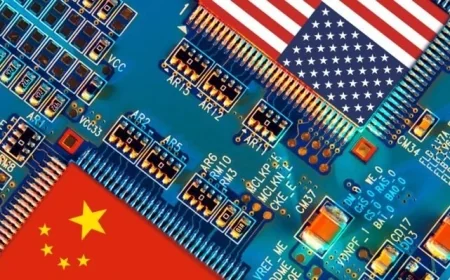
Nvidia’s latest surge also coincides with renewed attention from U.S.-China relations. President Donald Trump indicated plans to discuss Nvidia’s Blackwell AI chip with Chinese President Xi Jinping at an upcoming summit in South Korea. Blackwell, Nvidia’s most powerful AI processor, has been subject to export restrictions over concerns that China could gain a technological advantage.
The U.S. Commerce Department has offered mixed signals on AI chip exports to China, allowing sales of lower-tier technology while restricting access to the most advanced hardware. Secretary Howard Lutnick explained in July, “We don’t sell them our best stuff, not our second-best stuff, not even our third best. Selling China America’s ‘fourth best’ AI technology, however, was cool.”
Nvidia’s continued growth underscores the rapid expansion of AI markets, the integration of cutting-edge technology into global supply chains, and the increasing role of geopolitical considerations in tech investments. Analysts caution, however, that the pace of growth mirrors previous tech bubbles, drawing comparisons to the dot-com era of the late 1990s, raising concerns about potential volatility in the sector.