
































































































































Global Cybercrime Treaty to Be Signed in Hanoi Amid Human Rights Concerns
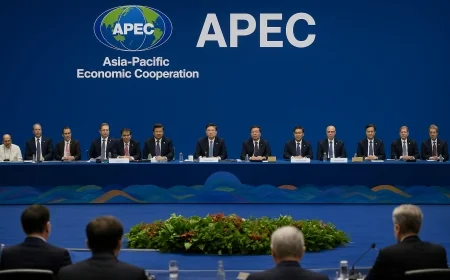
HANOI, Oct 25 – Around 60 countries are set to sign a landmark U.N. cybercrime treaty this weekend in Vietnam’s capital, Hanoi, aiming to combat offences that cost the global economy trillions of dollars annually. The treaty, which will enter into force once ratified by 40 nations, seeks to streamline international cooperation against cybercrime but has drawn criticism from activists and technology companies over potential human rights risks.
At the opening ceremony, U.N. Secretary-General Antonio Guterres said, “Cyberspace has become fertile ground for criminals…every day, sophisticated scams defraud families, steal livelihoods, and drain billions of dollars from our economies. The U.N. Cybercrime Convention is a powerful, legally binding instrument to strengthen our collective defences against cybercrime.”
The treaty addresses a wide range of offences, including phishing, ransomware, online trafficking, and hate speech, reflecting estimates that cybercrime imposes trillions of dollars in global losses each year.
Vietnam President Luong Cuong hailed the signing as a milestone, stating it “not only marks the birth of a global legal instrument but also affirms the enduring vitality of multilateralism, where countries overcome differences and are willing to shoulder responsibilities together for the common interests of peace, security, stability, and development.”
However, critics have raised alarms about the treaty’s broad and vague definitions, warning they could facilitate government overreach. The Cybersecurity Tech Accord, which includes Meta (META.O) and Microsoft (MSFT.O), labeled the pact a “surveillance treaty,” claiming it could promote data sharing among governments and criminalize ethical hackers who expose vulnerabilities.
In response, the U.N. Office on Drugs and Crime (UNODC), which led treaty negotiations, emphasized that the agreement contains human rights protections and supports legitimate research activities.
Diplomats from the European Union, United States, and Canada attended the signing ceremony. Vietnam’s hosting role has also generated scrutiny: the U.S. State Department recently highlighted the country’s human rights challenges, including online censorship, while Human Rights Watch reported that at least 40 people have been detained this year, some for online dissent.
For Vietnam, the treaty presents a dual opportunity: to bolster its cyber defences amid rising attacks on critical infrastructure and to enhance its international standing in the global cybersecurity arena.