
































































































China Requires Influencers to Hold Professional Credentials for Sensitive Topics
BEIJING, Oct 25 – China has enacted a new law mandating that social media influencers hold relevant professional qualifications before discussing topics such as finance, medicine, health, law, or education, according to multiple media reports. The rule, which came into effect on October 25, aims to curb misinformation online and ensure that content shared on sensitive subjects is reliable.
The Cyberspace Administration of China (CAC), the regulatory authority overseeing online content, has also banned advertising for medical products, supplements, and health foods, aiming to prevent covert promotions disguised as educational material.
Influencers Face New Verification Requirements
Under the new law, influencers must provide proof of university degrees, recognized professional training, licenses, or certifications before publishing content on regulated subjects. Major Chinese platforms, including Douyin, Weibo, and Bilibili, are responsible for verifying creators’ credentials and ensuring that content contains proper citations, disclaimers, and clear labeling of AI-generated material.
Influencers are also required to indicate whether information is sourced from studies, expert research, or AI-generated content, reinforcing online accountability. The CAC stated that these measures are intended to protect the public from misleading content and harmful advice.
Mixed Reactions Online
The law has sparked debate in China. Supporters argue it will improve the quality of online information and allow qualified experts to lead discussions, reducing the spread of misinformation. One user on Weibo commented, “It’s about time people with real expertise led the conversation.”
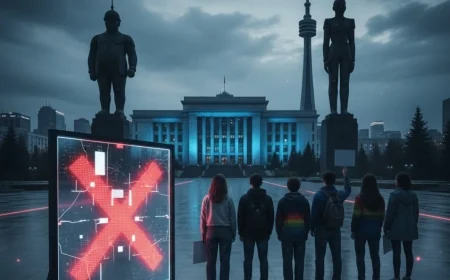
Critics, however, say the law could restrict freedom of speech and limit independent voices on social media. Some creators worry that authorities may gain excessive power in determining who qualifies as an “expert.” A Beijing-based influencer noted, “Next thing you know, we’ll need a license to post opinions.”
Potential Impact on China’s Influencer Culture
The law represents a significant shift in China’s social media landscape, signaling tighter oversight of influencer content and a stricter approach to misinformation. Platforms will need to implement robust verification systems, while content creators must adhere to enhanced transparency and labeling requirements.
Observers say this may reshape how influencers operate in China, potentially limiting creative expression on sensitive topics while raising standards for accurate and professional content.