






























































































































UNESCO Highlights AI’s Role in Education on International Day of Education 2025
PARIS, Oct 24 – On International Day of Education 2025, UNESCO is urging Member States, educators, and stakeholders worldwide to engage in a dialogue around this year’s theme: “Artificial Intelligence and Education: Protecting Human Agency in a World of Automation.” The focus underscores the importance of integrating AI into education systems responsibly, empowering learners and teachers while safeguarding human agency in an increasingly automated world.
Artificial Intelligence is rapidly reshaping education, offering opportunities to enhance teaching, learning, and research. Yet a UNESCO survey conducted in 2023 revealed that only 10% of schools and universities globally have established frameworks for the responsible use of AI, highlighting the urgent need for comprehensive policies and ethical governance.
UNESCO’s Frameworks for Ethical AI in Education
UNESCO has long championed the ethical and inclusive use of AI. The 2021 Recommendation on the Ethics of Artificial Intelligence established a foundation for responsible AI governance. This was followed by the 2023 Guidance for Generative AI in Education and Research and the 2024 AI Competency Frameworks for Students and Teachers, offering tools to support Member States in implementing AI in education safely, inclusively, and ethically.
Eastern Africa Leading in AI Integration
Eastern Africa has emerged as a regional leader in leveraging AI for education. Mauritius, the first African country to adopt a National AI Strategy in 2018, continues to expand its initiatives using UNESCO’s Readiness Assessment Methodology. Kenya and Rwanda have launched their National AI Strategies, emphasizing 21st Century Skills and high AI literacy, while Tanzania is preparing a National Digital Education Strategy to integrate AI into its education system.
In June 2024, Eastern African Member States convened in Nairobi to adopt the Nairobi Statement on Artificial Intelligence and Emerging Technologies during the Eastern Africa Sub-Regional Forum on AI, co-organized by UNESCO and the Government of Kenya. The statement reinforces the ethical and responsible use of AI, focusing on teacher capacity-building, learner AI literacy, and national education strategies.
AI Empowering Youth and Special Needs Education
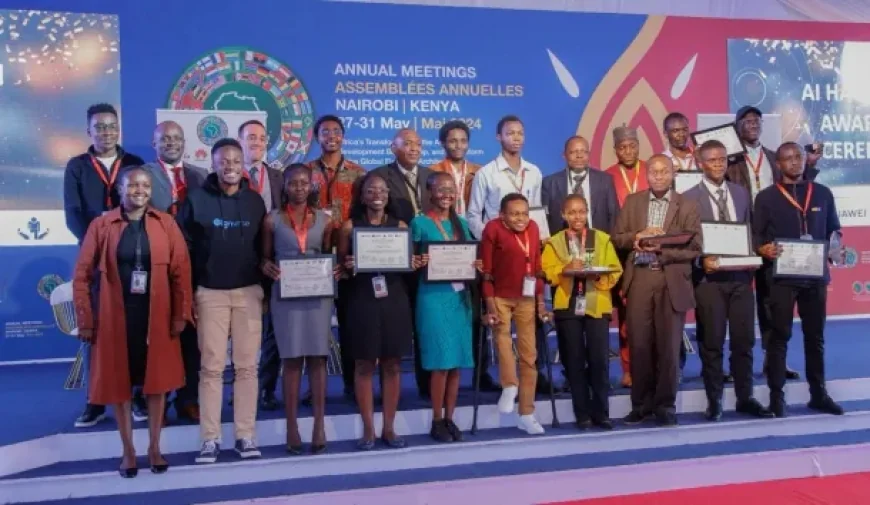
The transformative potential of AI is particularly significant for youth, who constitute 60% of the sub-Saharan African population. UNESCO prioritizes youth engagement, empowering them to shape their own futures. In 2024, an AI Hackathon in Kenya focused on developing assistive technologies for learners with special needs, demonstrating how AI can promote equitable access to quality education while fostering innovation and creativity among young people.
Call to Action
UNESCO reaffirms its commitment to supporting Member States in harnessing AI to advance inclusive, equitable, and quality education. Director-General Audrey Azoulay emphasized the importance of investing in teacher and student training on responsible AI use to drive progress toward SDG4 and ensure that no learner is left behind in a rapidly automated world. The International Day of Education 2025 serves as a call to action for countries to harness AI for the common good, protecting human agency while advancing global education goals.