



































































































































ICEF Berlin Celebrates 30 Years: From Niche International Education to a Global Phenomenon
BERLIN, Oct 2025 – As ICEF Berlin marks its 30th anniversary, CEO Markus Badde reflects on the evolution of international education from a specialized activity into a major global industry, highlighting the growing importance of compliance, transparency, and student wellbeing in shaping its future.
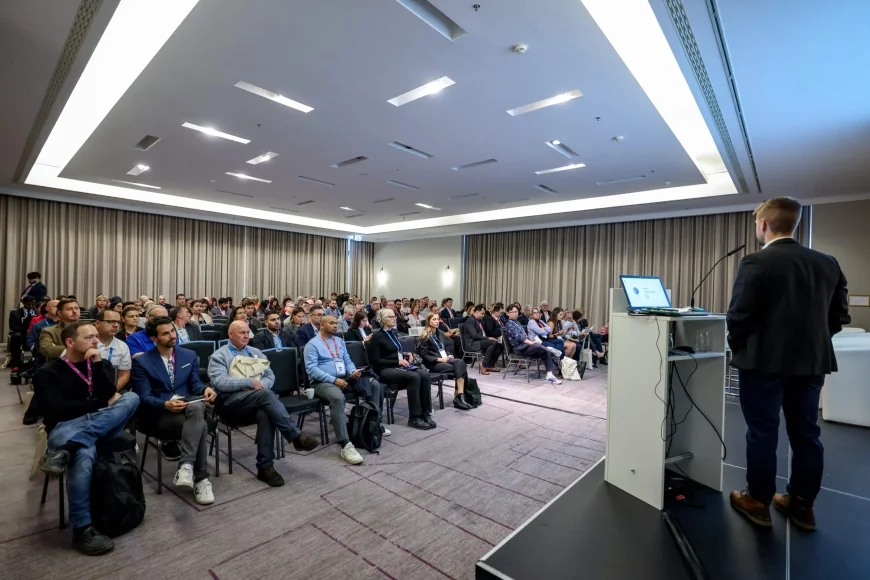
Since its inception in 1995, ICEF Berlin has connected students, institutions, and agents worldwide, playing a pivotal role in fostering cross-border educational partnerships. “With 30 years behind us, the sector faces a new challenge: building better systems and standards to ensure transparency, compliance, and student welfare,” Badde said.
From Modest Beginnings to Global Expansion
In the 1990s, international education was limited. Students primarily traveled to the UK and the US for tertiary studies or exchanges, with short-term language programs within Europe forming the majority of international study experiences. Over time, student mobility grew exponentially, generating soft power, economic benefits, and intercultural understanding.
By 2002, roughly 2.5 million students studied abroad globally, with more than a third from China. By 2023, that number had nearly tripled to 7 million international students, reflecting a 176% increase. Beyond revenue, international students drive research and innovation, particularly in science and engineering, where they contribute to high-impact publications and pioneering start-ups.
The economic impact is substantial: international student spending contributed US$52.2 billion to the UK economy and US$26.5 billion to Canada in 2021/22, and in 2023/24, US$32.7 billion in Australia and US$43.8 billion in the United States. Equally important is the cultural and diplomatic value: students return home as ambassadors, forming lasting networks and fostering global understanding.
The Human Infrastructure: Agents at the Core
Education agents have been critical to the industry’s growth, guiding families through complex admissions processes and helping universities access diverse markets. They serve as counselors, logistics experts, and cross-cultural guides.
Emerging regulatory frameworks, including the UK’s Agent Quality Framework and Canada’s pending federal registry, aim to raise professional standards but must balance oversight with access to diverse agents. Badde emphasizes that excessive centralization could reduce student choice and marginalize local experts.
Tools and Frameworks for Compliance and Quality
ICEF has developed a suite of tools to support integrity and transparency in international education:
-
ICEF Agency Status (IAS): Recognizes over 2,300 accredited agencies in 130 countries, setting a global benchmark for ethical and operational standards.
-
ICEF Due Diligent: Uses AI-powered analytics and real-time data to monitor agent partners, identifying risks through regulatory sanctions, legal filings, and social media activity.
-
ICEF Train Your Agents: Provides structured, multilingual training for agents and sub-agents, ensuring consistent understanding of institutional offerings, admissions processes, ethical standards, and compliance requirements.
These platforms emphasize empowerment over policing, helping educators and agents uphold professional standards while expanding opportunities responsibly.
The Next Era: Trust and Responsible Growth
“The next thirty years will belong to those who recruit globally and act responsibly,” Badde said. Collaboration between governments, institutions, and quality assurance agencies will be essential.
International education’s core remains students. Frameworks and partnerships must safeguard their ambitions while supporting agents and institutions in delivering ethical, transparent, and high-quality services. Those who embrace trust, accountability, and innovation will lead the sector forward in the decades to come.