






















































































































Tanzania’s president re-elected with over 97% of votes amid crackdown and democracy fears
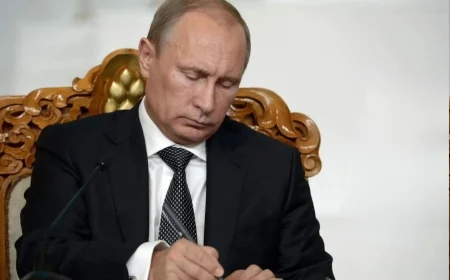
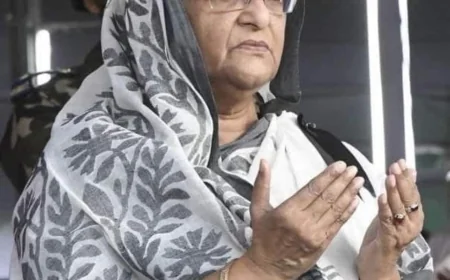
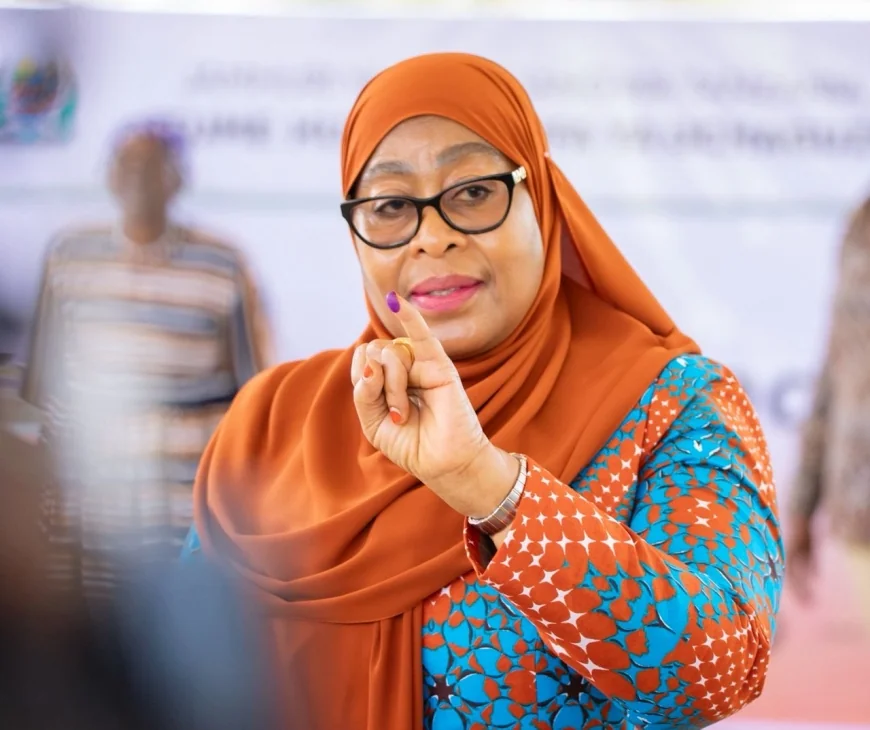
Dodoma — Tanzanian president Samia Suluhu Hassan has secured a landslide victory, winning over 97% of the vote, according to official results released Tuesday. While the result cements her second term as the country’s first female leader, it has raised serious international concerns over the state of democracy in the East African nation.
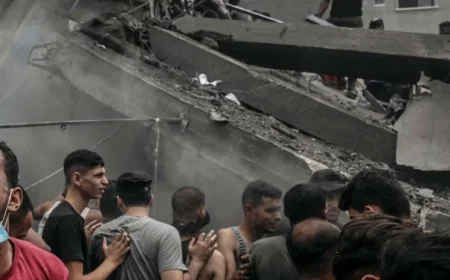
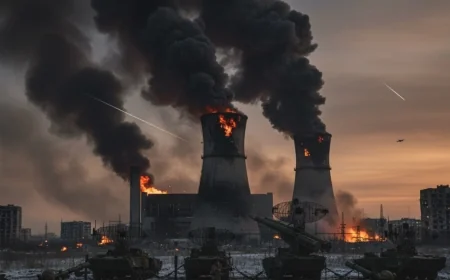
The October 29 election was marred by widespread violence, repeated internet blackouts, and heavy military deployment to suppress unrest.
Limited opposition and election irregularities
Observers reported that Hassan’s two main challengers were barred or prevented from running, leaving her to face only 16 minor party candidates with little political influence.
According to UN sources, at least 10 people were killed in clashes in Dar es Salaam and other cities. Opposition leader Tundu Lissu, head of the Chadema party, remains imprisoned on treason charges after calling for electoral reforms earlier this year.
International condemnation
UN secretary-general António Guterres said he was “deeply concerned” about the developments, while the United Kingdom, Canada, and Norway condemned what they called a “violent response by security forces to peaceful protests.”
Human rights groups have documented over 200 cases of enforced disappearances, extrajudicial killings, and arbitrary detentions since 2019. The government has also restricted free expression, banned the social media platform X (formerly Twitter), and limited access to independent digital outlets.
The International Crisis Group accused president Hassan of overseeing an “unprecedented crackdown on political opponents,” ruling with an increasingly authoritarian style that contrasts with her predecessors’ relative tolerance of dissent.
A ruling party unbroken since independence
The Chama Cha Mapinduzi (CCM) party, in power since 1961, continues to dominate the state and security apparatus, maintaining close ties with the Chinese Communist Party. Hassan’s re-election extends the party’s unbroken one-party dominance, intensifying fears that Tanzania’s democratic space is shrinking.
While the president has pledged to ensure stability and economic growth, critics say her government has eroded political pluralism and stifled dissent, transforming Tanzania into a state with democratic appearances but authoritarian practices.