





















































































































Witnesses describe massacres and drone strikes as RSF seizes al-Fashir
AL-DABBA, Sudan, Nov 7 — Survivors who fled al-Fashir described streets littered with bodies, drone strikes on fleeing civilians and people crushed by speeding RSF vehicles during the Rapid Support Forces’ capture of one of Darfur’s largest cities, Reuters reported after interviewing displaced witnesses.
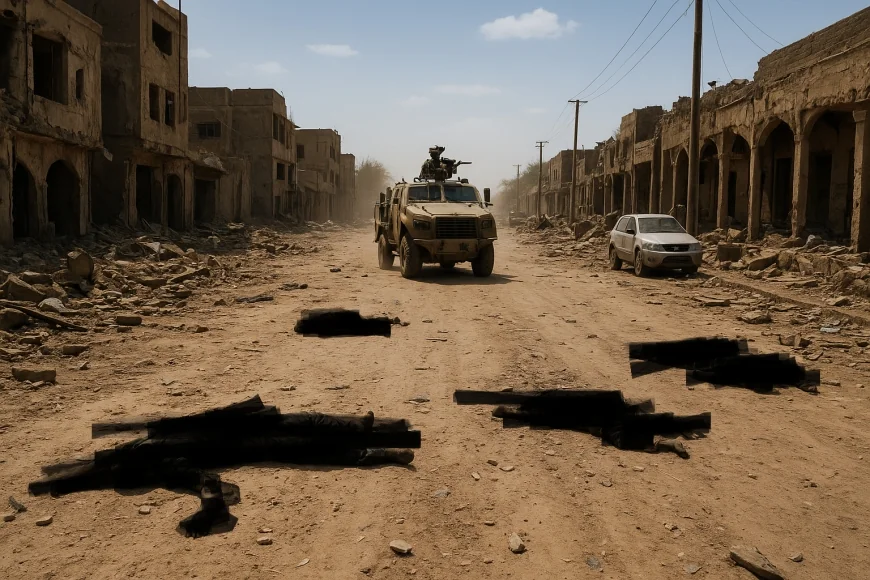
The fall of al-Fashir on Oct. 26 consolidated RSF control over much of Darfur in the two-and-a-half-year conflict with the Sudanese army. Video footage and reports of killings on the city’s outskirts and attacks on those trying to escape have prompted international concern, but the scale and character of violence inside the city have remained harder to document because telecommunications were cut during the offensive.
Three witnesses who reached al-Dabba — more than 1,000 km north — and one who fled to nearby Tawila told Reuters they saw RSF fighters open fire on groups of civilians attempting to flee heavy shelling. One witness, speaking from Tawila and requesting anonymity for fear of reprisals, said RSF trucks surrounded a group and “sprayed civilians with machine-gun fire and crushed them with their vehicles.” He added that some civilians were also abducted.
“Young people, elderly, children — they ran them over,” the witness said. Another survivor, identified as Mubarak in al-Dabba, said fighters raided residential areas after taking the army base and shot dozens in single streets. “Fifty or sixty people in a single street… they kill them bang, bang, bang,” he said, describing repeated killings as troops moved through neighbourhoods. Many elderly and injured residents who could not flee, he said, were killed at home.
Eyewitnesses also reported drones tracking and striking civilians, often targeting people gathered in groups or those on the move. Abdallah, another man who reached al-Dabba, said he saw about 40 bodies at one site in the city. Reuters could not independently verify these first-hand accounts, but they broadly align with reports from aid agencies, the United Nations and verified social media material.
Satellite imagery analysis from Yale’s Humanitarian Research Lab showed signs consistent with bodies in multiple parts of al-Fashir, as well as earth disturbances suggesting possible mass burials and the movement or disappearance of objects — findings that raised further alarm about the aftermath of the assault. Imagery also suggested the RSF had closed a main exit toward Garney, limiting escape routes.
The United Nations’ human rights chief, Volker Türk, warned that civilians remain trapped and expressed fear that summary executions, rape and ethnically motivated violence could be continuing inside the city. The RSF has said it accepted a U.S. and Arab powers’ proposal for a humanitarian ceasefire and indicated openness to talks on a cessation of hostilities, but fighting has continued: witnesses reported RSF drone attacks on Khartoum and Atbara the following morning.
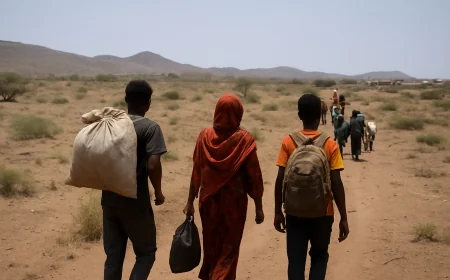
Those who managed to leave al-Fashir described perilous journeys marked by searches, disappearances of men, and kidnappings for ransom. Survivors spoke of beatings and executions witnessed before they fled. Umm Jumaa, who arrived in al-Dabba with four grandchildren, said two sons who were army soldiers and her daughter remained missing after she saw fighters beat civilians to death and urged assailants to “finish them off” if they were not yet dead.
Humanitarian agencies warn the conflict has deepened food insecurity in Darfur, creating pockets of famine and leaving large numbers of traumatised civilians in need of protection and aid. Previous ceasefire agreements between the RSF and the Sudanese army have repeatedly failed to hold, and international observers have called for urgent, unimpeded humanitarian access and independent investigations into alleged abuses.