































































































































US government shutdown reaches 40th day as Senate struggles for solution
The US government shutdown has reached its 40th day, disrupting critical services and leaving federal workers without pay, while the Senate struggles to find a bipartisan solution. Republican leaders are attempting to advance legislation that would reopen the government, but Democratic support is conditioned on a firm commitment to extend subsidies for Affordable Care Act (ACA) health plans, which are set to expire in January. Moderate senators are negotiating a compromise package that links reopening the government with a future vote on the ACA subsidies, but the plan faces skepticism from both Democratic leadership and President Donald Trump.
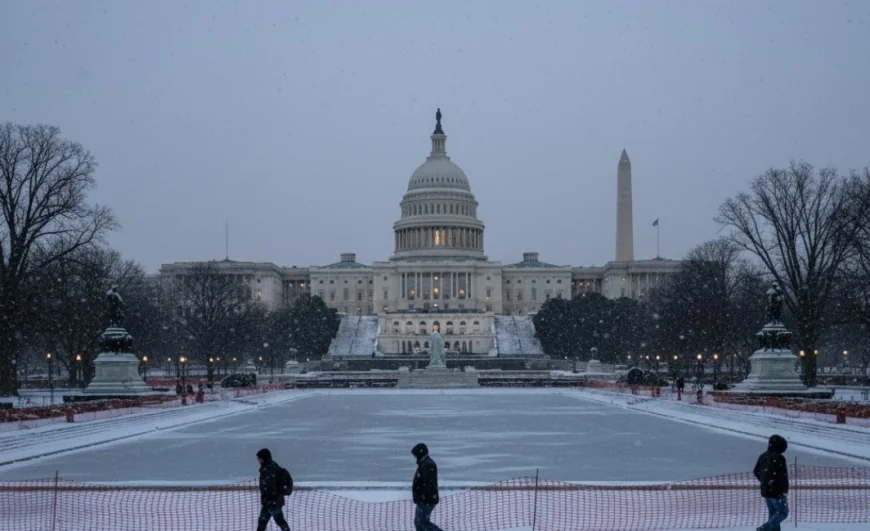
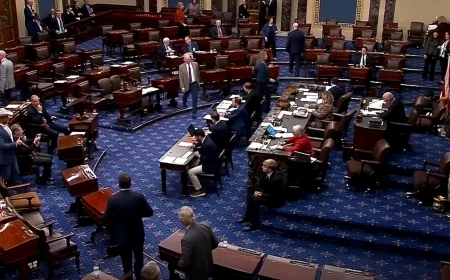
The United States government shutdown stretched into its 40th day on Sunday, continuing to disrupt national flights, threaten food assistance programs for millions, and leave federal workers unpaid. The Senate remained in session over the weekend in an effort to break the funding deadlock.
Republican leaders are hoping to secure enough votes to pass a new package of bills that would fund several parts of the government for the full year and extend funding for other departments into January. However, securing the necessary Democratic support remains a major obstacle. The Senate Majority Leader suggested they were only a "handful of votes away" from passing a bill to reopen the government.
The Health Care Sticking Point
Democratic leaders are strongly advocating for an extension of the enhanced subsidies provided for health plans under the Affordable Care Act (ACA) marketplace. If these COVID-19-era subsidies are allowed to lapse, premiums for those enrolled in ACA exchanges are expected to more than double next year.
Republicans have rejected extending the subsidies outright but have signaled openness to an emerging proposal from a small group of moderate Democrats. This compromise would end the government shutdown in exchange for a later, guaranteed vote on the ACA subsidies.
Senator Bernie Sanders, an independent who caucuses with Democrats, called the promise of a future vote a "wasteful gesture" without a firm commitment from the House Speaker and the President that they would support the extension. President Donald Trump has made clear he is unlikely to compromise soon and has repeatedly urged Republicans to eliminate the Senate filibuster, which requires 60 votes to advance most legislation.
Moderates Seek Compromise
Senator Jeanne Shaheen and other moderates from both parties have been discussing bills that would provide full funding for select parts of government—such as food aid and veterans programs—while extending funding for the rest until December or January. This agreement is contingent only on the promise of a future health care vote, not a guaranteed extension of the subsidies.
The plan's success is uncertain. House Speaker Mike Johnson said recently he would not commit to a health care vote, and President Trump appears unlikely to support an extension of the health benefits. Republicans require only five additional votes to pass a funding bill, and the negotiating group includes up to 12 Democratic senators.
Some Republicans have expressed openness to extending the tax credits but insist on imposing new limits on who can receive them. Senator Lindsey Graham argued that the current system should be replaced with something "better for the consumer," with subsidies routed through individuals.
The Path Forward
Republican leadership is considering a bipartisan package that closely mirrors the moderate Democrats’ proposal. This new package would replace the current legislation, which Democrats have rejected multiple times since the shutdown began in October, as it only extends funding until November 21.
A test vote on new legislation could occur in the next few days, forcing Democrats to make a crucial choice: prolong the shutdown while fighting for a meaningful deal on extending the subsidies, or vote to reopen the government based on an eventual, but non-guaranteed, health care vote promise.
Senate Democratic Leader Chuck Schumer stressed that failure to act on the subsidies is "derelict," warning that without an extension, people will face bankruptcy, lose insurance, and get sicker.