

































































































































Russia uses Chinese-made turbojet engines for glide bombs as war intensifies
Russia has begun using Chinese-made turbojet engines to upgrade its Soviet-era "dumb bombs" into guided glide bombs capable of hitting targets up to 200 kilometers away, effectively creating a cheap substitute for a cruise missile. Concurrently, Ukraine launched drone strikes against energy facilities in Russia’s Vladimir and Oryol regions. Meanwhile, a study of the frontline shows Russia's slow but successful 21-month effort to advance from Avdiivka into Pokrovsk, achieved largely by overwhelming Ukrainian drone capabilities.
Russia Upgrades Bombs with Chinese Engines
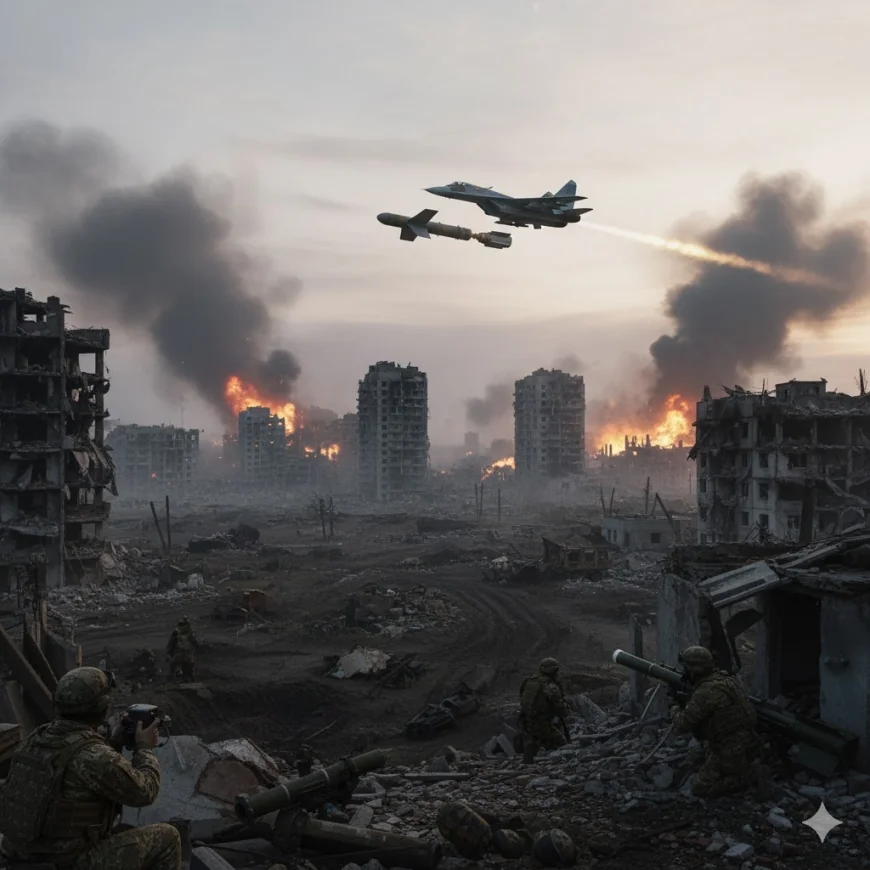
Russia is modernizing its Soviet-era munitions, converting them into powerful glide bombs capable of striking Ukrainian targets deep behind the frontlines. This upgrade includes fitting some of the projectiles with Chinese-made turbojet engines, a move that significantly extends their range.
Retrofitted bombs, known as KABs, recently hit targets in the southern Ukrainian regions of Odesa and Mykolayiv, as well as the eastern region of Poltava. Previously, these guided projectiles, launched from Russian Su-34 jets, had a maximum range of 80 kilometers. With the addition of a jet engine, their range can now extend up to 200 kilometers.
Evidence from impacted munitions shows a Chinese-made turbojet engine that is reportedly available for purchase on commercial websites. Military experts suggest these new weapons function as a "cheap substitute for a cruise missile," being aimed at energy infrastructure and military targets.
The jet engines are the latest enhancement to the KAB arsenal. In 2023, Russian forces began fitting the "dumb bombs" with wings and guidance kits, allowing them to glide dozens of kilometers. Another jet-powered model in use is the Grom-E1. While the flight characteristics of these bombs can be compared to a cruise missile, military spokespersons note that their use is not yet widespread as the enemy tests them in combat conditions.
The addition of jet engines has drawbacks, limiting the bombs to smaller payloads of up to 250 kilograms. The engine may also only be used for part of the flight to provide a boost before the bomb glides to its target. The 200-kilometer range is practically limited by the fact that the launching jets must fly well within Russian-controlled territory to avoid being targeted by Ukrainian air defenses. The main benefit for Russia is the ability to launch the bombs from further behind the frontline, making the delivery aircraft less vulnerable to Ukrainian air defenses.
Although these bombs can be jammed with electronic warfare and shot down by anti-aircraft missiles, Ukraine's air defense is struggling to intercept massive waves of nightly drone and missile attacks that are causing power outages. Furthermore, Russian missile interception rates have declined, and Iranian-designed Shahed drones have also benefited from upgrades, allowing them to fly faster and at higher altitudes.
Ukraine Strikes Russian Energy Facilities
In response to Russian attacks, Ukrainian drones targeted energy facilities in Russia. Drones attacked an energy facility on the outskirts of the Russian city of Vladimir. Local authorities confirmed that emergency services were working at the site and urged residents to remain calm.
That same night, a combined heat and power plant in Oryol was targeted. Eyewitness accounts reported hearing a series of explosions near the heat and power plant, which is less than one kilometer from the Oryoltekmash military plant that manufactures equipment for military vehicles.
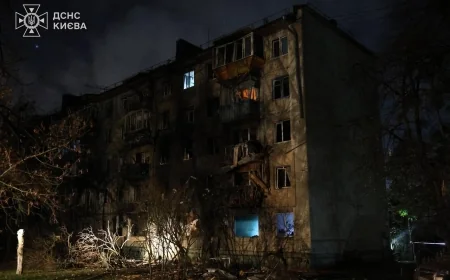
While the regional governor claimed all attacking drones were intercepted by air defense systems, with falling debris damaging homes, reports suggest the attack was carried out using missiles. Earlier reports by the Ukrainian Navy indicated the use of Neptune cruise missiles to strike a distribution facility at the Oryol plant, cutting power across the city and surrounding region.
Russia’s Slow Advance into Pokrovsk
A battlefield analysis indicates that Russian forces took 21 months to advance 39 kilometers from Avdiivka to break through into the town of Pokrovsk. This advance is the culmination of a 21-month effort to seize the town and a five-month dedicated battlefield air interdiction (BAI) campaign to degrade Ukrainian defensive capabilities.
Russian forces have achieved gains in the Pokrovsk sector largely by deliberately targeting Ukrainian drone capabilities. Russian infiltration groups are reportedly overwhelming Ukrainian positions, preventing drone operators from having time to launch their equipment and engaging drone crews in close combat. The combination of Russian ground tactics and BAI effects has made it extremely difficult for Ukrainian forces to operate drones.
The 39-kilometer advance began after the seizure of Avdiivka. Initial direct frontal assaults failed, leading Russian forces to shift to an envelopment campaign. Successful Ukrainian drone operations largely stymied Russian advances for nearly a year.
Russian forces began achieving partial BAI effects against Ukrainian ground lines of communication (GLOCs) in the area in July, effectively denying Ukraine the ability to use Pokrovsk as a logistics hub. This was enabled by technical innovations, such as first person view (FPV) drones with increased ranges, thermobaric warheads, and "sleeper" or "waiter" drones placed along GLOCs to restrict Ukrainian movements, evacuations, and logistics.
Despite the penetration into Pokrovsk, these BAI efforts have not proven as effective across the entire frontline. The urban environment in Pokrovsk has provided unique cover for Russian infiltration groups. To replicate the success elsewhere, Russia would likely need to commit to years-long, resource-intensive ground operations and BAI implementation. Reports confirm that Russian forces continue advancing through the northwestern, northern, and northeastern parts of Pokrovsk.