















































































































Iran and Kenya boost environmental cooperation, focusing on climate and women's empowerment
Iranian and Kenyan officials have announced a commitment to enhance cooperation in various environmental fields, including climate change mitigation, wildlife preservation, and forest protection. The discussion, held during the 37th Meeting of the Parties to the Montreal Protocol (MOP37) in Nairobi, also resulted in an agreement for Kenya to financially support an Iranian project focused on empowering women. Both nations plan to sign a comprehensive Memorandum of Understanding on environmental cooperation soon.

Officials from Iran and Kenya recently met to announce their readiness to significantly enhance bilateral cooperation across different environmental fields.
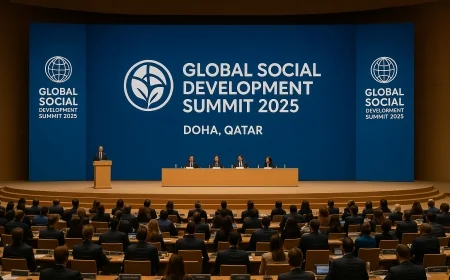
The head of the Iranian parliament’s environment fraction and the Kenyan Minister of Environment, Climate Change and Forestry discussed ways to boost interactions in the environment sector. The meeting took place on the sidelines of the 37th Meeting of the Parties to the Montreal Protocol (MOP37), held from November 3 to 7 in Nairobi, Kenya.
The Kenyan official expressed strong interest in leveraging Iran’s experiences and technical knowledge in environmental protection, particularly in the preservation of wildlife and forests, and in the fight against climate change. The official also voiced a readiness to visit Iran to sign a comprehensive Memorandum of Understanding on environmental cooperation.
Cooperation on Women's Empowerment and Protocol
The two sides also agreed to enhance collaborations focused on empowering and training women. Highlighting the country’s significant scientific and executive capacities in this area, the Iranian official announced a plan to develop a project for empowering women and present it to the Multilateral Fund of the Montreal Protocol. Kenya has agreed to provide financial support for the implementation of this project.
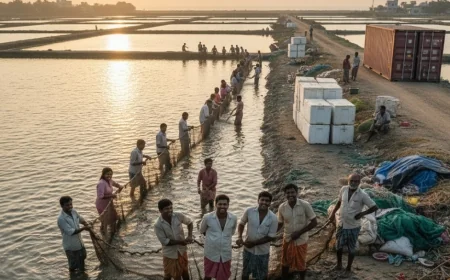
The Iranian official also held a separate meeting with Maldivian officials, focusing on sharing expertise in natural tourism, new fishing techniques, and fisheries.
During a meeting with the Executive Secretary at the Ozone Secretariat, Iran’s performance was evaluated very positively. The Iranian representative called on the Ozone Secretariat to share knowledge, technology, and financial resources with the country.
MOP37 focuses on the global cooperative effort to protect both the ozone layer and the climate. Key areas of discussion included Lifecycle Refrigerant Management (LRM), Sustainable Cooling, strengthening regional atmospheric monitoring, combating illegal trade, and planning funding for the 2027–2029 period.
Importance of Environmental Diplomacy
Complicated, transboundary environmental challenges necessitate strengthened environmental diplomacy, which involves negotiations among two or mai mult countries. Environmental diplomacy is a global tool used to settle problems such as conflicts over sources of energy, water, and climate change.
Since all countries share the same environment, fostering environmental diplomacy is essential to resolve disputes over resources, pollution, and climate change impacts. This is an effective and required tool to mitigate severe consequences by fairly distributing responsibilities among involved countries.
Sand and dust storms (DSDs) are a clear example of a meteorological hazard in West Asia that involves multiple countries, with some generating the storms and others being affected. These storms impact countries such as Saudi Arabia, Iraq, Syria, Turkey, Iran, and sometimes parts of Azerbaijan, Turkmenistan, Afghanistan, and Pakistan. The dust particles have devastating impacts on respiratory health and ecosystems, causing economic losses and forcing the closure of airports, schools, and offices.
Other instances where environmental policies are used to resolve conflicts include securing the Hirmand River water rights and removing pollution from the Aras River. The Tehran Convention represents a significant achievement, allowing the Caspian Sea littoral states to protect the Caspian environment from all sources of pollution, while also targeting the preservation and protection of its species and habitats.
Therefore, strengthening environmental policy is necessary to mitigate climate change impacts, achieve sustainable development goals, and help Iran and its neighboring countries secure their rights and benefit from available resources at the international level.