





















































































































Pakistan and Bangladesh sign six key agreements to deepen bilateral cooperation
Dhaka, Bangladesh — Pakistan and Bangladesh on Sunday signed six landmark agreements aimed at institutionalising and expanding cooperation across trade, education, diplomacy, media, and culture, marking a renewed chapter in relations between the two South Asian nations.
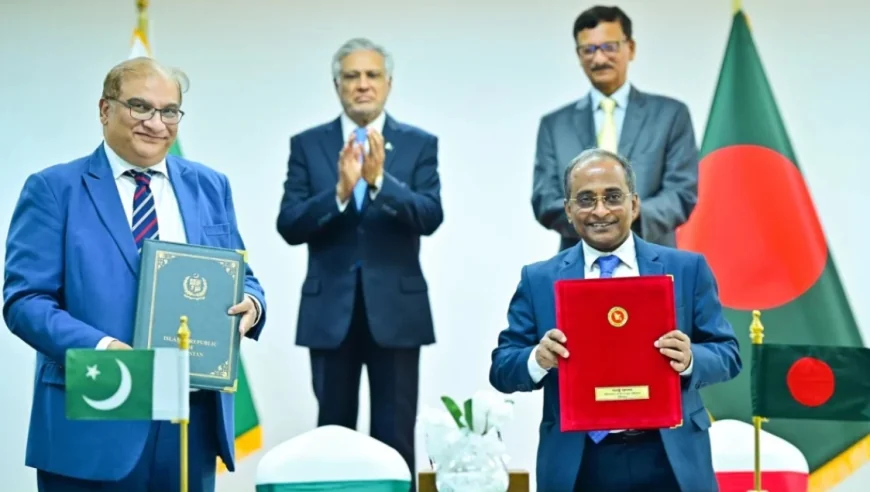
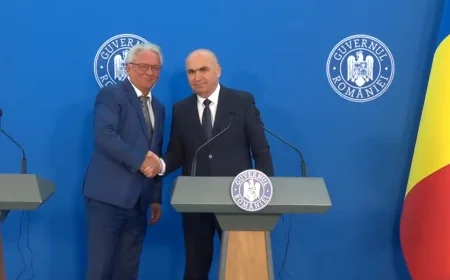
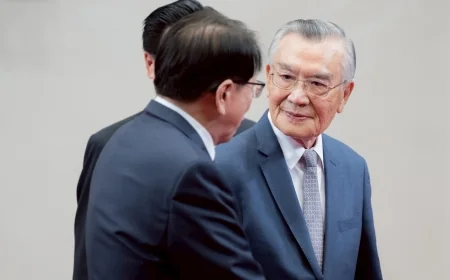
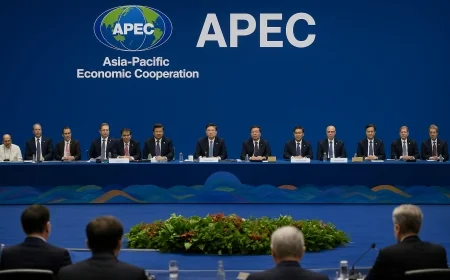
The signing ceremony took place in Dhaka following high-level delegation talks between Pakistan’s Deputy Prime Minister and Foreign Minister Muhammad Ishaq Dar and Bangladesh’s Foreign Adviser Md Touhid Hossain.
Dar’s two-day official visit, from August 23 to 24, is being hailed as a “significant milestone” by Pakistan’s Ministry of Foreign Affairs (MFA), as it marks the first visit by a Pakistani foreign minister to Bangladesh in 13 years.
Six ‘instruments’ signed to strengthen ties
According to Pakistan’s MFA Spokesperson Shafqat Ali Khan, the agreements — referred to as “instruments” — cover a broad range of sectors intended to solidify bilateral frameworks for long-term cooperation.
The signed documents include:
-
An Agreement on Visa Abolition for diplomatic and official passport holders.
-
An MoU on establishing a Joint Working Group on Trade.
-
An MoU between the Foreign Service Academies of Pakistan and Bangladesh to enhance diplomatic training and exchange programs.
-
An MoU between the Associated Press of Pakistan Corporation (APP) and Bangladesh Sangbad Sangstha (BSS) to promote media collaboration.
-
An MoU between the Institute of Strategic Studies Islamabad (ISSI) and the Bangladesh Institute of International and Strategic Studies (BIISS) for academic and policy research cooperation.
-
A Cultural Exchange Programme, aimed at promoting people-to-people contact and cultural understanding.
“These agreements will institutionalise and further strengthen the bilateral cooperation in trade and economics, training of diplomats, academic exchanges, media cooperation, and cultural exchange,” the MFA statement said.
‘Pakistan-Bangladesh Knowledge Corridor’ launched
Coinciding with the visit, Pakistan also unveiled a major new initiative — the “Pakistan-Bangladesh Knowledge Corridor” — to enhance educational and professional linkages between the two nations.
Under this programme, 500 scholarships will be offered to Bangladeshi students over the next five years to pursue higher education in Pakistan, with 25 percent reserved for medical studies.
In addition, Pakistan announced training opportunities for 100 Bangladeshi civil servants and an expansion of the Pakistan Technical Assistance Programme (PTAP), increasing scholarships for Bangladeshi students from five to twenty-five per year.
“Pakistan is pleased to launch the Pakistan-Bangladesh Knowledge Corridor,” the MFA said in a statement. “This initiative underscores our commitment to strengthening educational cooperation and people-to-people ties between our two nations.”
Diplomatic significance
Dar’s visit comes amid a gradual thaw in relations between the two countries, which have shared a complex history since Bangladesh’s independence in 1971. The agreements signal a mutual willingness to move toward pragmatic cooperation in areas of shared interest, particularly trade, education, and regional stability.
The visit is seen by observers as part of Islamabad’s broader diplomatic outreach in South Asia, aimed at rebuilding regional partnerships and expanding soft diplomacy through academic and cultural engagement.