


































































































































Super Typhoon Fung-wong forces mass evacuation across Philippines
More than one million people have been evacuated across the Philippines as Super Typhoon Fung-wong (known locally as “Uwan”) bears down on the archipelago. The storm, packing sustained winds of 185 kilometers per hour, has already caused flash flooding and fatalities. The massive weather system, which covers nearly two-thirds of the country, is expected to make landfall over the northern province of Aurora, intensifying a crisis compounded by the devastation left by Typhoon Kalmaegi earlier in the week.
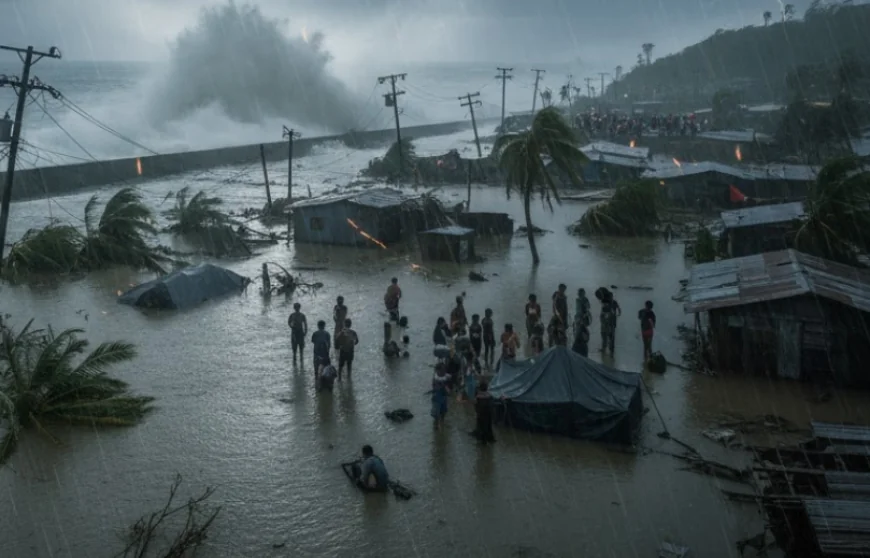
More than one million people across the eastern, central, and northern provinces of the Philippines have been evacuated as Super Typhoon Fung-wong (locally known as “Uwan”) bears down on the archipelago.
The massive weather system intensified into a super typhoon early Sunday, packing sustained winds of up to 185 kilometers per hour (115 miles per hour) and gusts reaching 230 kilometers per hour (143 miles per hour). The storm spans roughly 1,600 kilometers, making it large enough to cover nearly two-thirds of the country.
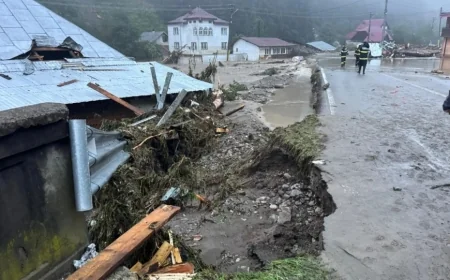
At least two people have died amid flash flooding already caused by the storm: one in the town of Viga in Catanduanes province and another in Catbalogan City in Samar province.
Catastrophic Conditions Expected
The weather bureau has warned of storm surges reaching up to five meters along coastal areas, as well as life-threatening flash floods and landslides in mountainous regions. The storm is expected to make landfall over the northern province of Aurora late Sunday or early Monday, with outer rain bands already lashing eastern provinces.
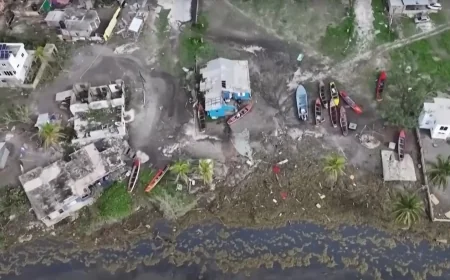
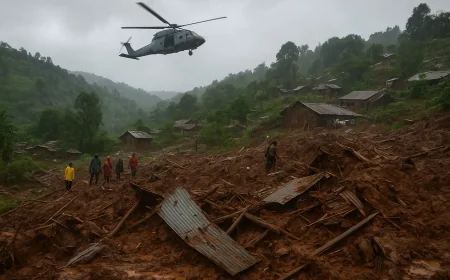
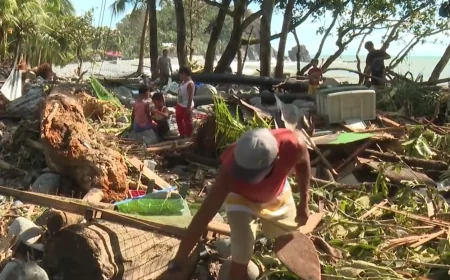
The developing crisis comes as the nation is still recovering from Typhoon Kalmaegi, which struck the central provinces earlier in the week, leaving at least 224 people dead and causing widespread destruction.
President Ferdinand Marcos Jr. has declared a national state of emergency to accelerate aid, evacuation, and disaster-response operations. Schools and government offices in northern provinces will remain closed through Tuesday. More than 300 domestic and 60 international flights have been canceled, and several airports and seaports have suspended operations as a precaution.
Power outages have been reported across parts of the eastern provinces. Maritime authorities have grounded all vessels in at least 109 ports to prevent accidents.
Disaster Preparedness and Climate Risk
The Defense Secretary urged citizens to comply with evacuation orders and prepare for potentially catastrophic conditions, warning that rescue operations become extremely difficult once flooding has begun. Authorities estimate that more than 30 million people could be exposed to storm-related hazards in the coming days. Relief teams and emergency shelters have been placed on high alert, particularly in Cebu, Aurora, and the Manila region.
Climate scientists have warned that such extreme weather events are becoming increasingly frequent and severe due to global warming and human-induced climate change.
The Philippines is one of the world’s most disaster-prone countries, experiencing an average of 20 tropical cyclones each year. A tragic reminder of the nation’s vulnerability occurred in November 2013, when Super Typhoon Haiyan—one of the strongest storms ever recorded—killed more than 6,300 people.