






















































































































Hurricane Melissa Leaves Jamaica Devastated in Strongest Cyclone in Nearly 200 Years
Hurricane Melissa, the most intense tropical cyclone to strike Jamaica in almost two centuries, has left a trail of widespread destruction across the Caribbean, with Cuba also reeling from the storm’s impact. Scientists have linked the storm’s rapid intensification to human-driven climate change, highlighting the growing risks posed by warming oceans.
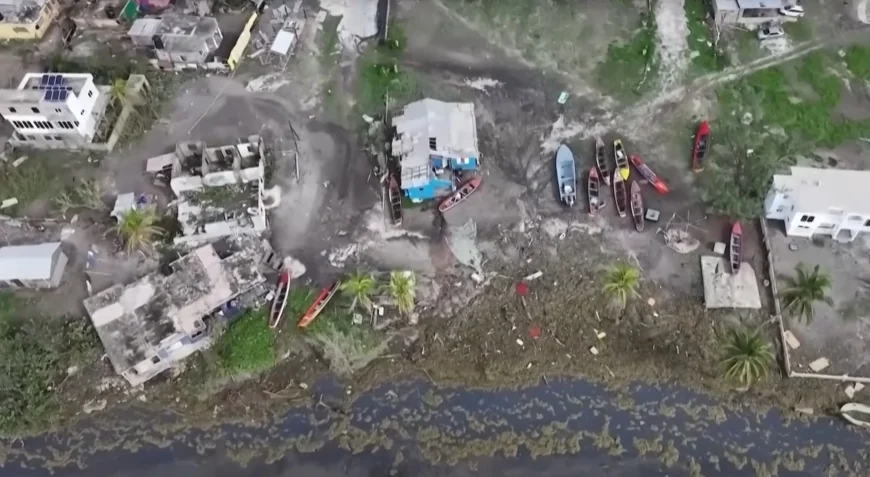
Catastrophic impact on Jamaica
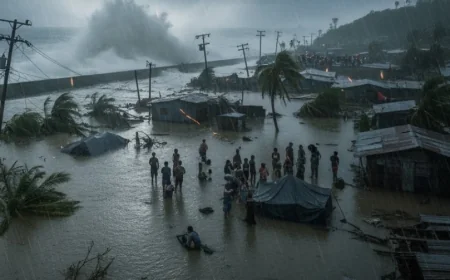
Melissa made landfall as a category 5 hurricane, with sustained winds reaching 185 mph (298 km/h). Even after being downgraded to category 3, the storm remained extremely dangerous, uprooting trees, destroying roofs, flipping cars, and flooding neighborhoods.
Jamaica’s Prime Minister, Andrew Holness, declared a disaster, granting authorities powers for mandatory evacuations and measures to prevent price gouging. Close to 15,000 people were sheltered, and more than 530,000 residents were without electricity in a country of 2.8 million.
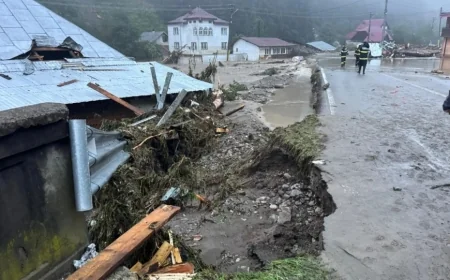
Western Jamaica was hardest hit as the storm moved slowly across the island, leaving widespread structural damage. Desmond McKenzie, Minister of Local Government, described Melissa as “one of the worst experiences that [Jamaica] has ever encountered,” noting that the country’s infrastructure has been severely compromised.
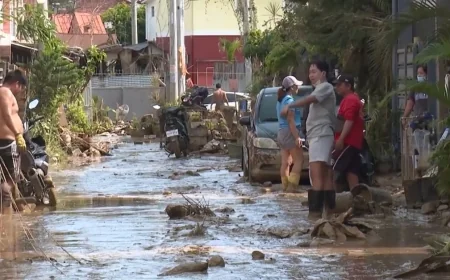
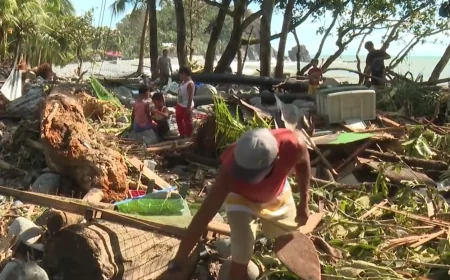
Residents in towns like Mandeville and Clarendon recounted harrowing experiences. Homes lost roofs, streets were blocked by debris, and businesses were heavily damaged. Janet Lewis, a shop owner from Clarendon, said, “Jamaica needs help… the rain and strong winds just took the roof off my house and shop.”
Regional effects
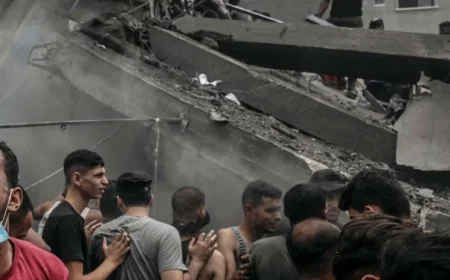
Melissa’s reach extended beyond Jamaica. In Haiti, flooding from overflowing rivers killed at least 25 people in the town of Petit-Goâve, with dozens of homes collapsed and residents trapped. Authorities in the Dominican Republic reported four deaths, with one person missing.
Response and relief efforts
UN and Red Cross officials described the devastation as unprecedented. Dennis Zulu, the UN resident coordinator in Jamaica, warned of “tremendous, unprecedented devastation,” while Alexander Pendry of the British Red Cross called it an “unprecedented catastrophe” for the island.
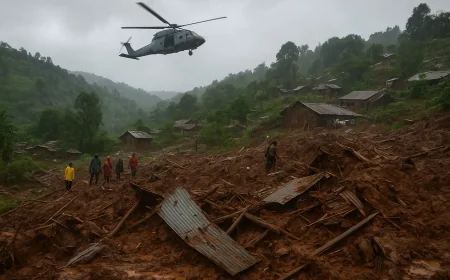
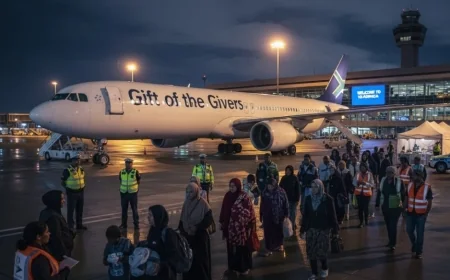
Authorities were working to reopen airports quickly to facilitate humanitarian aid, with relief flights expected to land as early as Thursday. Jamaica’s Transport Minister, Daryl Vaz, stressed the urgency, saying, “Every hour is an hour lost, and we don’t have the time.”
Impact on Cuba and the Bahamas
Melissa made landfall on Cuba’s southern coast, with President Miguel Díaz-Canel reporting extensive damage. Over 735,000 residents were evacuated in anticipation of catastrophic effects in Santiago de Cuba. Windows were shattered in major hotels, roofs were blown away, and flooding was widespread. The hurricane was expected to move toward the Bahamas, still carrying 100 mph winds.
Climate implications
The rapid intensification of Hurricane Melissa, which saw winds double from 70 mph to 140 mph within 24 hours, underscores the role of climate change in increasing storm intensity. Caribbean leaders are calling for international aid, reparations, and debt relief from high-polluting countries to support recovery and resilience in island nations.
Hurricane Melissa’s unprecedented strength and regional impact serve as a stark reminder of the urgent need for climate action and disaster preparedness in vulnerable nations.