
























































































































Tech Optimism and Rate-Cut Expectations Could Propel U.S. Markets into 2026
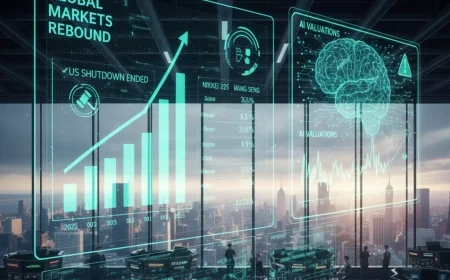
U.S. capital markets may see continued strength over the next 12 months, driven by bullishness around AI and technology stocks, alongside expectations of falling interest rates, strategists say.
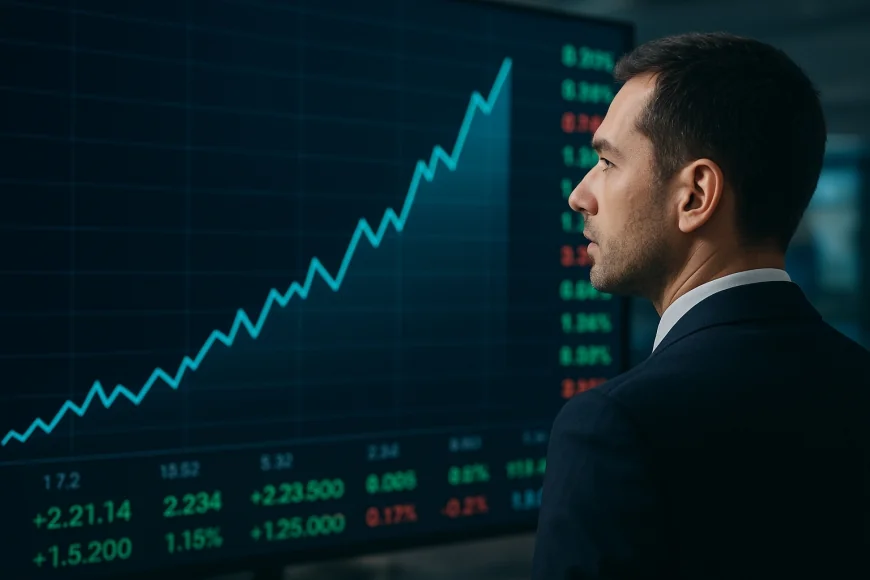
The so-called “Magnificent 7” tech stocks remain in favor with investors, posting strong earnings that have helped the Nasdaq and S&P 500 rise approximately 15% and 12%, respectively, as of mid-October. Analysts suggest the rally could persist, provided there are no unexpected shifts in monetary policy, worsening economic conditions, or major unforeseen events.
“The train is not stopping,” said Greg Benhaim, head of product and trading at crypto investor 3iQ. He noted that quantitative easing and ample liquidity are encouraging investors to pour billions into diverse assets, from real estate and cryptocurrencies to the Mag 7.
Benhaim highlighted the U.S. dollar’s weakness as a key driver behind a strong gold rally, which has climbed 51% this year compared with the S&P 500’s 11.7% gain. “There is huge demand for protection against currency debasement, including the U.S. dollar, which has depreciated 10% in the past year,” he said.
The analyst also expects bitcoin—often called “digital gold”—to benefit from a broader de-dollarization trend, particularly if Washington continues issuing bonds that deepen the nation’s $38 trillion debt. This dynamic could weigh on equities but bolster alternative assets.
Digital currencies are gaining traction amid evolving regulations. Bitcoin hit a record high of $125,000 on October 5, while a growing number of companies are issuing treasuries to hold multiple cryptocurrencies. A high-profile example is Eightco, backed by Wedbush analyst Dan Ives, which holds Sam Altman’s Worldcoin venture.
The crypto derivatives market is also expanding. CME Group reported Q3 crypto futures and options volumes exceeding $900 billion, marking an all-time high. To meet investor demand, CME Group plans to launch 24/7 trading for crypto futures and options in early 2026.
Beyond the Magnificent 7
Wall Street’s tech optimism extends beyond the Mag 7. Deborah Fuhr, managing partner at ETF research firm ETFGI, said continued enthusiasm for tech stocks and expectations of Fed rate cuts could drive further gains.
“Many expect the U.S. to continue outperforming, especially large-cap names,” Fuhr said, though she cautioned that AI and tech stocks are trading at historically high valuations. “Q3 earnings will be key to assess reality versus expectations.”
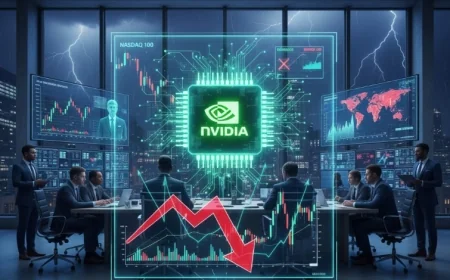
Investors remain heavily invested in the Mag 7, led by AI chip giant Nvidia, up roughly 36% year-to-date, and followed by Google, Microsoft, and Meta, each gaining more than 20%. Apple, Amazon, and Tesla have lagged, with gains of just 1%–3%, amid concerns over their AI competitiveness.
These tech firms are investing heavily in AI infrastructure, aiming to leverage generative AI, chatbots, and other enterprise applications. Fuhr recommends a diversified approach, considering tech companies benefiting from AI but not fully dependent on it, including Palantir, Oracle, Adobe, Salesforce, Broadcom, AMD, and Netflix.
AI Bubble Concerns and Caution
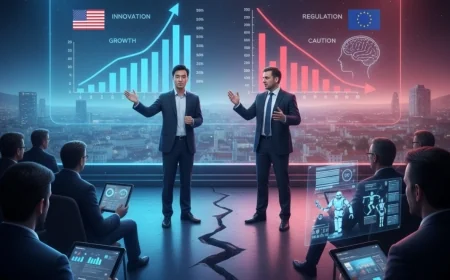
Some analysts question the sustainability of the current AI boom. Fuhr does not foresee a bubble akin to the 2000 dot-com crash, noting that AI has broad applications across industries. “These companies have diverse earnings streams,” she said.
Others, like Matthew Tuttle of Tuttle Capital Management, warn that an AI tech bubble could emerge within 12 months, especially if investment in unproven startups slows. “We need to keep an eye on capex—when spending declines, that’s when it could get risky,” he said.
Defensive Plays and Market Risks
For investors seeking safer returns, Eddy Elfenbein of Advisor Shares points to defensive sectors such as utilities, consumer staples, and healthcare, which could offer opportunities after a weaker 2025 performance.
Sector futures and options are gaining relevance for managing specific equity risks, with year-to-date average daily volumes up 23% from 2024. Q3 earnings, which began in mid-October, are expected to show the Mag 7 grew at half the pace of Q2, though analysts remain open to surprises.
Elfenbein emphasized monitoring companies’ capital expenditures and hiring plans, indicators that can signal shifts in business momentum amid a softening labor market.
Geopolitical and trade risks remain influential. The ongoing Russia-Ukraine war continues to pose uncertainties, while renewed U.S.-China trade tensions—highlighted by former President Trump’s proposal for a 100% tariff on certain Chinese goods—have temporarily spooked markets. Wedbush’s Ives suggested buying the dip, expecting tech stocks could gain another 7% by year-end.
Ultimately, while AI excitement and anticipated rate cuts are supporting market optimism, elevated valuations and geopolitical pressures mean investors will closely watch this earnings season for signs of both opportunity and risk.