























































































Munduruku people demand to speak to Brazil’s president, saying they are never listened to
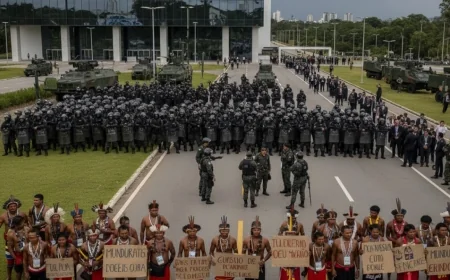
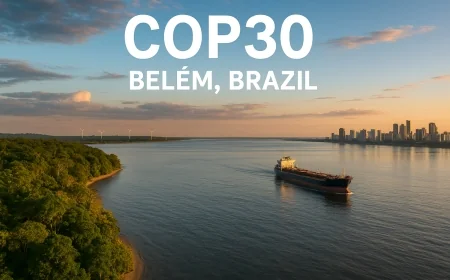
Protesters blockaded the main entrance to the COP30 climate conference for several hours early on Friday morning, demanding to speak to Brazil’s president, Luiz Inácio Lula da Silva, about the plight of the country’s Indigenous peoples.

About 50 people from the Munduruku people in the Amazon basin blocked the entrance, supported by international green groups. “We demand the presence of President Lula, but unfortunately we are unable to do so, as always,” said one of the protesters. “We were always barred, we were never listened to.”
The group eventually met with André Corrêa do Lago, the COP president, who spent more than an hour listening and talking to their representatives. The blockade caused long queues and forced delegates to use a small side entrance.
Civil Society and the Amazonian COP
The protests are part of a surge of civil society activity at the Belém summit. For the first time in four years, the UN climate conference is being held in a democracy, and senior figures like UN Secretary-General António Guterres have encouraged the presence of Indigenous and other people’s organizations to balance the power of corporate lobbyists. Analysis has shown that one in every 25 participants at this year’s summit is a fossil fuel lobbyist.
Activists argue that the COP, held in the Amazon, provides a crucial forum to highlight environmental destruction. The demands from civil society include a call for a new formal body, the Belém Action Mechanism (BAM), to accelerate a “just transition” toward a low-carbon economy.
Raoni Metuktire, the leader of the Indigenous Kayapó people, stated that the first COP meeting in the Amazon can help the forest and criticized the government's recent announcement to approve oil exploration off the Amazon coast.
Activists noted that the ability to mobilize and protest in a democratic country allows them to collectively push for climate finance and support for adaptation, reflecting a spirit where the Global South is mass-led and Indigenous people are becoming part of the process in a way not possible in the Global North.