


























































































































Green sea turtles rebound: species upgraded from ‘endangered’ to ‘least concern’ after decades of conservation success
The green sea turtle, once on the brink of extinction, has officially recovered enough to be removed from the endangered species list, according to the International Union for Conservation of Nature (IUCN).
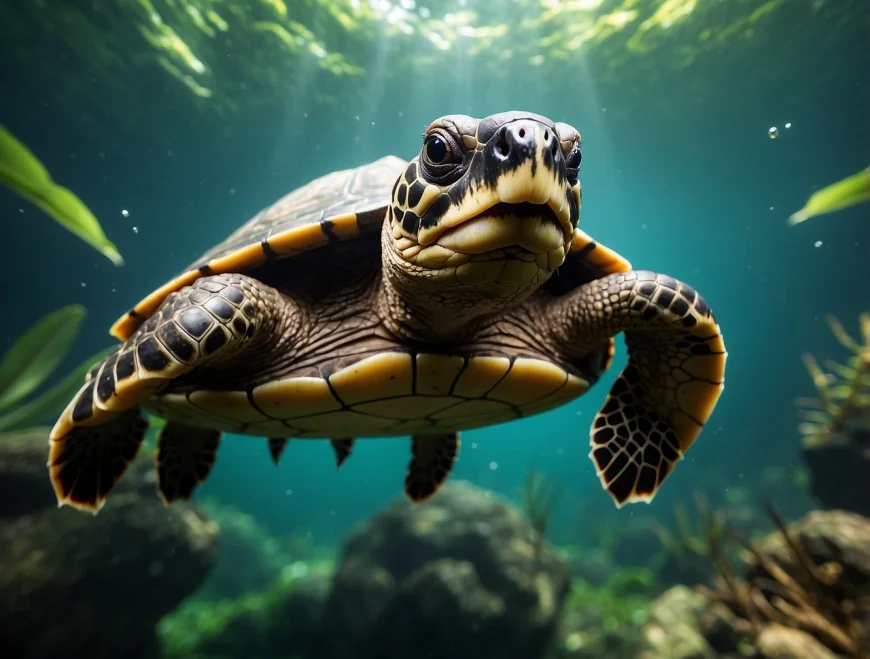
Announced during the IUCN World Conservation Congress in Abu Dhabi, the organization confirmed that the species’ conservation status has improved from “Endangered” to “Least Concern,” marking one of the most remarkable marine recovery stories in modern history.
A global recovery decades in the making
According to the IUCN, the global population of green sea turtles has increased by about 28% since the 1970s, thanks to decades of coordinated conservation efforts across nesting beaches, marine reserves, and fishing industries.
Found in tropical and subtropical waters around the world, green turtles play a keystone role in marine ecosystems such as seagrass meadows and coral reefs, maintaining ecological balance while holding cultural, spiritual, and economic importance for coastal communities.
Despite their recovery, the IUCN cautioned that some subpopulations remain at risk, particularly those in regions still affected by illegal hunting, egg collection, and habitat loss.
Global conservation milestones
The IUCN’s Red List of Threatened Species, established in 1964, serves as the world’s most comprehensive assessment of biodiversity health. The Red List evaluates more than 157,000 species and provides vital data to guide global conservation and policy efforts.
In its October 10 update, the IUCN credited sustained international efforts for the green turtle’s recovery, citing successful protection measures in Ascension Island, Brazil, Mexico, and Hawaii, where populations have rebounded to nearly pre-commercial levels.
Conservation strategies have focused on protecting nesting females and eggs, reducing bycatch through the use of Turtle Excluder Devices, and strengthening community-led initiatives to curb illegal trade and consumption.
Persistent threats and climate concerns
While progress is significant, green turtle populations remain well below historic levels due to ongoing threats from fisheries bycatch, illegal harvests, coastal development, and climate change.
The IUCN noted that rising temperatures and sea levels are already impacting nesting beaches, particularly at Raine Island, Australia, the world’s largest green turtle rookery, where hatchling production has sharply declined in recent years.
“Climate change is now one of the most significant long-term risks to green turtle recovery,” the organization said in its statement.
Conservation leaders hail success but urge vigilance
Roderic Mast, president of the Oceanic Society and co-chair of the IUCN Marine Turtle Specialist Group, praised the recovery as proof of what long-term, coordinated conservation can achieve.
“The ongoing global recovery of the green turtle is a powerful example of what decades of collaboration can accomplish,” Mast said. “But protecting turtles also means protecting healthy oceans — something essential for both marine life and humanity.”
Christine Madden, Global Marine Turtle Conservation Lead at the World Wildlife Fund (WWF), called the milestone a “major win” but emphasized the need for continued action.
“This shows that global cooperation can bring species back from the brink,” Madden said. “But we must not be complacent. Conservation efforts must continue wherever turtles remain threatened by entanglement, overfishing, and habitat loss.”
The IUCN concluded that the species’ success underscores how science-based policy, community participation, and international collaboration can turn the tide for even the most vulnerable wildlife.