



































































Putin proposes one-year extension of New START treaty, calls on U.S. to reciprocate
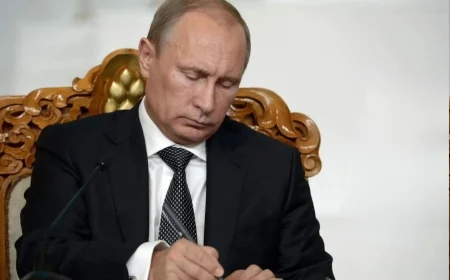
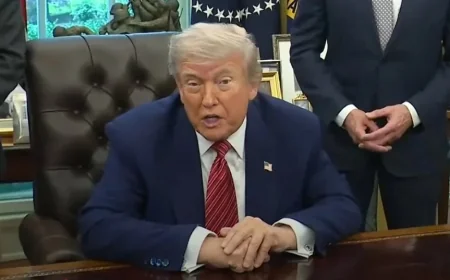
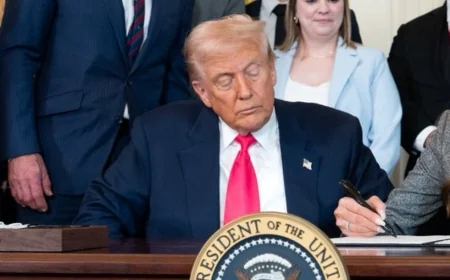
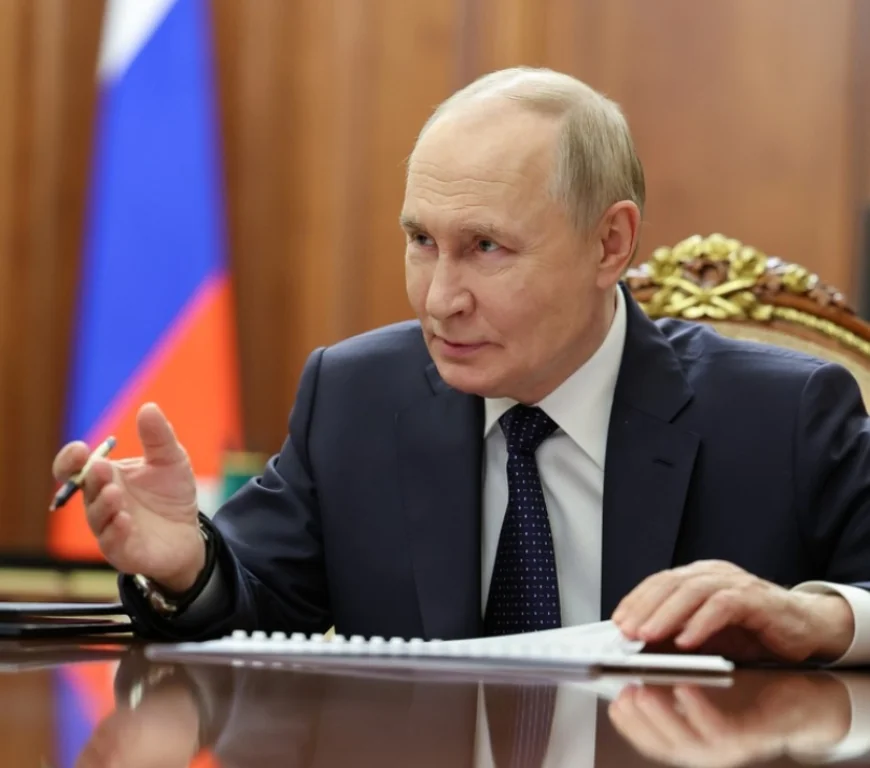
Moscow — Russian President Vladimir Putin has proposed a one-year extension of the New START nuclear arms control treaty, offering a temporary reprieve for the last remaining nuclear accord between the United States and Russia. The proposal, contingent on U.S. President Donald Trump’s agreement, seeks to preserve strategic stability and prevent the complete lapse of arms control mechanisms when the treaty expires in February 2026.
Putin offers limited extension to preserve global stability
Announcing the proposal, Putin described the move as a “voluntary measure” designed to maintain global nuclear stability while allowing both sides time to negotiate a broader, future framework. The New START treaty, signed in 2010 and extended once before, currently limits each country to 1,550 deployed nuclear warheads and 700 deployed missiles and bombers.
Putin emphasized that Moscow’s offer is conditional on Washington agreeing to the same terms and refraining from actions that could “undermine the existing balance of nuclear deterrence.”
“The goal,” Putin said, “is to prevent the disintegration of the international arms control architecture and to sustain mutual trust in the field of nuclear stability.”
A crucial window amid rising tensions
The New START treaty represents the last remaining arms control agreement between the world’s two largest nuclear powers following the collapse of the INF Treaty in 2019. Without an extension, both sides would lose key verification and inspection mechanisms that provide transparency into each other’s arsenals.
Analysts say the proposal offers a narrow but vital window to avoid a total collapse of arms control amid worsening geopolitical tensions, including the ongoing war in Ukraine and strained U.S.-Russia relations.
The extension could also keep open the possibility of future discussions, including Trump’s earlier proposal for a trilateral treaty involving China, which Moscow and Beijing have so far resisted.
Strategic and political implications
If accepted, the proposal would temporarily maintain nuclear parity between Moscow and Washington, preventing an immediate arms race. However, major obstacles remain — including deep disagreements over new strategic weapons systems, Ukraine, and China’s potential inclusion in future talks.
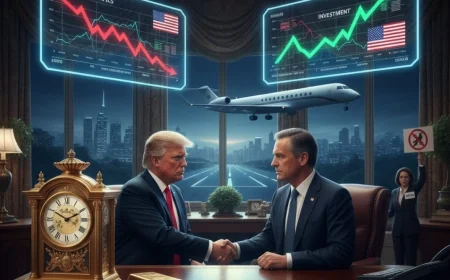
Putin’s public offer also puts political pressure on Washington, portraying Moscow as a responsible actor willing to uphold international stability while testing Trump’s willingness to engage diplomatically in the final months of his term.
Failure to extend the treaty, experts warn, could lead to an unrestricted buildup of nuclear forces and further erode the global non-proliferation regime, encouraging other nuclear states to expand their arsenals.
A rare diplomatic opening
Despite the deteriorating state of U.S.-Russia relations, Putin’s proposal is seen as a rare diplomatic overture. While largely symbolic, it may help avert a deeper strategic rift and keep dialogue alive in one of the most volatile periods of post-Cold War relations.
Whether Washington reciprocates will determine if the world’s two largest nuclear powers can maintain even a fragile framework of restraint — or if the next era of competition will unfold without limits.