





































































































Washington’s troop cuts in Eastern Europe spark NATO concern and bipartisan backlash in U.S. Congress
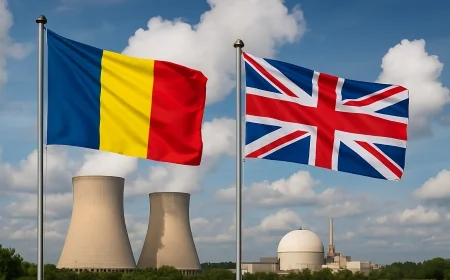
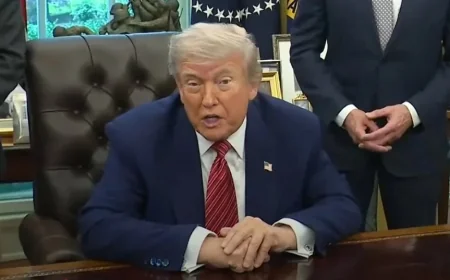
The United States is preparing to withdraw several thousand troops from Romania, Bulgaria, Hungary, and Slovakia by mid-December, marking the first stage of a wider recalibration of its military footprint in Eastern Europe. The move — part of the Trump administration’s decision to halt the rotational presence of U.S. forces in several NATO countries — has already triggered unease in Congress and among European allies, who fear it could embolden Moscow and weaken NATO’s deterrence posture.
A shift in U.S. strategy
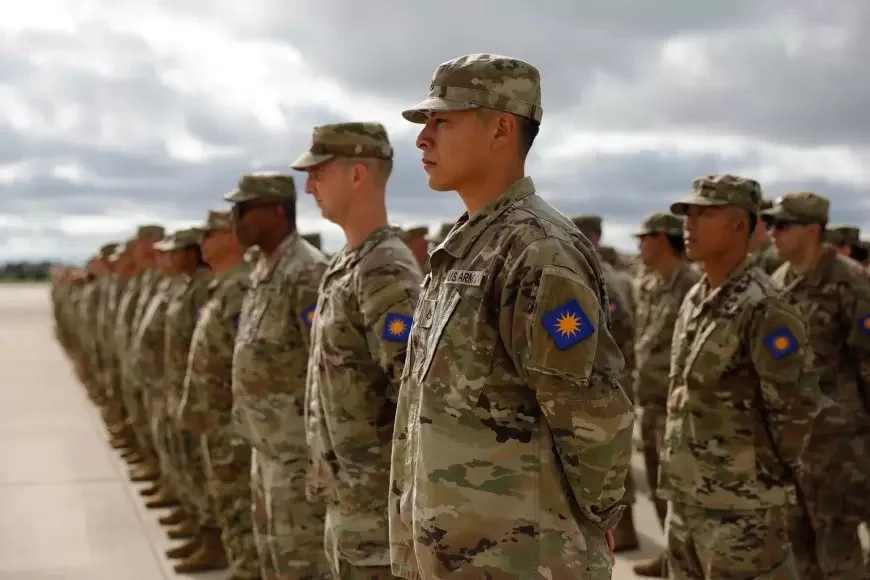
According to Kyiv Post, which first reported the upcoming withdrawals, and Stars and Stripes, roughly 3,000 American troops will be pulled out from the four countries in the coming weeks. U.S. officials, speaking on condition of anonymity, confirmed that allies were informed of the decision and warned that further adjustments may follow next year as part of a global force review.
The Pentagon described the reductions as “marginal”, insisting that U.S. troop levels in Poland and the Baltic states — the most fortified positions along NATO’s eastern flank — will remain unchanged. Officials cited the “robust defense spending” and close operational cooperation of these countries with U.S. forces as key reasons for maintaining a strong presence there.
At the same time, senior defense sources told Kyiv Post that the drawdown in Romania marks only “phase one”, to be followed by smaller reductions in Bulgaria, Hungary, and Slovakia by mid-December.
Mixed justifications and rising doubts
Two Western officials familiar with the internal discussions said the Pentagon views the cuts as a limited recalibration, arguing that several European armies are now better equipped and trained than in previous years. However, the timing — amid Russia’s continuing aggression in Ukraine — has alarmed diplomats and lawmakers on both sides of the Atlantic.
A U.S. diplomatic memo described the troop reductions as “symbolic but politically sensitive,” warning that they may be interpreted as wavering American commitment to NATO’s eastern flank.
Bipartisan criticism in Congress
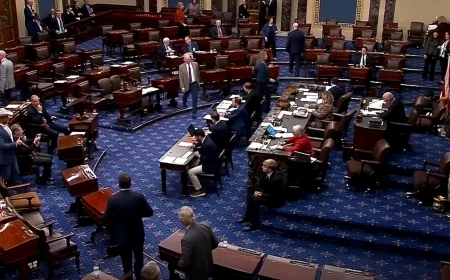
Both Republicans and Democrats have criticized the plan, warning it could embolden the Kremlin and undermine NATO unity.
Republican Congressman Mike Turner, head of the U.S. delegation to the NATO Parliamentary Assembly, voiced “deep concern” over the decision, calling for a “robust and unwavering” American military presence in Europe.
“Russia’s deliberate incursions into NATO airspace highlight its ambitions beyond Ukraine,” Turner said, adding that “supporting frontline allies like Romania is not just reassurance — it’s a matter of U.S. national security.”
Democratic Senator Jeanne Shaheen, a senior member of the Senate Foreign Relations Committee, condemned the move as “profoundly misguided,” warning it undermines both efforts to pressure Russian President Vladimir Putin and the capacity of European allies to defend themselves.
“This decision sends exactly the wrong signal to Vladimir Putin as he continues his brutal campaign in Ukraine and provokes NATO’s frontline states,” she said, describing Romania as a “model ally” that hosts U.S. troops and dedicates 5% of its GDP to defense.
Shaheen also questioned whether the decision had been fully coordinated within the administration, suggesting that Defense Secretary Pete Hegseth and Deputy Secretary Elbridge Colby may have acted without full consultation from the White House, National Security Council, or State Department.
“President Trump must clarify our commitment to allies like Romania,” she added. “America’s credibility within NATO is at stake.”
Analysts warn of strategic risks
Veteran diplomat Daniel Fried, a former U.S. assistant secretary of state and one of the architects of post–Cold War policy in Eastern Europe, told Kyiv Post that the move appears to be driven more by bureaucratic maneuvering than coherent strategy.
“There’s an ongoing debate inside the administration about global force deployments,” Fried explained. “But any visible reduction of American presence in Europe sends the wrong message to Putin — that we are not prepared to resist aggression.”
While Fried called the cuts a “mistake”, he noted that the scale of the withdrawal remains limited.
“The numbers are so small they won’t change the military balance,” he said. “But the signal is negative.”
He concluded on a cautiously optimistic note:
“If these withdrawals remain symbolic rather than substantial, it’s not good — but it’s not a disaster either.”
As Washington moves ahead with its troop reductions, both NATO allies and members of Congress are pressing for assurances that the United States’ commitment to collective defense — especially on Europe’s vulnerable eastern frontier — remains unshaken.