










































































































Brazil pushes for major boost in global climate adaptation funding ahead of COP30
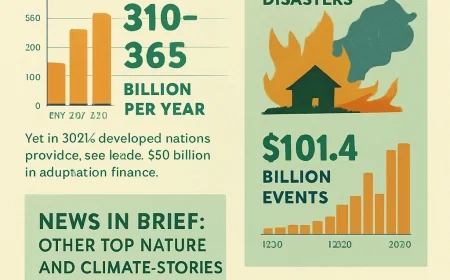
BRASILIA / BRUSSELS, Oct 29 — Brazil is calling for a new global push to fund climate adaptation efforts in developing nations, as a United Nations report warns that the world will need to spend $310 billion annually by 2035 to prepare for rising sea levels, extreme heat, and worsening weather disasters.
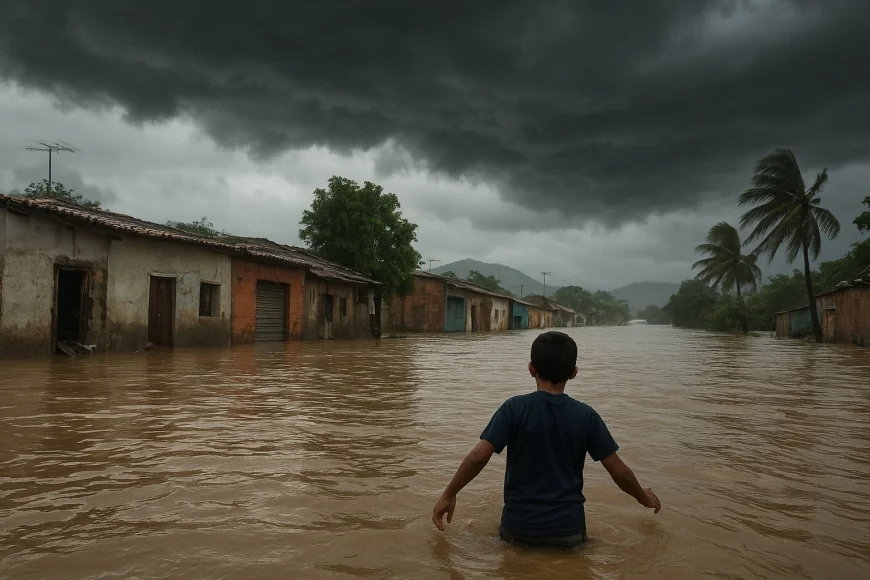
That figure is nearly 12 times the current global investment in adaptation, according to the UN Environment Programme’s Adaptation Gap Report, which highlights a widening gap between climate risks and financial support. Despite years of pledges at past COP summits, funding for adaptation continues to lag far behind investments in renewable energy and emissions reduction technologies.
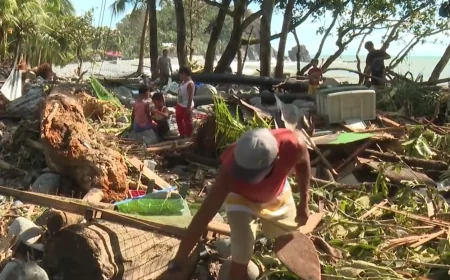
The report’s release coincided with the devastation caused by a Category 5 hurricane in Jamaica, underscoring the urgency of resilience efforts. Scientists say warming oceans are fueling more powerful storms with heavier rainfall and dangerous surges, intensifying the threat to vulnerable nations.
Brazil’s COP30 priorities
Speaking to Reuters in Brasília, André Corrêa do Lago, president of the upcoming COP30 climate summit, said Brazil aims to help developing nations secure greater access to adaptation funds.
“More than ever, the public, governments, and cities want resources for adaptation,” he said. “We hope to deliver a package of resources at COP30 — from rich countries, philanthropy, and especially multilateral development banks.”
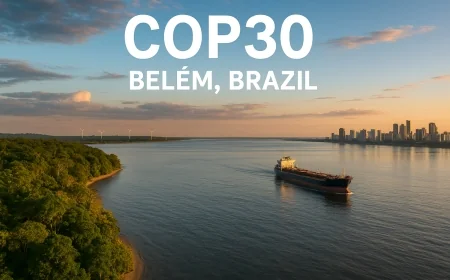
The COP30 conference, scheduled for November 10–21 in Belém, the gateway to the Amazon rainforest, will center on bridging the funding gap between developed and developing nations.
The UN report estimates that in 2023, only $26 billion in international public finance went toward adaptation in developing countries — a fraction of what’s needed to cope with the growing threats of climate change.
A call for real-world action
Earlier this week, philanthropist Bill Gates urged global leaders to shift their focus from long-term emissions targets toward practical investments that directly improve and protect lives in vulnerable regions.
With the United States, the world’s largest economy, now scaling back its climate commitments, Brazil hopes COP30 can renew public confidence that meaningful climate action remains possible.
“We must show that progress is being made,” Corrêa do Lago said. “People are beginning to think this agenda is losing ground. COP30 needs to prove that it’s not.”
He emphasized that countries should prioritize tangible financing guarantees and implementation plans rather than spending weeks negotiating symbolic communiqués.
Toward a new global roadmap
Climate finance remains one of the most divisive issues at UN climate summits. Last year’s COP29 deal in Baku, Azerbaijan, pledged $300 billion a year by 2035, but poorer nations denounced the agreement as grossly inadequate.
Now, Azerbaijan and Brazil are drafting a “Baku to Belém Roadmap” aimed at scaling total climate finance to $1.3 trillion annually, leveraging funds from private investors, development banks, and other sources.
The initiative will likely form the backbone of negotiations in Belém — a test of whether the world can match words with the scale of the crisis it faces.