





















































































































Experts warn of potential ripple effects from a bursting AI bubble
Concerns are mounting among top tech and financial figures, including OpenAI co-founder Sam Altman, Meta CEO Mark Zuckerberg, and Federal Reserve Chair Jerome Powell, about the possibility of an AI-driven economic bubble and its impact on the U.S. economy. While a sudden collapse could trigger a recession, economists note it is unlikely to spark a full-blown financial crisis like the one in 2008. Instead, they compare a potential downturn to the post-dot-com bubble slump of the early 2000s.

Historical studies suggest that many post-World War II equity bubbles did not lead to financial crises unless fueled by excessive borrowing. The Great Depression, for example, followed a debt-fueled stock market boom in the 1920s. Today, some economists warn that banks are funding private credit funds used to finance data-center construction in anticipation of AI growth. If the bubble bursts, defaults on these loans could stress the financial system.
Tech stock concentration and hedge fund risk
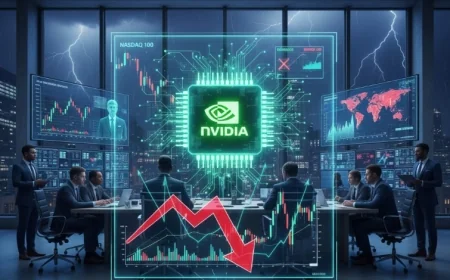
A major risk stems from the heavy concentration of AI-related investments in the “Magnificent Seven” tech stocks, including Amazon, Microsoft, and Nvidia. Their valuations are closely tied to AI performance, and any shortfall could trigger fire sales by highly leveraged hedge funds, forcing them to liquidate assets to meet margin calls. These sales could ripple through broker-dealers, primary dealers, and banks, potentially destabilizing multiple financial institutions.
The Federal Reserve reports that hedge fund leverage reached record levels in 2024, with outstanding margin loans and repurchase agreements at historically high levels. Bank lending to non-bank financial institutions (NBFIs) has also surged, with $1.7 trillion in loans—about 13% of total bank lending—exposed to hedge funds, broker-dealers, and primary dealers. This interconnectedness increases systemic risk if the AI market falters.
Potential impact on crypto and broader markets
The AI bubble’s collapse could also affect crypto markets. Cryptocurrencies, including Bitcoin and asset-backed stablecoins, are highly correlated with equities. If AI valuations decline, negative sentiment may spill into crypto, triggering a market-wide selloff. Stablecoin issuers might withdraw bank reserves, further stressing the banking system, and could even lead to pressure on Treasury markets.
While many experts expect the U.S. financial system to withstand an AI correction without triggering a full crisis, the extensive leverage and interconnected markets make the system vulnerable. The outcome could range from a controlled market adjustment to more severe financial stress, depending on how the bubble unwinds.
Ultimately, the AI bubble underscores the risks of concentrated technological hype and the potential for cascading impacts across both traditional and emerging financial markets.