
























































































































Xi Jinping pushes global AI governance at APEC, positions China as alternative to U.S. trade leadership
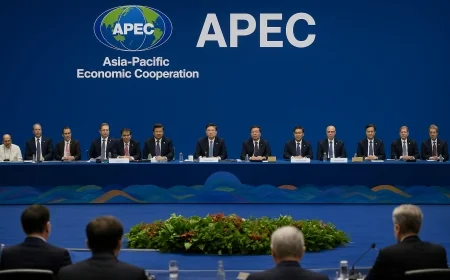
BEIJING, Nov 1 – Chinese President Xi Jinping took center stage at the Asia-Pacific Economic Cooperation (APEC) summit on Saturday, unveiling a proposal for a World Artificial Intelligence Cooperation Organization aimed at establishing global governance standards for AI and positioning China as a multilateral alternative to U.S.-led trade initiatives.
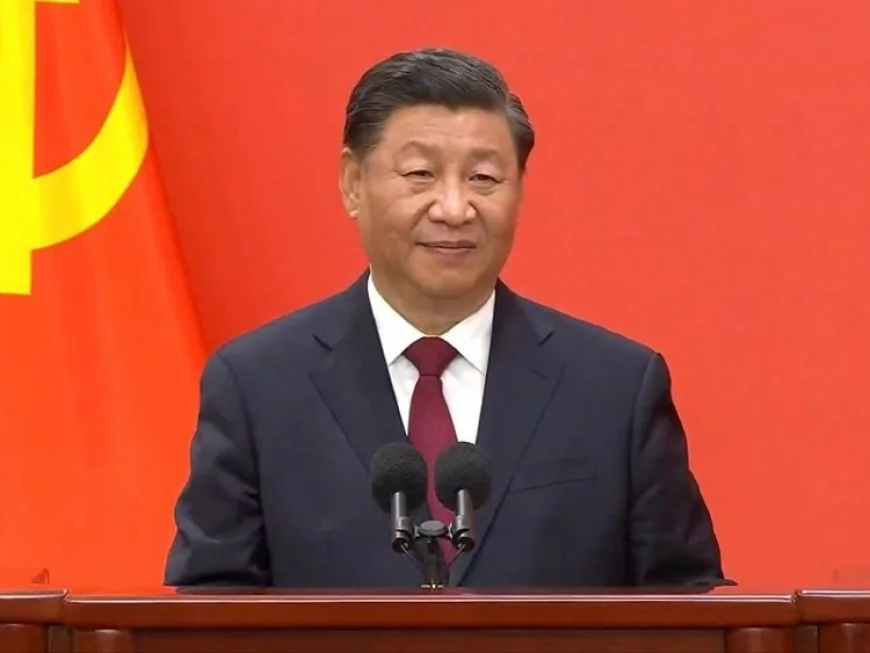
Xi’s remarks, the first public discussion of the initiative, emphasize that AI should be treated as a “public good for the international community.” Speaking to APEC leaders, he said, “Artificial intelligence is of great significance for future development and should be made for the benefit of people in all countries and regions.” Chinese officials have indicated that the proposed organization could be headquartered in Shanghai, the country’s commercial hub.
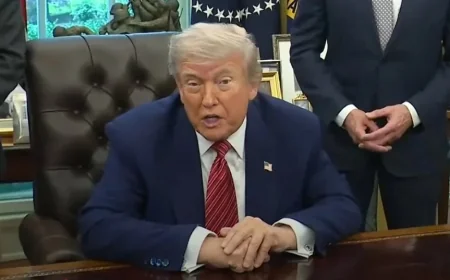
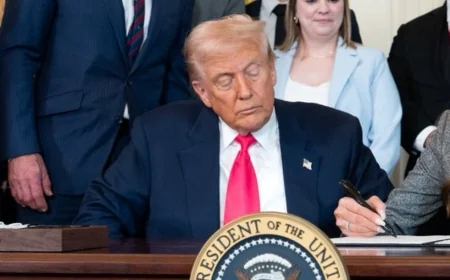
The announcement comes amid ongoing U.S.-China tensions over trade and technology. President Donald Trump did not attend the summit in Gyeongju, South Korea, returning to Washington immediately after his bilateral meeting with Xi. The two leaders reached a one-year agreement to partially roll back certain trade and technology controls, easing tensions between the world’s two largest economies.
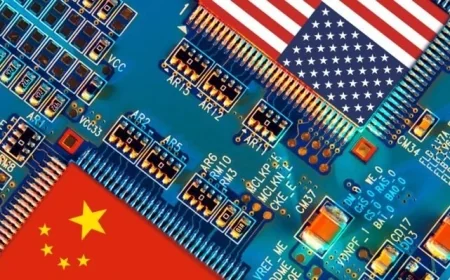
In Xi’s absence of U.S. attention, analysts expected him to use the APEC platform to promote China’s model of multilateral trade and economic cooperation. Highlighting domestic AI capabilities, Xi referenced China-based developer DeepSeek, which produces lower-cost AI models that support Beijing’s pursuit of “algorithmic sovereignty.” The initiative reflects China’s strategy to reduce reliance on advanced U.S. chips, such as those produced by California-based Nvidia, while fostering indigenous AI innovation.
Xi also called on APEC members to encourage the free circulation of green technologies, including solar panels, batteries, and electric vehicle components—industries where China maintains global leadership.
The summit concluded with a joint declaration and agreements addressing AI development and the challenges posed by aging populations. China will host the 2026 APEC summit in Shenzhen, a city of nearly 18 million that evolved from a fishing village into a leading special economic zone in the 1980s. Shenzhen remains a major hub for advanced manufacturing, including robotics and electric vehicles.
APEC, a consultative forum of 21 nations, represents roughly half of global trade and serves as a platform for economic dialogue, cooperation, and policy coordination among Asia-Pacific economies. Xi’s proposals signal Beijing’s ambition to shape AI governance and regional economic integration while positioning itself as a global leader in technology and sustainable development.