






















































































































Qatari diplomat urges urgent international force in Gaza to enable Israeli withdrawal
Gaza faces the risk of falling into a dangerous limbo, where a ceasefire exists on paper but violence continues, according to Majed al-Ansari, adviser to Qatar’s prime minister and spokesperson for the foreign ministry. Ansari stressed the urgent need to establish an international security force and Palestinian administration to pave the way for a full Israeli withdrawal.
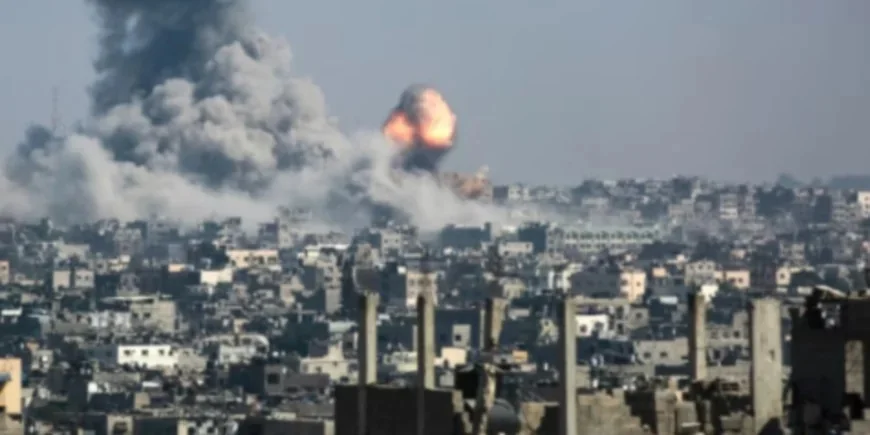
“We don’t want to reach a situation of no war, no peace,” Ansari said, warning that the fragile pause in fighting could collapse without swift international intervention.
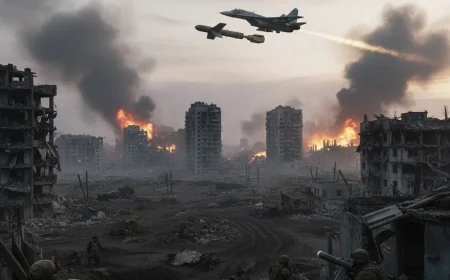
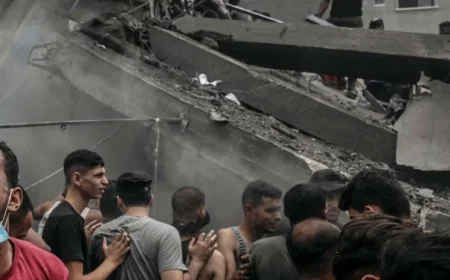
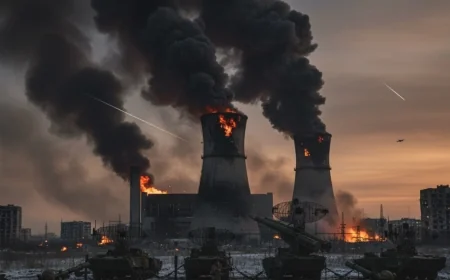
On Tuesday, Israeli airstrikes killed over 100 Palestinians, including at least 66 women and children, marking the deadliest day since former U.S. President Donald Trump declared the war over. Israel justified the bombings as retaliation for an attack in Rafah that killed a soldier during demolition operations.
The ceasefire agreement calls for an international force to secure Gaza, reduce short-term violence, demilitarize Hamas, and facilitate the complete withdrawal of Israeli forces, which still occupy over half of the territory. Ansari emphasized that implementing the force and a new local administration is critical for transforming the ceasefire into lasting peace.
“There is a need for the international community to go in, assess the damage, start thinking about reconstruction, and formally keep the peace,” he told the Guardian. “This will significantly shift the whole process from war to the day after.”
However, the 20-point plan underpinning the ceasefire leaves key details, such as the mandate and composition of the international force, unresolved. Qatar and its regional partners advocate for UN backing, a proposal U.S. Secretary of State Marco Rubio said Washington is considering. Ansari added that while countries have expressed willingness to participate, a concrete Security Council mandate is necessary to operationalize the force.
Negotiating international missions is complex and time-consuming, but Gaza may not have the luxury of delay. Daily accusations of ceasefire violations threaten the fragile pause. Ansari highlighted the logistical and humanitarian challenges, including identifying the remains of hostages killed during the conflict. Eleven hostages’ bodies remain in Gaza, following the recent return of Amiram Cooper and Sahar Baruch.
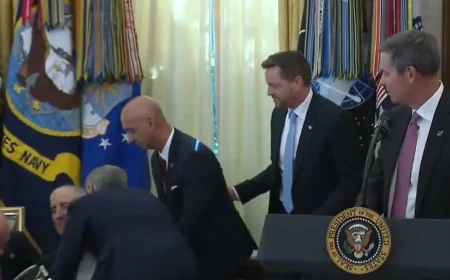
U.S. involvement remains crucial to maintaining the ceasefire. Senior envoys, including Jared Kushner and Vice President JD Vance, are en route to Israel, underscoring Washington’s role in mediating the agreement. “The only thing that has always tipped the scales in favor of the ceasefire was U.S. engagement,” Ansari said, noting that prior agreements relied heavily on American diplomatic support.
Trump’s ceasefire deal, long in negotiation, had previously stalled in April 2024 when Israeli Prime Minister Benjamin Netanyahu withdrew to protect his coalition, which included far-right factions opposed to ending the war.
Ansari described the intense pressure on Qatari negotiators since October 7, with staff enduring minimal rest and some requiring hospitalization due to the demanding pace. In September, Israeli missile strikes targeted a Hamas meeting in Doha, killing a Qatari citizen and five Hamas members, which Qatar interpreted as an attempt to disrupt its role as a trusted mediator. Despite this, Doha continued its diplomatic efforts, including mediating between Colombian factions and securing hostage releases from Taliban custody.
Qatar’s diplomacy led to a 20-point ceasefire plan focusing on ending hostilities, preventing annexation, and avoiding displacement of Palestinians. Yet, even with U.S. backing, transforming the ceasefire into a durable reality—and ensuring Palestinian self-rule—remains fraught with challenges, as Netanyahu’s government consistently opposes significant sovereignty concessions.