








































































































Microsoft’s UAE deal marks new era in global AI alliances with U.S.-approved Nvidia chip exports
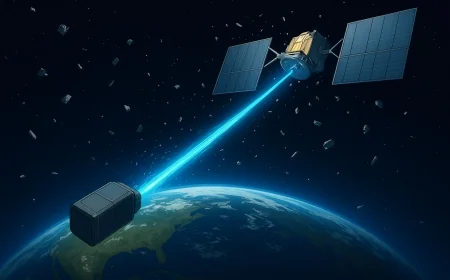
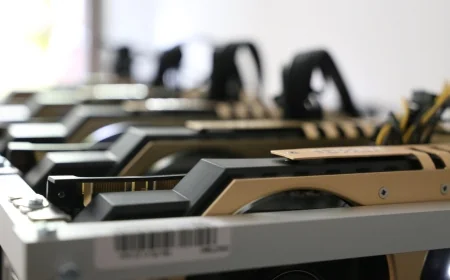
Abu Dhabi — Microsoft has announced a landmark U.S.-approved agreement to supply more than 60,000 Nvidia GB300 Grace Blackwell AI chips to the United Arab Emirates (UAE), a move set to reshape global technology alliances and redefine the geopolitics of artificial intelligence.
Approved by the U.S. Commerce Department under strict security conditions, the shipments mark a significant milestone in Washington’s efforts to balance technological cooperation with national security. Microsoft emphasized that the export licenses, granted in September 2025, required “stringent safeguards” covering cybersecurity, physical security, and data protection to ensure the chips remain under its control.
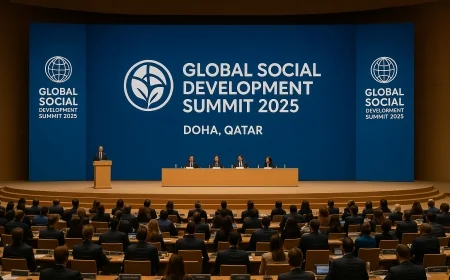
Microsoft President Brad Smith said during a press event in Abu Dhabi, “We had to satisfy very strict conditions about the cybersecurity, the physical security, the other security protection of these chips to ensure that they stay under our control. They’re not just acts of faith.”
The chips will be deployed in UAE-based data centers to power advanced AI models from OpenAI, Anthropic, and Microsoft, as well as open-source developers. This addition nearly triples the UAE’s current stock of advanced Nvidia GPUs and supports the country’s goal of becoming a regional AI hub.
The deal forms part of Microsoft’s broader $15.2 billion investment in UAE technology infrastructure, including $7.3 billion spent since 2023 and a further $7.9 billion planned through 2029. The funding will expand AI and cloud infrastructure, workforce training, and governance programs, reflecting Microsoft’s stated goal to integrate “technology, talent, and trust” into its international AI initiatives.
The company’s growing footprint in the UAE also includes its $1.5 billion investment in G42, an Abu Dhabi-based AI and cloud company, earlier in 2024. That deal made Microsoft a major stakeholder in G42, with Smith joining its board. G42 already operates more than 21,500 Nvidia-equivalent A100 chips, with plans to add over 60,000 new units, including the latest GB300 series.
Analysts say Washington’s approval reflects strategic interests beyond technology. The UAE has pledged to invest $1.4 trillion in U.S. energy and AI-related projects, reinforcing ties between the two nations at a time when Chinese technology companies are seeking to expand their regional influence.
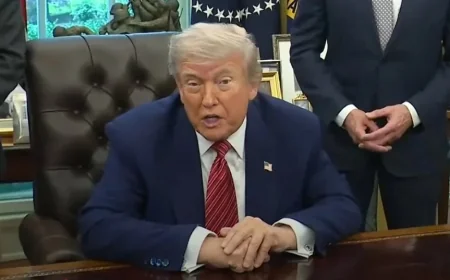
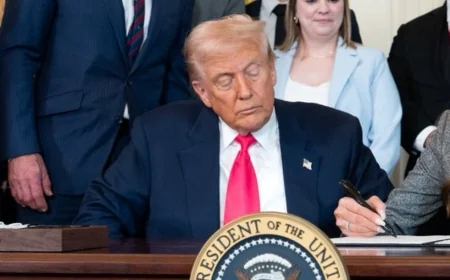
The export licenses follow a May 2025 agreement between U.S. President Donald Trump and UAE President Sheikh Mohamed bin Zayed, which revived plans for an AI data center campus in Abu Dhabi. The project had previously stalled under earlier export restrictions but is now moving forward under the new U.S.-approved framework.
Although President Trump has publicly stated that “the most advanced Nvidia chips” would not be exported outside the United States, the Commerce Department’s approval for this specific deal — under stringent safeguards — clarifies that exceptions can be made for trusted partners.
Microsoft’s operations in the UAE are guided by its Responsible AI Future Foundation and an intergovernmental assurance framework to ensure compliance with U.S. cybersecurity and data protection standards. Smith emphasized that Microsoft’s strategy aims to distribute AI resources equitably, warning that global inequalities could deepen if emerging economies are left behind.
“By boosting AI computing power in the UAE, Microsoft hopes to support broader international access to AI capabilities,” Smith said. “Without deliberate investment in emerging regions, access to transformative technologies could remain limited to a few countries.”
The UAE, for its part, views the deal as central to its long-term strategy of economic diversification and digital innovation. The collaboration complements the upcoming OpenAI Stargate data center project, the first of its kind outside the United States, solidifying the UAE’s role as a leader in the global AI ecosystem.
For Nvidia, the announcement sparked a 3% stock increase, while Microsoft’s shares also rose slightly as investors reacted positively to its expanding role in global AI infrastructure.
This deal, merging advanced U.S. AI technology with Middle Eastern ambition, symbolizes more than a trade transaction — it is a statement about how artificial intelligence is redrawing the world’s economic and geopolitical map. With security assurances in place and billions in investment underway, Microsoft’s partnership with the UAE may serve as a template for future cross-border AI collaboration.