












































































































ECHR rules against Estonia: Total prison smoking ban violates fundamental rights
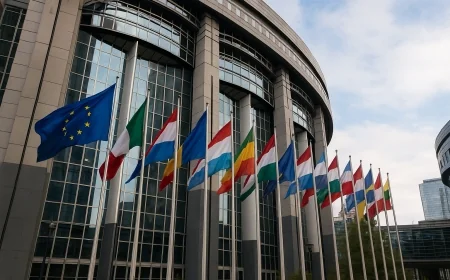
The European Court of Human Rights (ECHR) ruled on Tuesday that Estonia violated the European Convention on Human Rights by implementing a total ban on smoking in its prisons. Judges determined that the measure unjustifiably restricted inmates’ right to private life and freedom of personal choice, even under conditions of incarceration.

According to the ruling, the ECHR found, by four votes to three, a violation of Article 8 of the Convention, which guarantees respect for private and family life. “It is inconceivable that a prisoner should lose rights guaranteed by the Convention simply because they have been convicted. Freedom to make personal choices—such as smoking—is all the more valuable in an environment of restricted autonomy,” the judges stated.
The court criticized Estonian authorities for introducing the ban in 2017 without a prior assessment of its psychological and social impact. The ECHR noted that Estonia exceeded its regulatory discretion, failing to provide “relevant and sufficient” reasons to justify an absolute ban.
The case was brought to the court by three prisoners who reported severe effects on their health and emotional well-being, including insomnia, depression, and anxiety, due to withdrawal caused by the smoking ban. Each claimant was awarded €1,500 for legal costs. The court clarified that its decision does not oblige states to allow smoking but emphasizes proportionality and proper justification in restrictive measures.
This ruling could have broader implications across Europe, as other Council of Europe member states have implemented similar prison smoking bans. The ECHR underscored that human rights are not suspended behind bars and that prisoners’ personal autonomy must be protected even under incarceration.
The decision is final and could be cited in similar cases in other European countries.