





























































































Wars on women intensify as global conflicts hit record levels
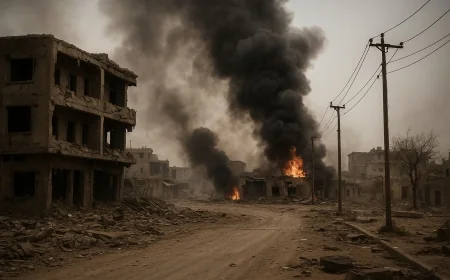
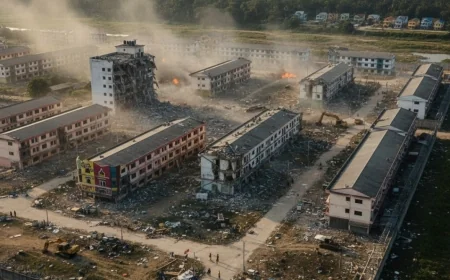
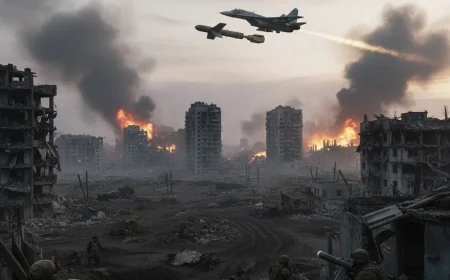
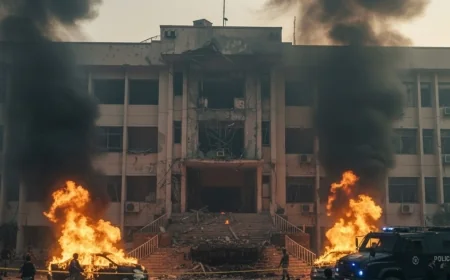
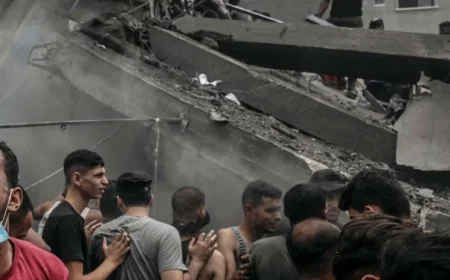
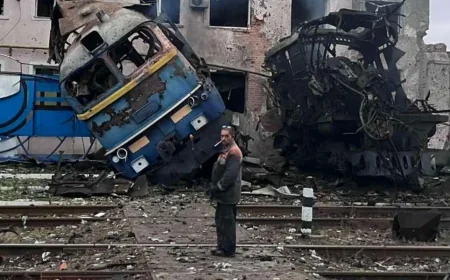
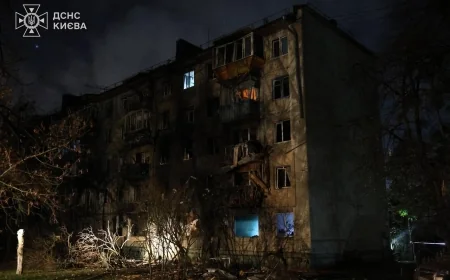
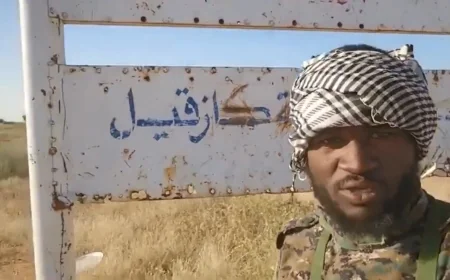
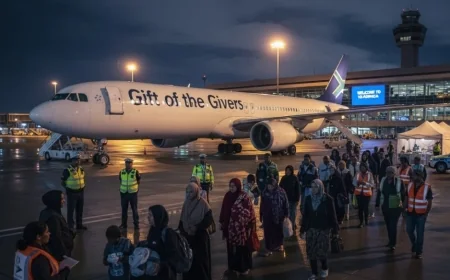
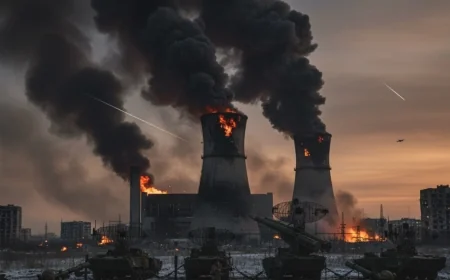
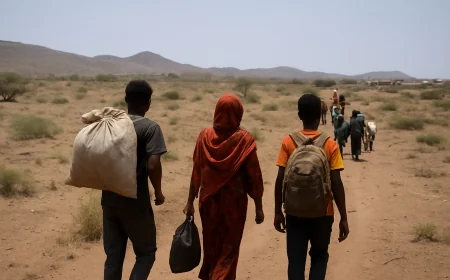
New York, 20 October – The world is witnessing the highest number of active armed conflicts since the aftermath of World War II, with women and girls bearing a devastating share of the consequences, according to the 2025 UN Secretary-General’s report on Women, Peace and Security.
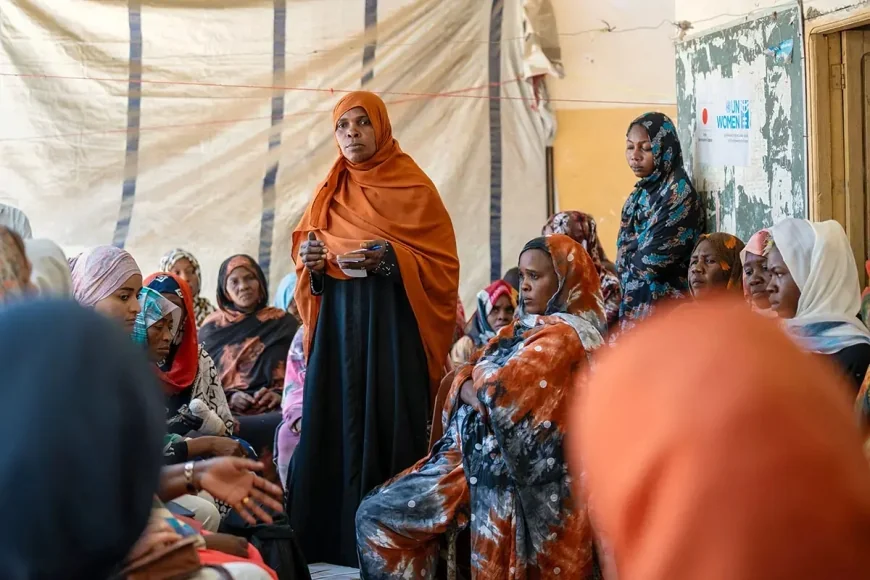
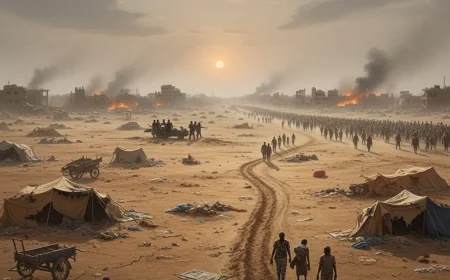
The report reveals that 676 million women now live within 50 kilometers of active conflict, the highest figure since the 1990s. Civilian casualties among women and children have quadrupled compared with the previous two-year period, while conflict-related sexual violence has surged by 87 percent.
Released on the 25th anniversary of UN Security Council Resolution 1325, which pledged to ensure women’s full participation and protection in peace and security, the report warns that much of the progress achieved over the past two decades is rapidly eroding.
“Women and girls are being killed in record numbers, shut out of peace tables, and left unprotected as wars multiply,” said Sima Bahous, UN Under-Secretary-General and Executive Director of UN Women. “Women do not need more promises — they need power, protection, and equal participation.”
Women still excluded from peace and decision-making
Despite extensive evidence that women’s involvement leads to more durable peace, their participation in peace processes remains negligible. In 2024, nine out of ten peace negotiations included no women negotiators, and women accounted for just 7 percent of negotiators and 14 percent of mediators worldwide.
Although more countries have adopted national action plans to implement Resolution 1325, these commitments often fail to translate into real change for women on the ground.
Funding gaps undermine women’s protection
The report highlights a stark disparity in global priorities: while military spending reached a record USD 2.7 trillion in 2024, women’s organizations in conflict zones received a mere 0.4 percent of total aid. Many of these frontline groups are now on the brink of closure due to severe funding shortages.
“These are not isolated data points,” Bahous warned. “They are symptoms of a world choosing to invest in war instead of peace — and continuing to exclude women from shaping solutions.”
Call for a gender data revolution
The UN report calls for urgent improvements in gender-disaggregated data, emphasizing that without accurate data, women’s experiences in war zones remain invisible and unaccounted for. Strengthening accountability and ensuring that women’s realities are reflected in policymaking are essential to reversing current trends.
Bahous urged the international community to deliver “concrete, measurable results”, including:
-
Inclusive political solutions to conflicts,
-
Greater leadership roles for women in security reform and recovery, and
-
Stronger accountability for violations, including justice and reparations for survivors of sexual and gender-based violence.
About the report
The UN Secretary-General’s report on Women, Peace and Security is published annually in conjunction with the UN Security Council’s Open Debate on Resolution 1325. It assesses global progress and challenges in implementing the resolution’s commitments to safeguard women and ensure their full participation in peacebuilding efforts.
About UN Women
UN Women is the United Nations entity dedicated to advancing gender equality and empowering women worldwide. The organization works to reform laws and institutions, transform social norms, and strengthen services to close the gender gap. Its mission places women’s rights and voices at the center of global progress — “always and everywhere,” as the agency notes — because achieving gender equality is not only its mandate, but its identity.